Marine
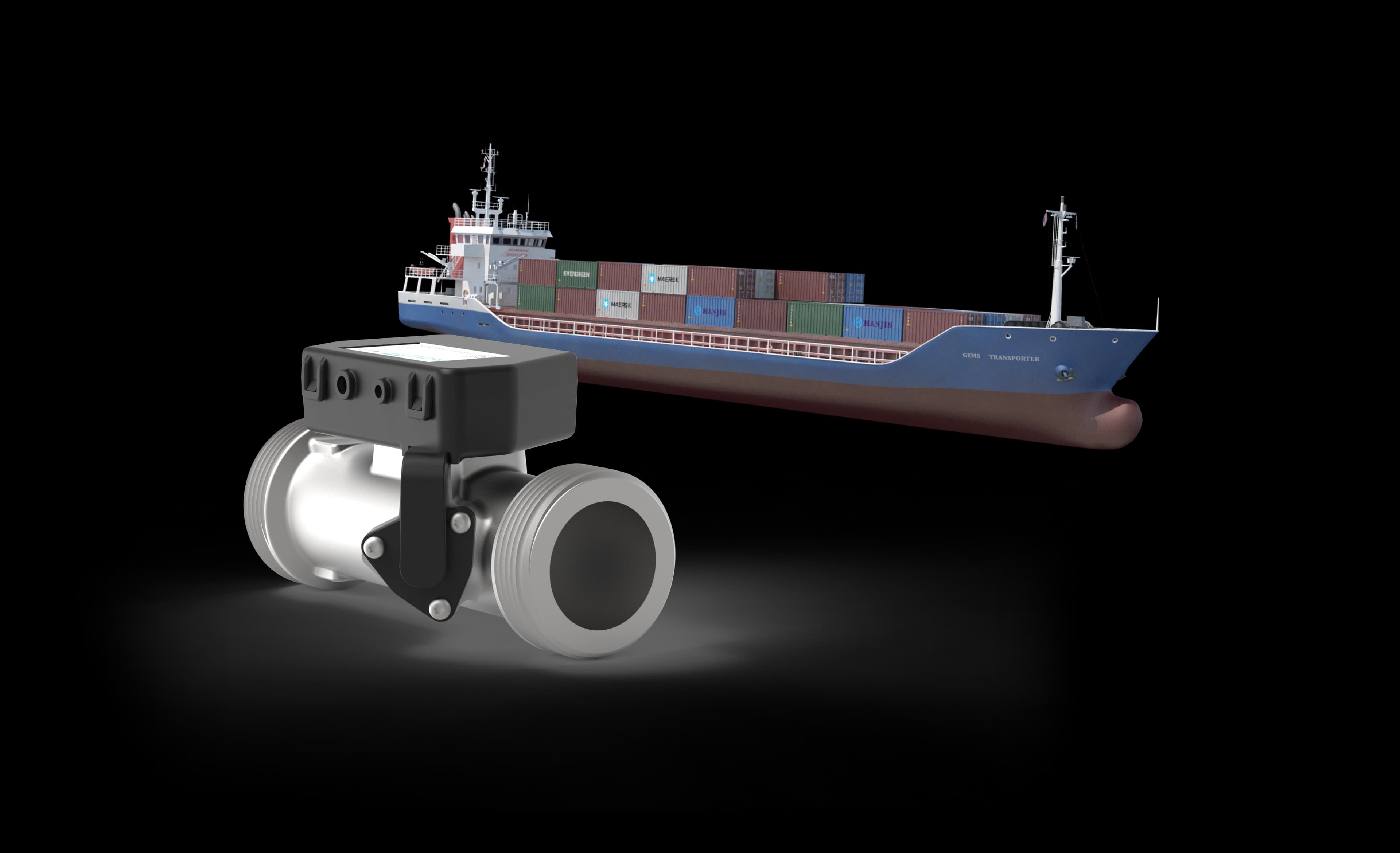
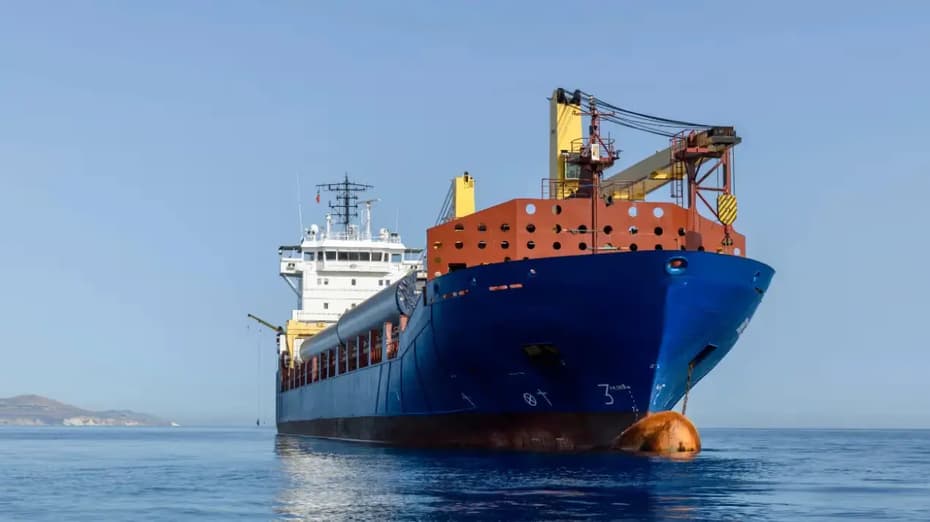
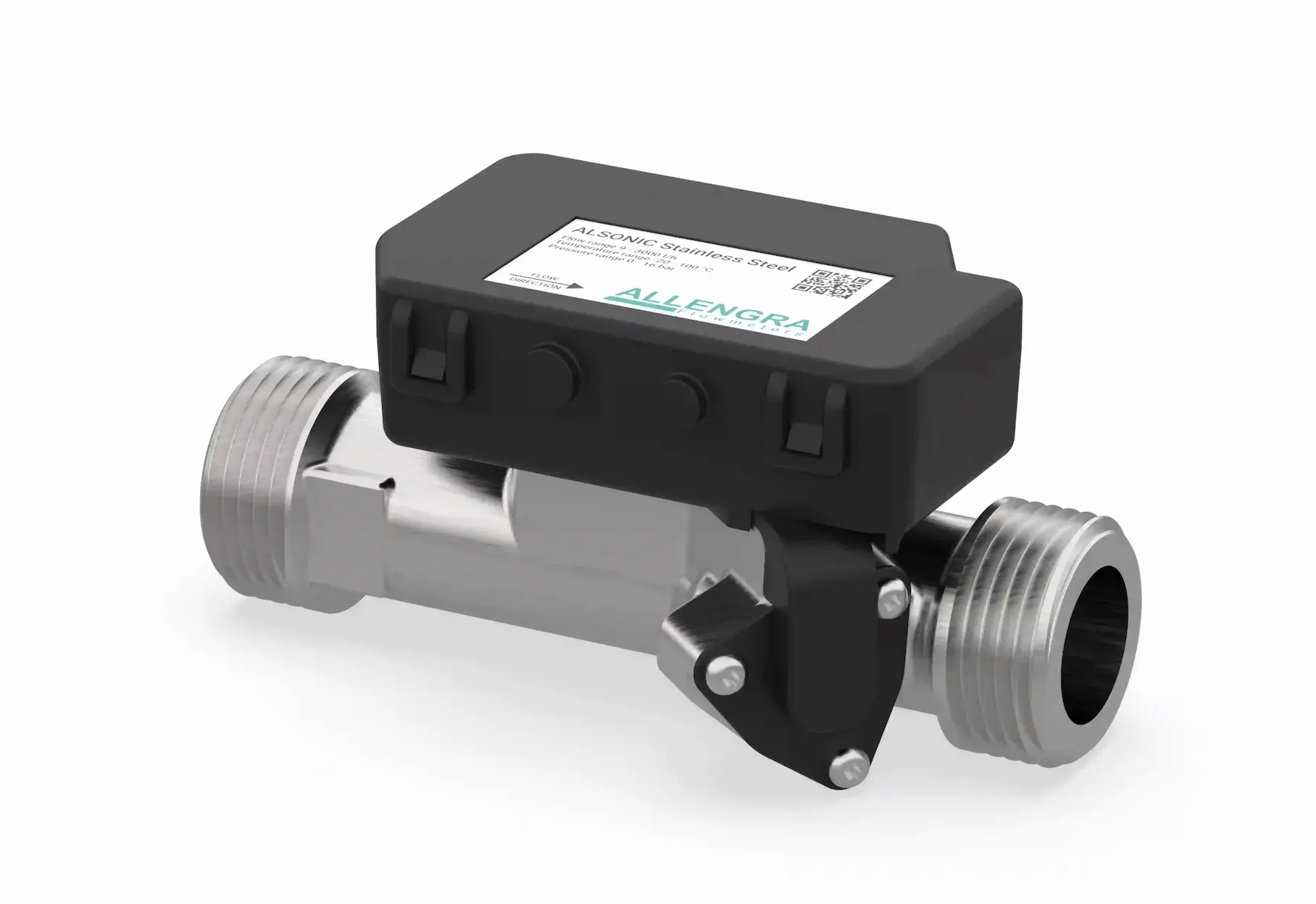
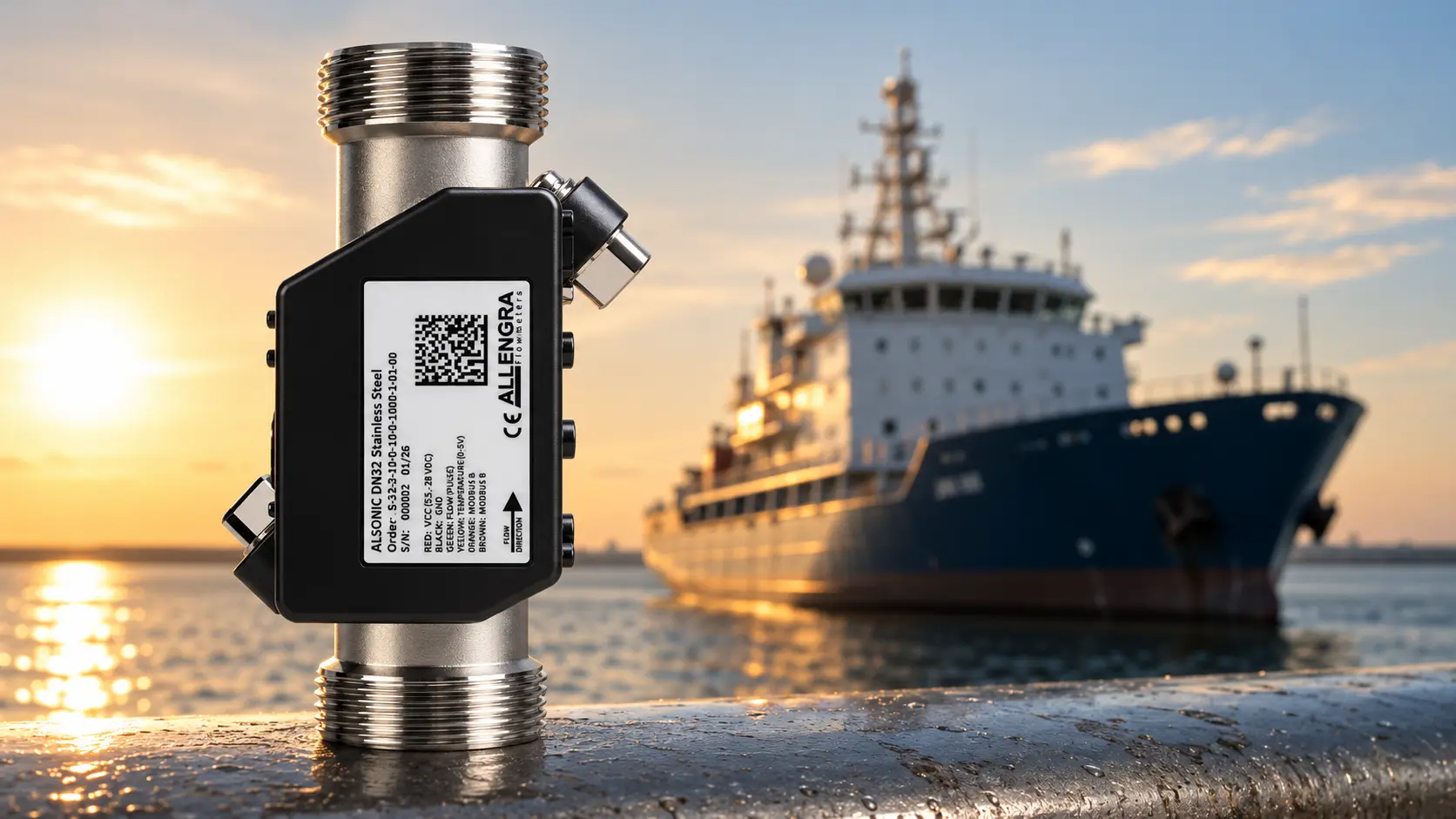
When it comes to maritime operations, precision is a necessity. From engine efficiency to regulatory compliance, knowing exactly how fluids move through your ship is crucial. Ultrasonic flow meters have already proven to be practical in Marine operations. Unlike traditional mechanical meters, they have no moving parts in contact with the fluid, meaning less maintenance, less wear, and a longer service life.
APPLICATIONS

Fuel Quality and Contamination Detection
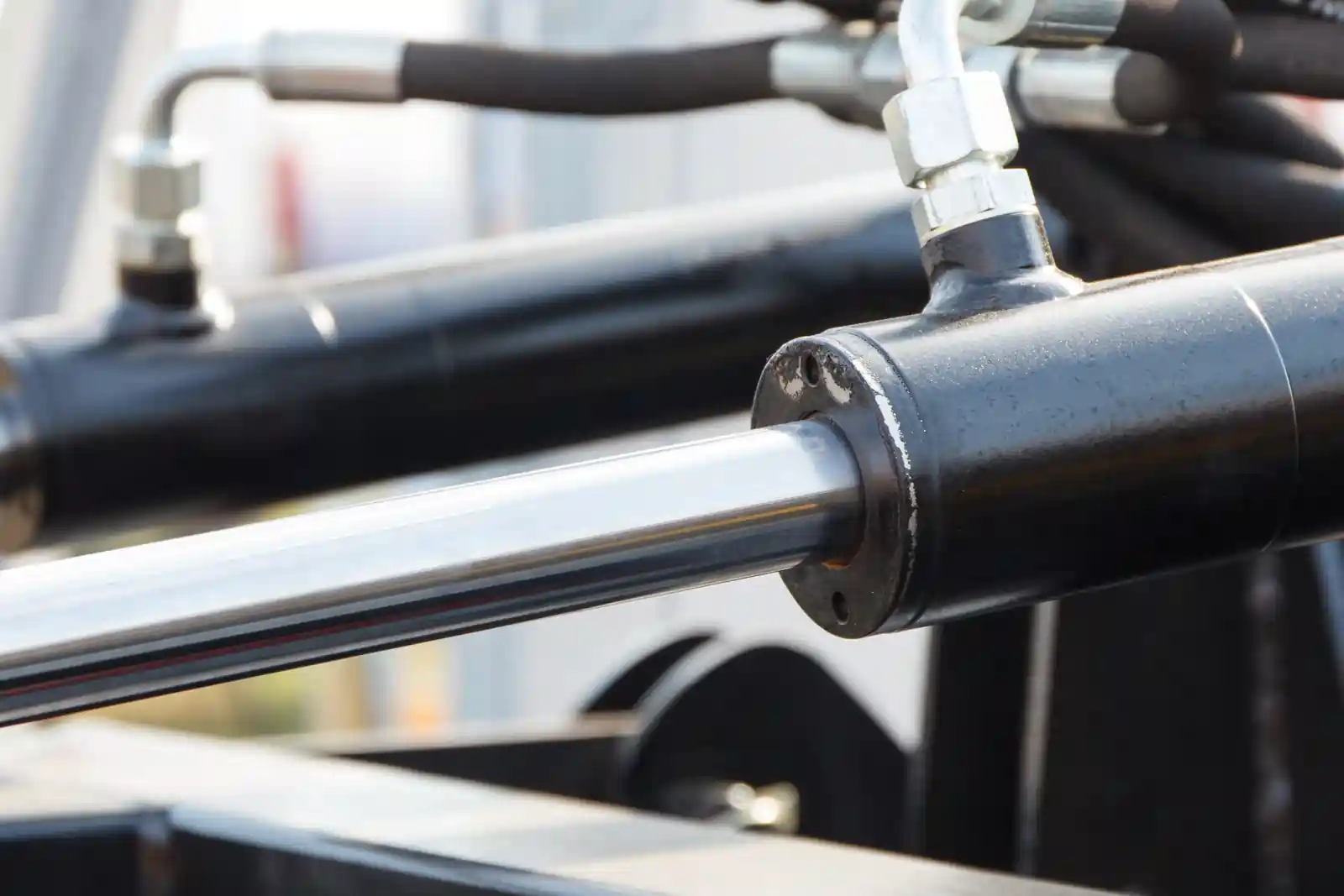
Hydraulic System Monitoring
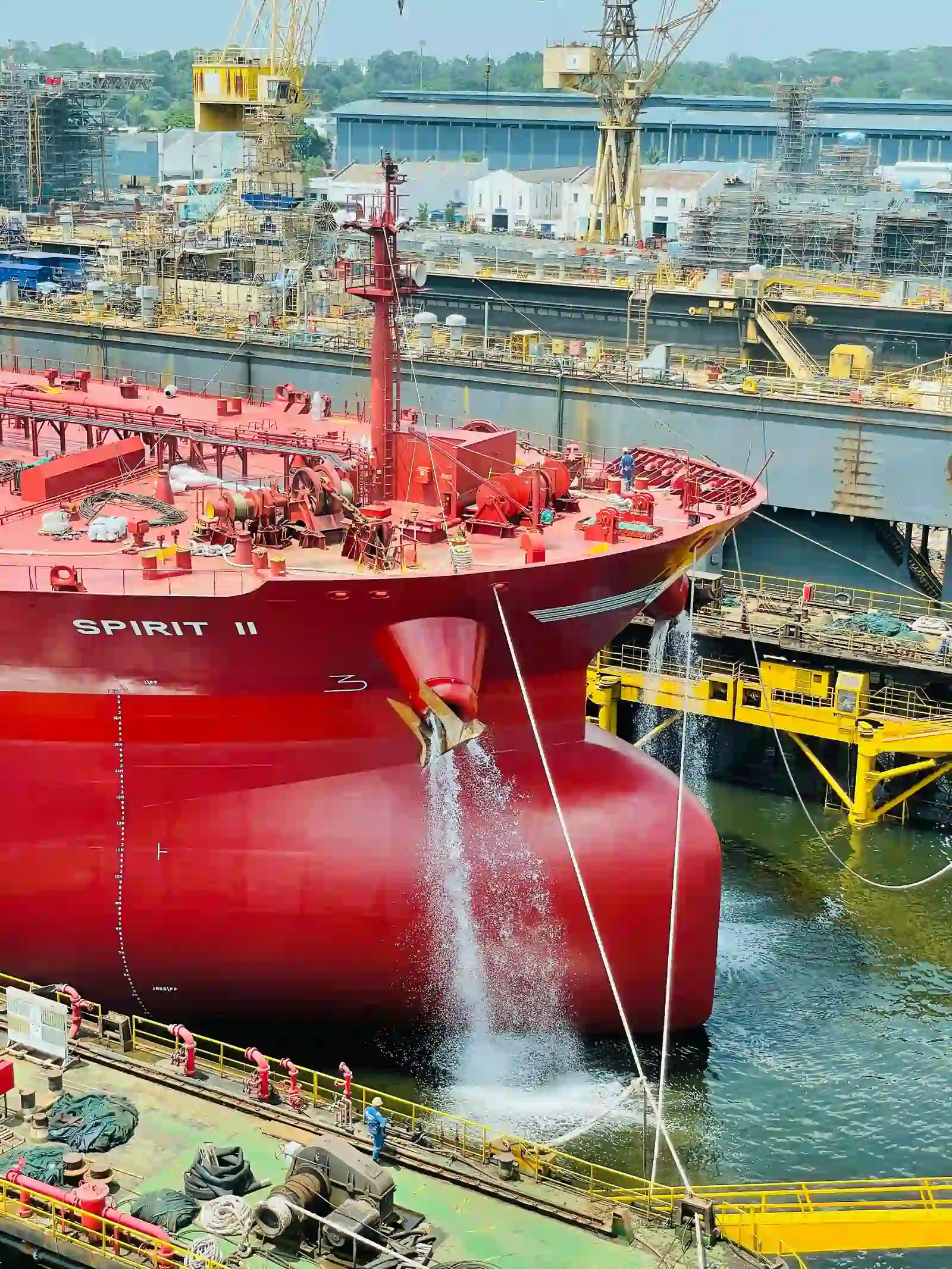
Ballast Water Monitoring
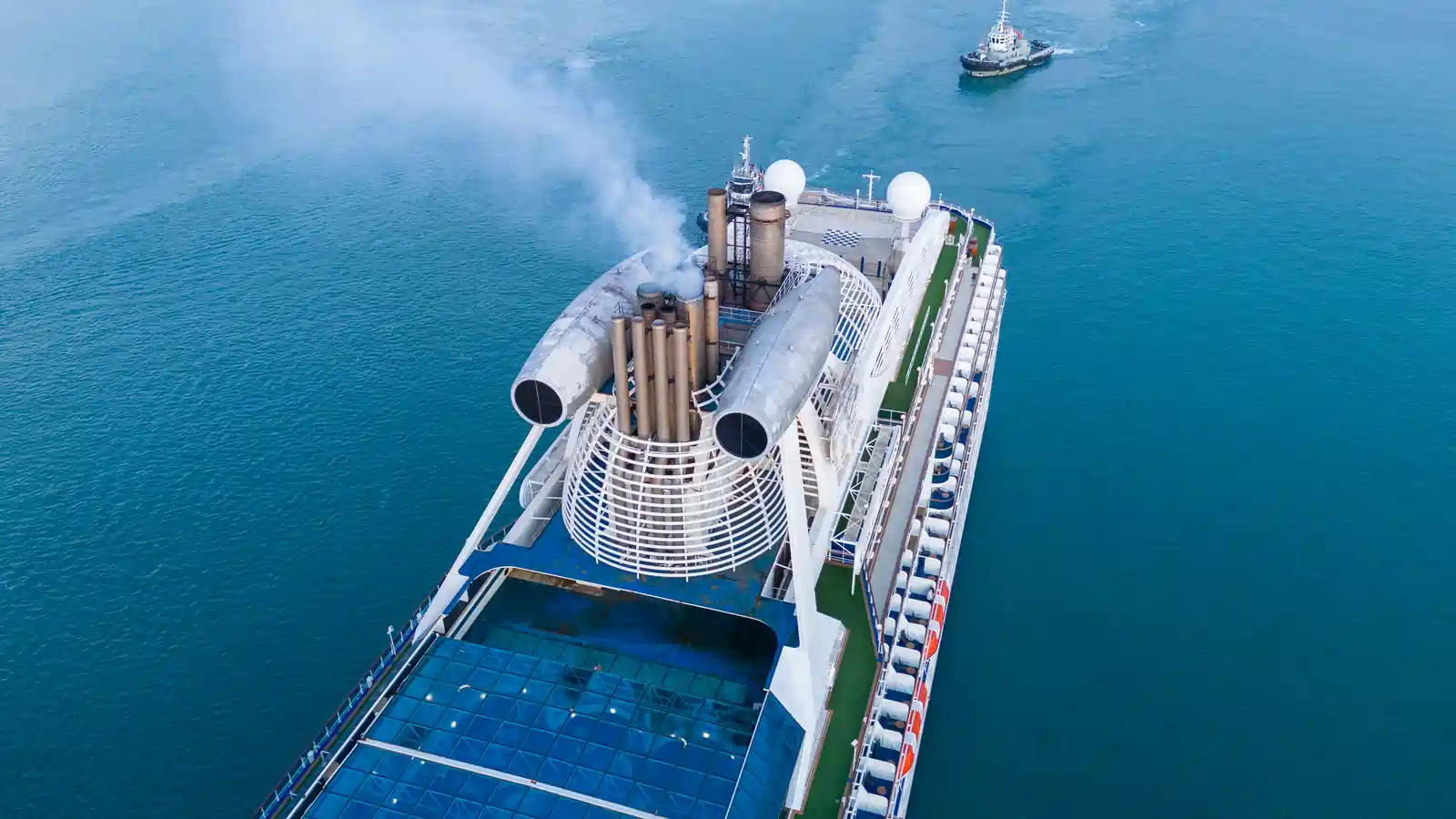
Engine Cooling
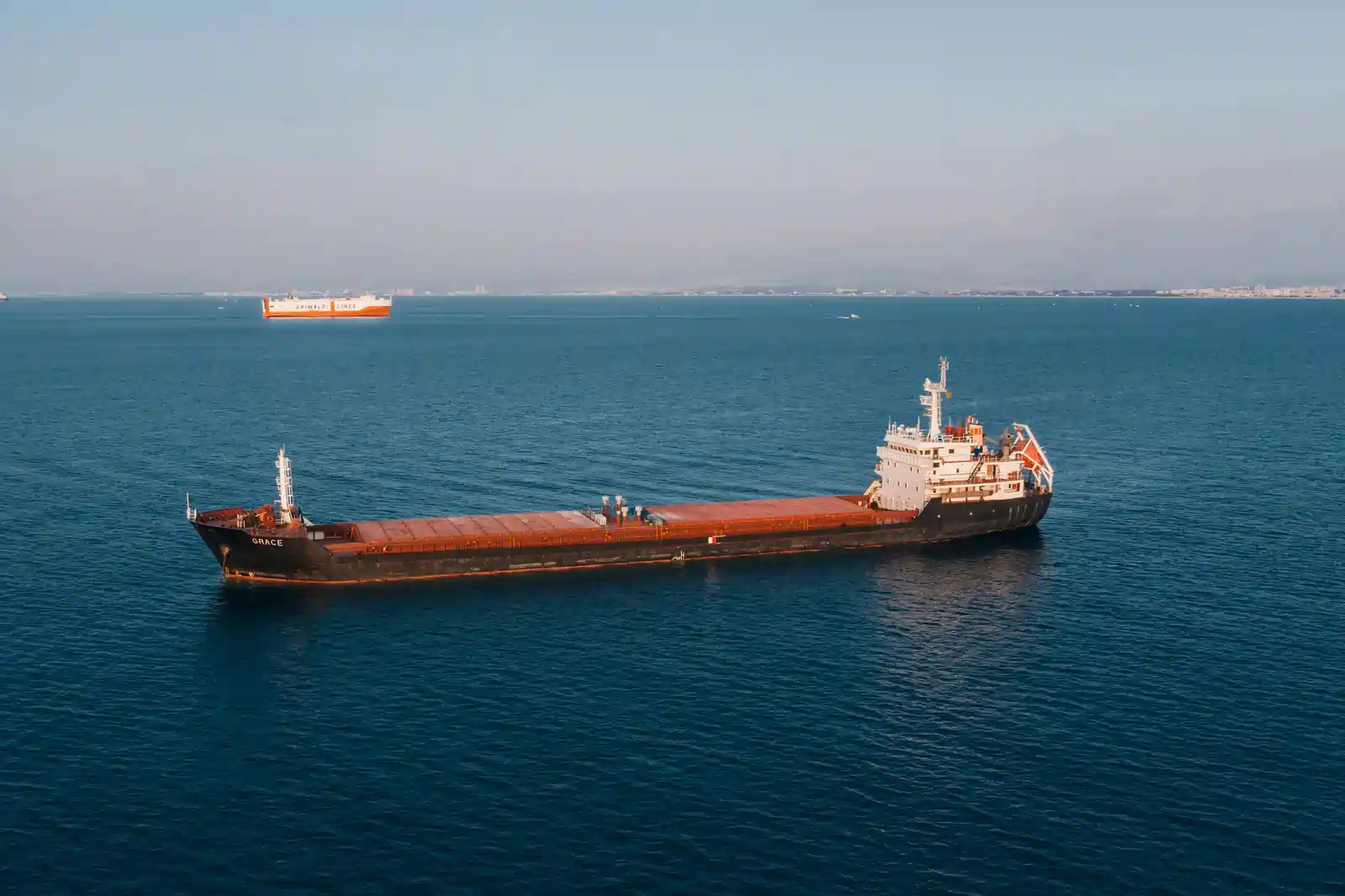
Fuel Consumption
Drinking Water Production and Distribution
Fuel Consumption
Accurately measuring fuel consumption
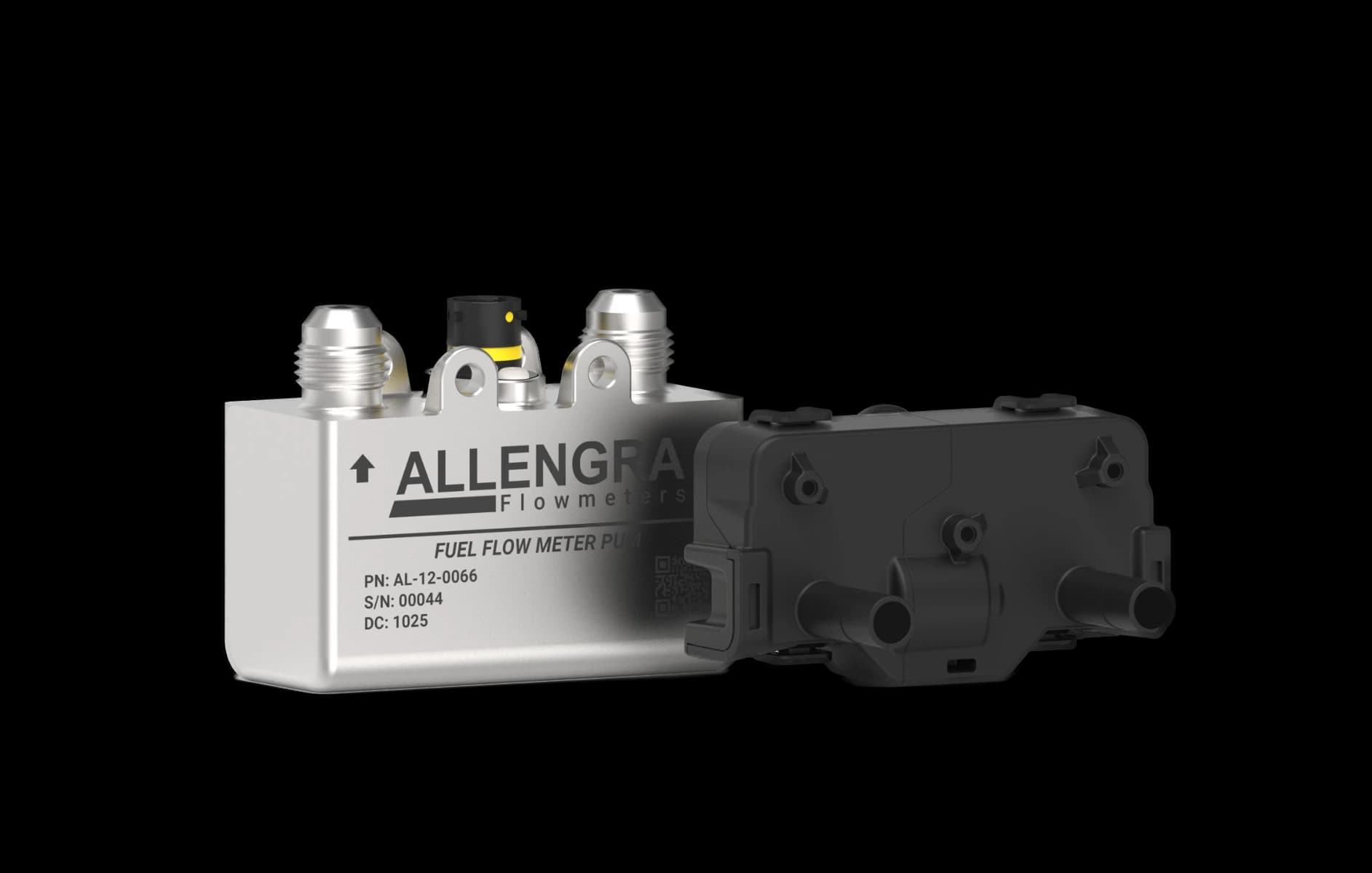
Fuel is one of the highest operating costs for any vessel. Knowing exactly how much fuel is being consumed in real time and over time is fundamental to managing that cost. Ultrasonic flow meters installed on the fuel supply line provide live consumption data, visible to the crew and integrated into the vessel's management system. This allows the crew to monitor consumption per voyage leg, per engine, or per speed setting, and to react immediately if consumption figures deviate from expected levels.
For engines equipped with a return line
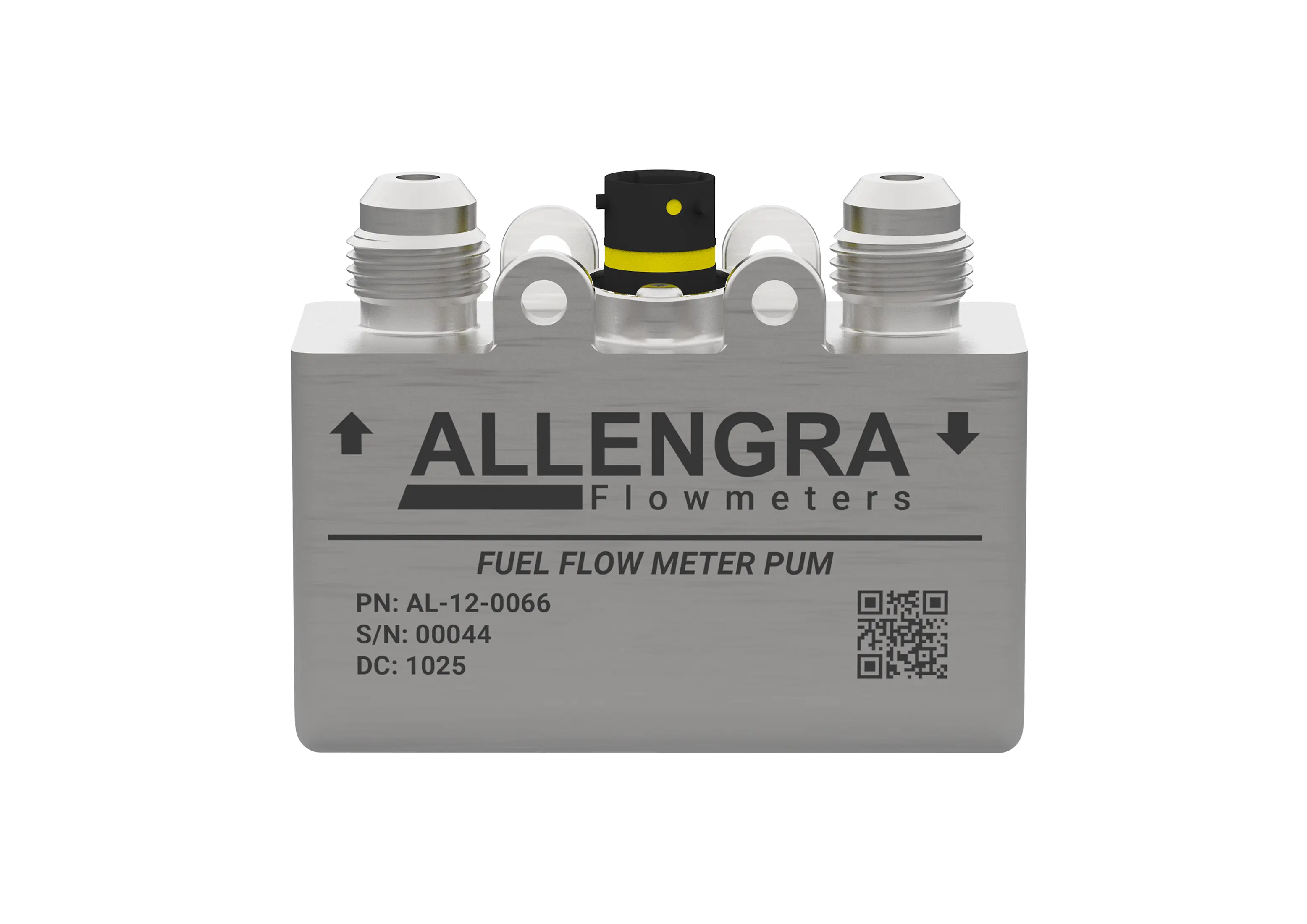
A differential measurement setup can be monitored using two flow meters, one on the supply line and one on the return line, or only one differential fuel flow meter mounted on both lines. The actual consumption is calculated as the difference between the two readings, giving an accurate net figure regardless of how much fuel is circulating through the system.

Fuel Quality
Fuel Quality and Contamination Detection
The speed of sound in a fluid is directly related to its physical properties. Ultrasonic flow meters measure this value continuously. When the speed of sound reading deviates from the expected value for the fuel type in use, it is a reliable indicator that the fuel composition has changed. This can happen when fuel is contaminated with water or adulterated at bunkering.
This feature requires no additional sensors or sampling equipment. The information is already present in the measurement data the meter is producing, making it a zero-cost addition to any fuel monitoring setup.

Engine cooling
Engine cooling water measurement
Ultrasonic flow meters installed on the cooling circuit monitor flow rate continuously. If the flow drops due to a pump issue, a blockage, or a leak, the system can raise an alarm before the engine temperature reaches a critical level. This is particularly valuable in unmanned engine rooms where there is no crew present to catch early warning signs through observation alone.
Additionally, the capability to measure glycol concentration means that the antifreeze protection level of the cooling mixture can be verified without draining the system or taking manual samples. The meter derives this from the speed of sound in the fluid, which varies predictably with glycol concentration. This reduces the maintenance workload and eliminates the risk of errors from manual testing procedures.
Water Monitoring
Drinking Water Production and Distribution
Measuring the output of reverse osmosis systems that produce freshwater from seawater is important both for operational planning and for ensuring that the volume of water produced meets demand. Allengra’s flow meters feature a hygienic design, which is well-suited for this application. They can be installed on the output side of the freshwater production unit to meter the volume of water generated, and on the distribution lines to monitor consumption across different areas of the vessel.
Because these meters have no moving parts in contact with the water, there is no risk of contamination from wear particles or lubricants.
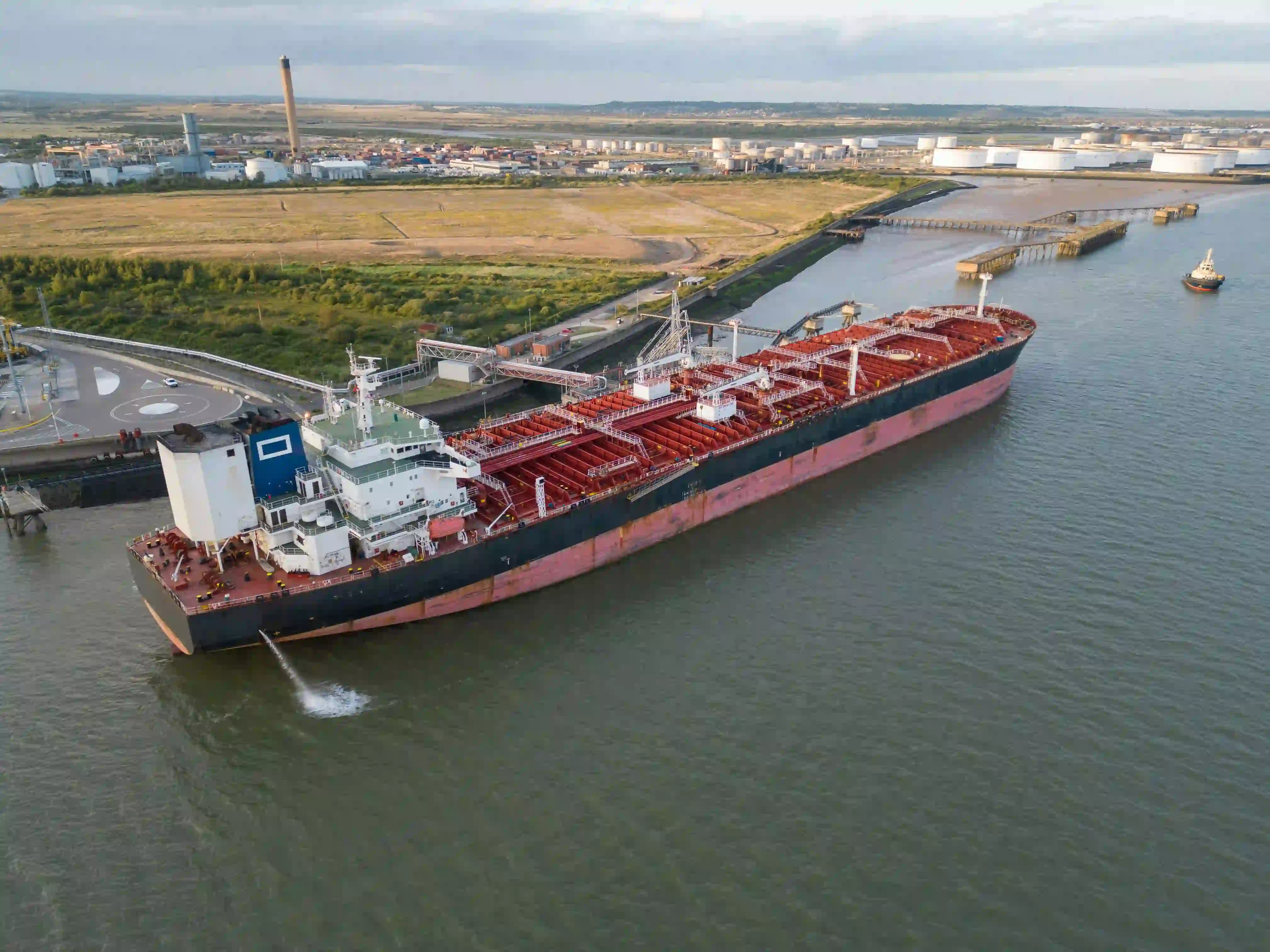
Ballast water monitoring
Ballast Lines Monitoring
Flow meters installed on the ballast lines provide accurate volume records for each ballast exchange or treatment cycle. This data is essential for demonstrating regulatory compliance during port state control inspections, where vessels are expected to present documented evidence of ballast water management operations. Beyond compliance, knowing the exact volumes moved during each operation helps optimize the ballasting process, reducing the time spent at anchor or in port adjusting trim.
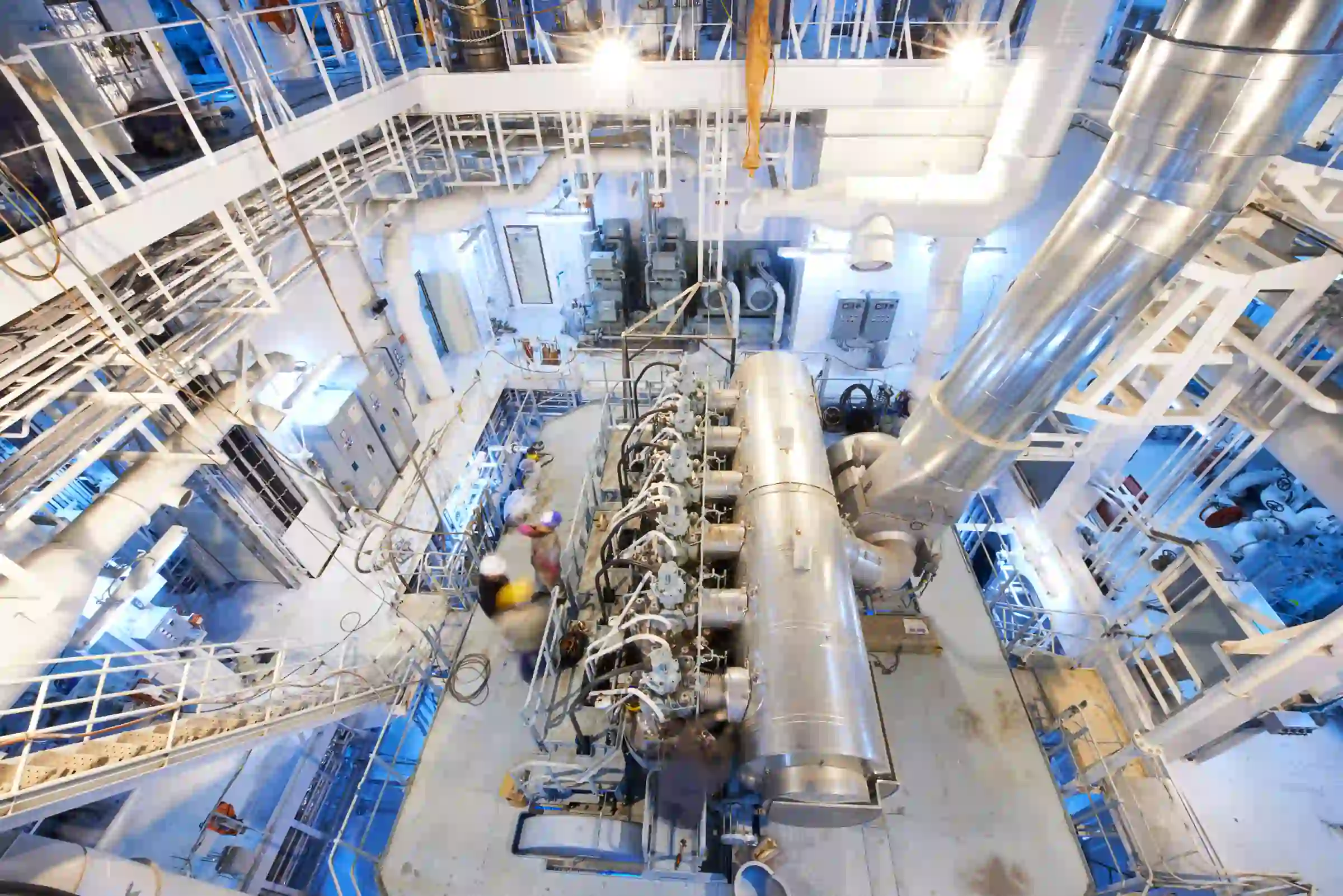
Hydraulic System Monitoring
Hydraulic System Leakage Detection
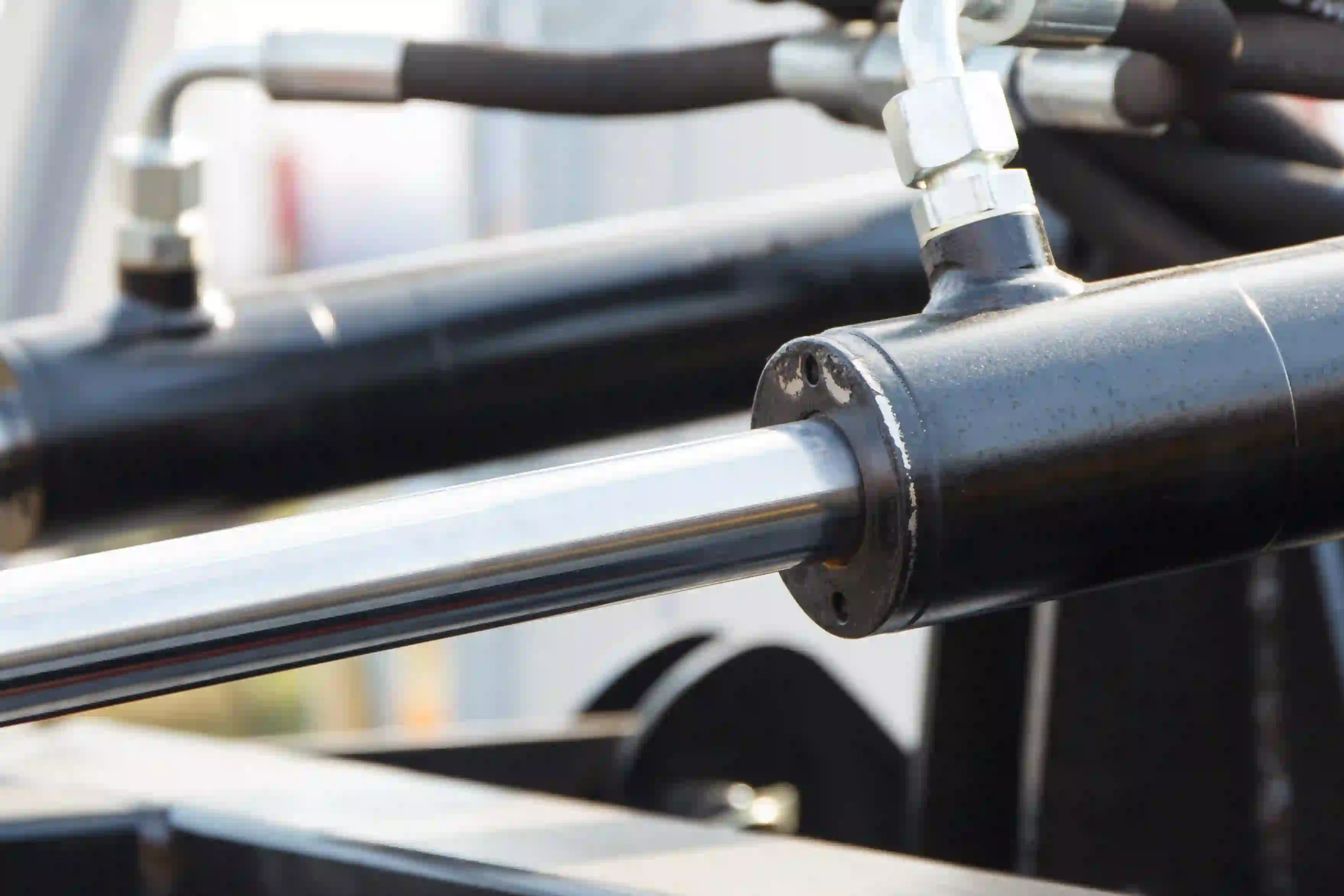
A flow meter installed on the pressure side and another on the return side of a hydraulic circuit can identify internal leakage by comparing the two readings. If more fluid is leaving the pump than is returning through the actuators in a consistent way, fluid is bypassing internally rather than doing useful work. This is an early and reliable indicator of component wear that would otherwise only become apparent when the system starts to operate sluggishly or fails to hold position under load.
Detecting these issues early means components can be replaced during a planned stop rather than in response to an emergency breakdown, which has a direct impact on vessel availability and repair costs.
MiNaMi
Million Nautical Mile Fuel Cell System Involvement
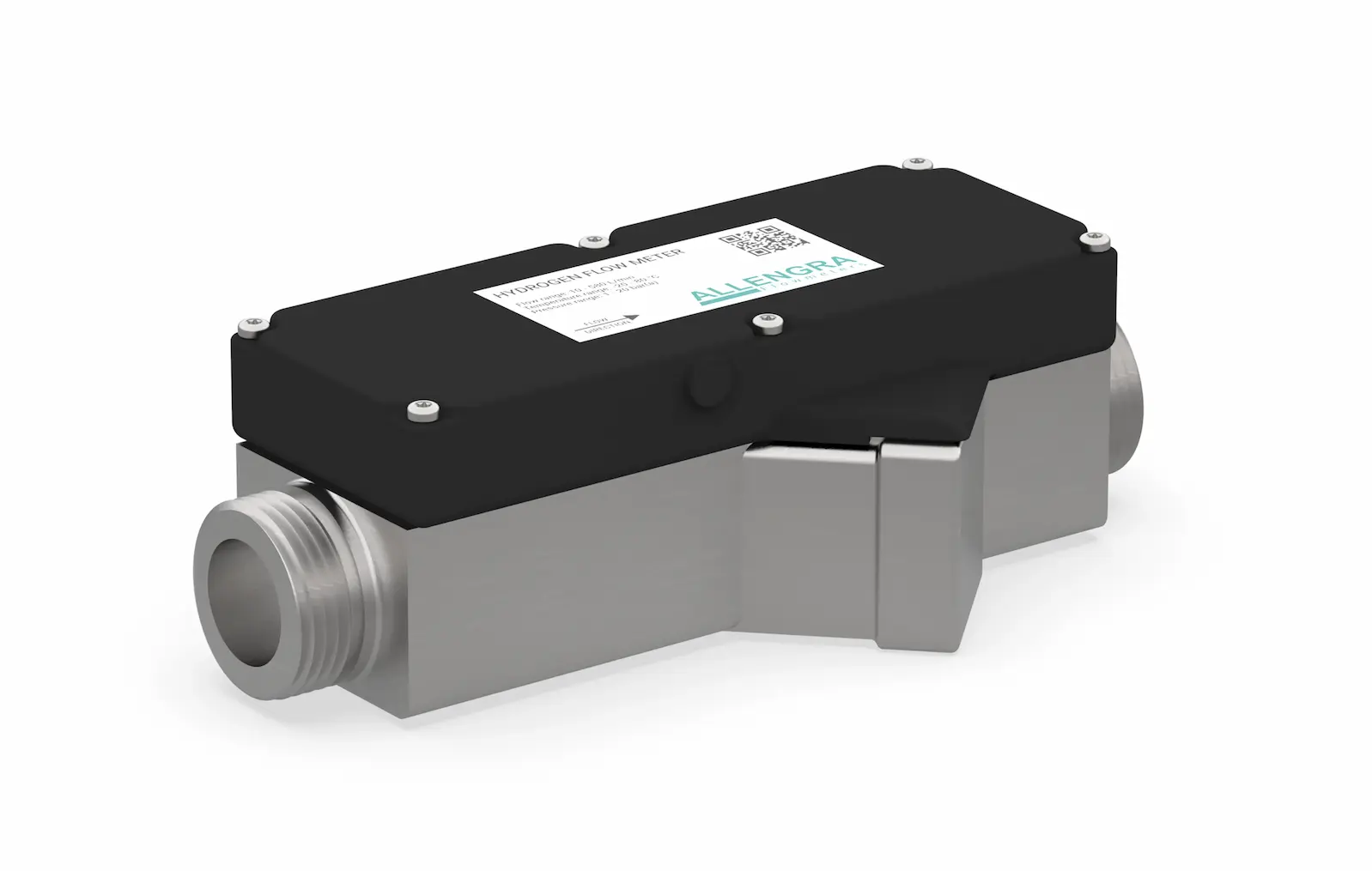
Allengra’s technology is already proven in the maritime industry, being part of the MiNaMi (Million Nautical Mile Fuel Cell System) project. Allengra supports the project with key flowmeter sensoristics based on Ultrasonic flow Measurement of Hydrogen as well as Hydrogen and Nitrogen mixtures, proving to be key for the efficient use of modern-day Fuel Cell systems.
By pushing the boundaries of current state-of-the-art PEM fuel cell technology, the MiNaMi project aims to deliver economically viable and environmentally sustainable solutions aligned with Europe’s climate and decarbonization targets.
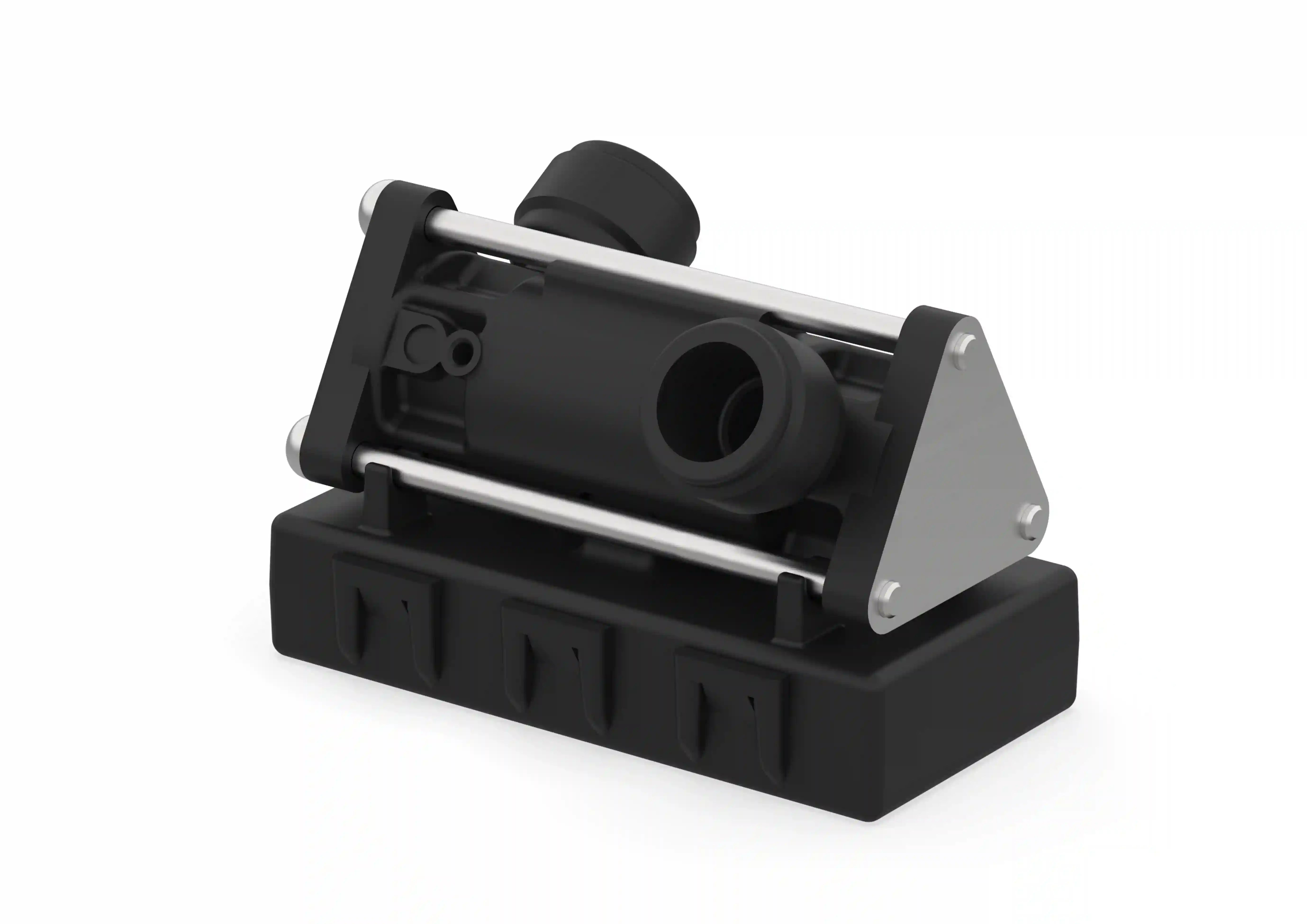
Allengra is a development company, manufacturing and designing ultrasonic flow meters in-house. We can customize and specially develop every single product from our lineup for different marine applications and OEMs with the clamp-on or wetted possibility.