Agriculture
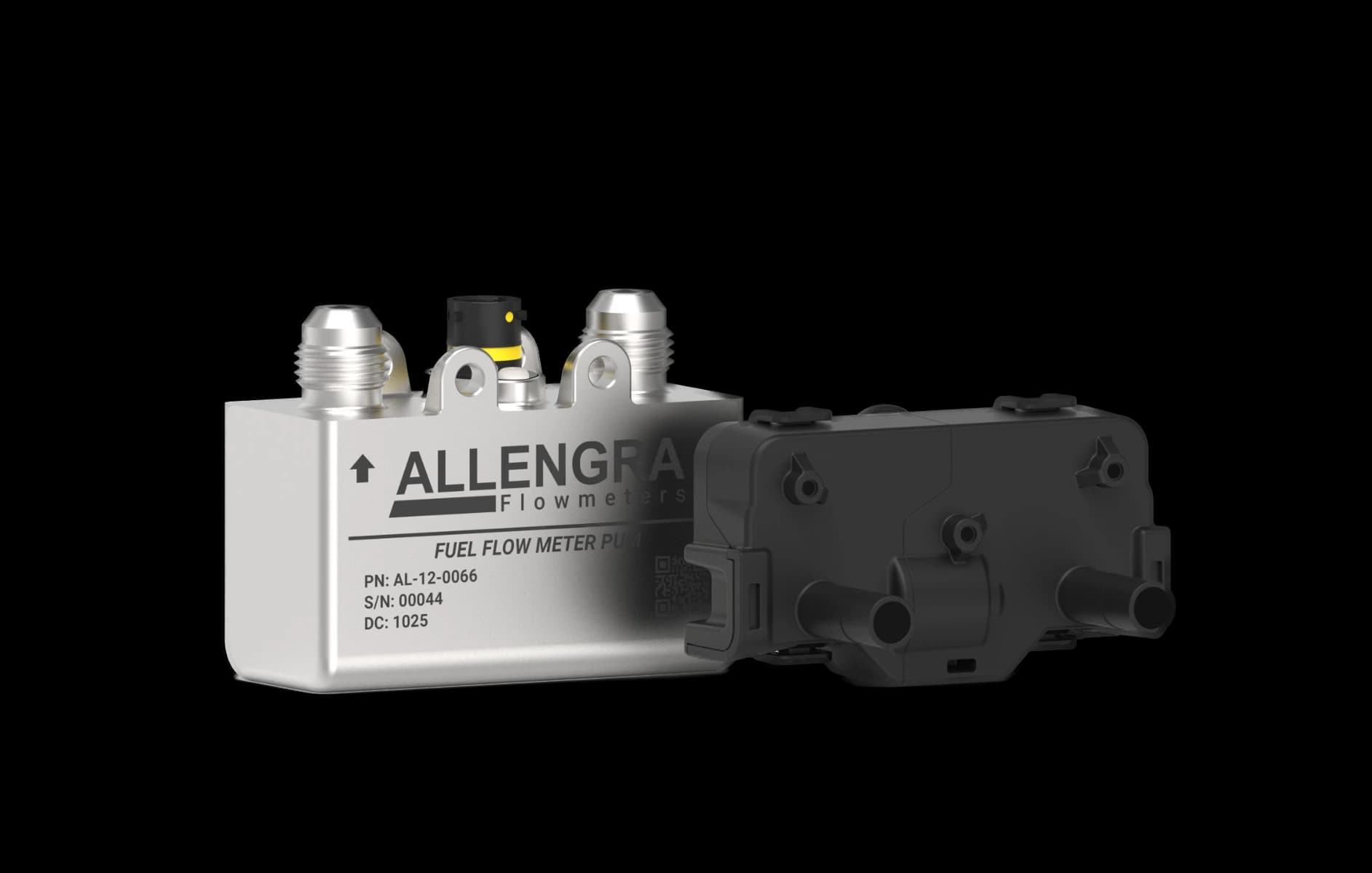
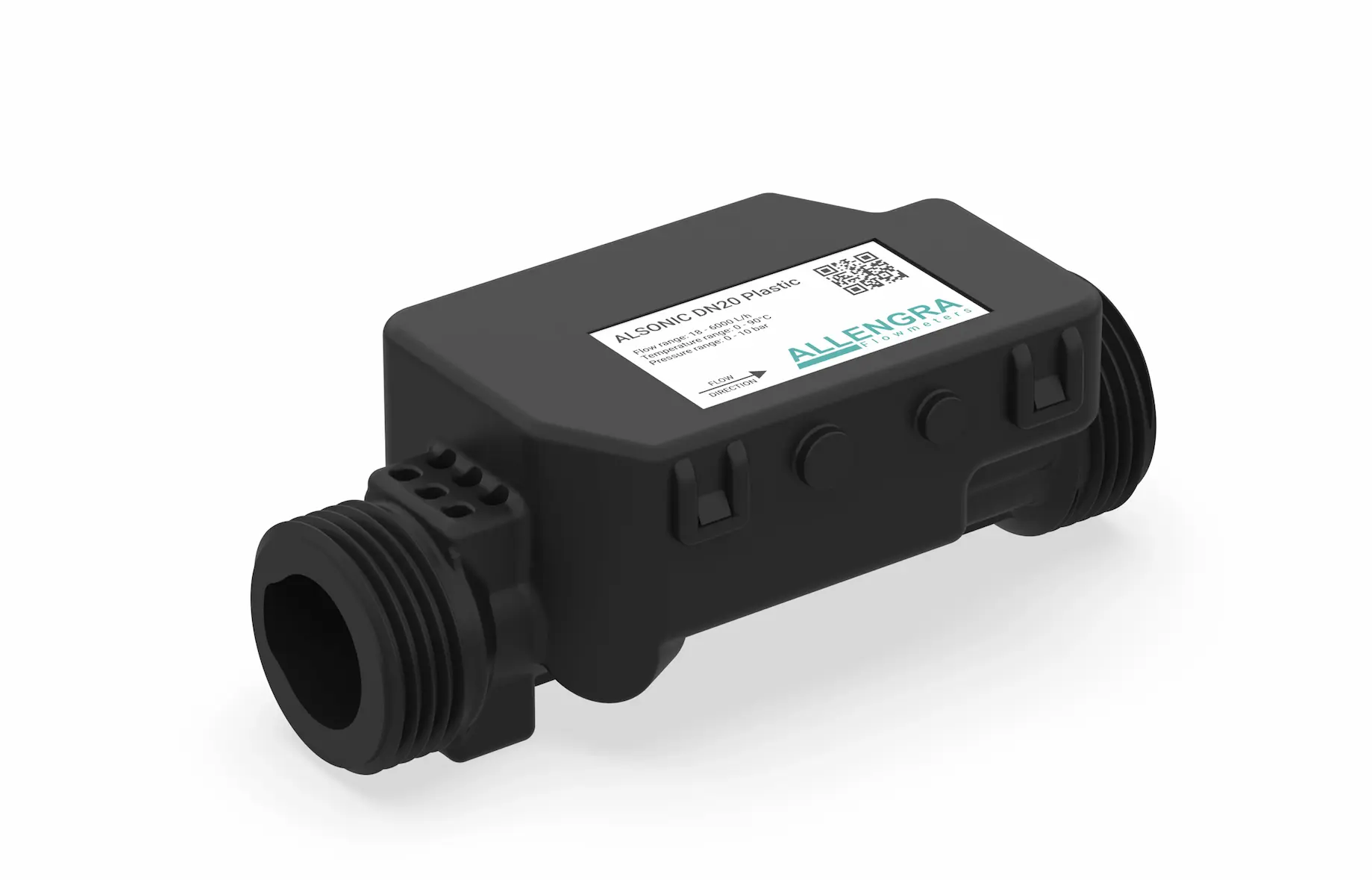
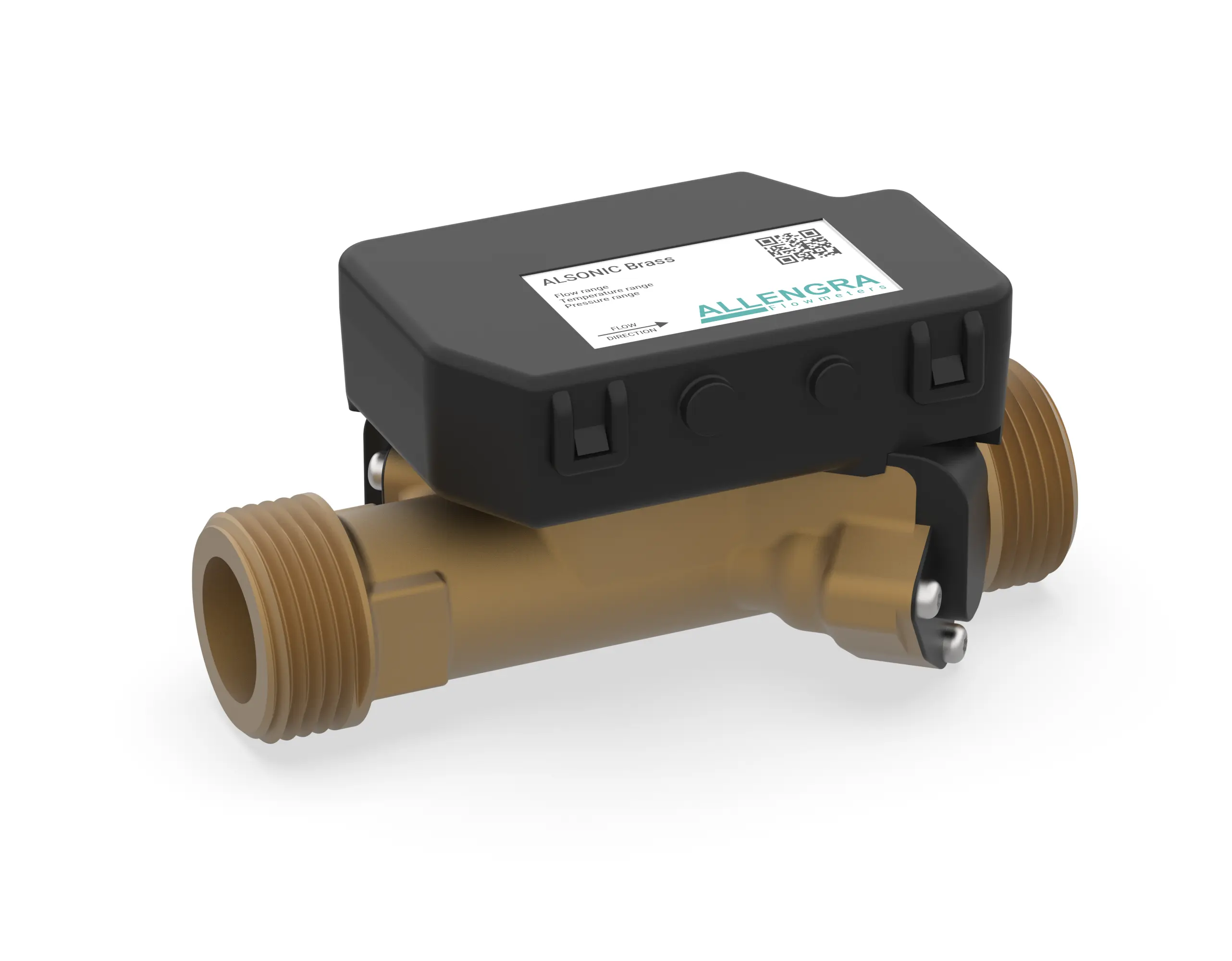
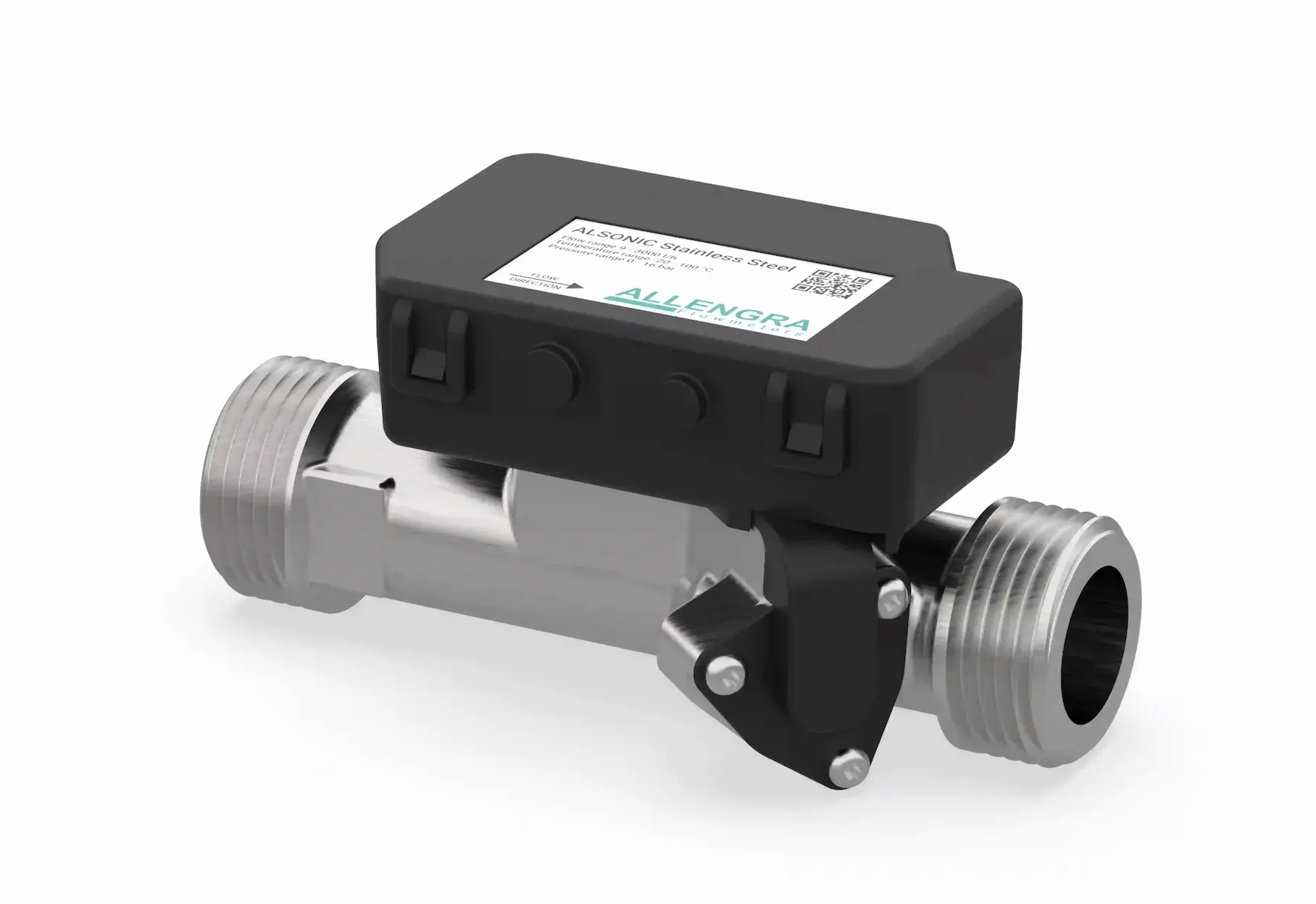
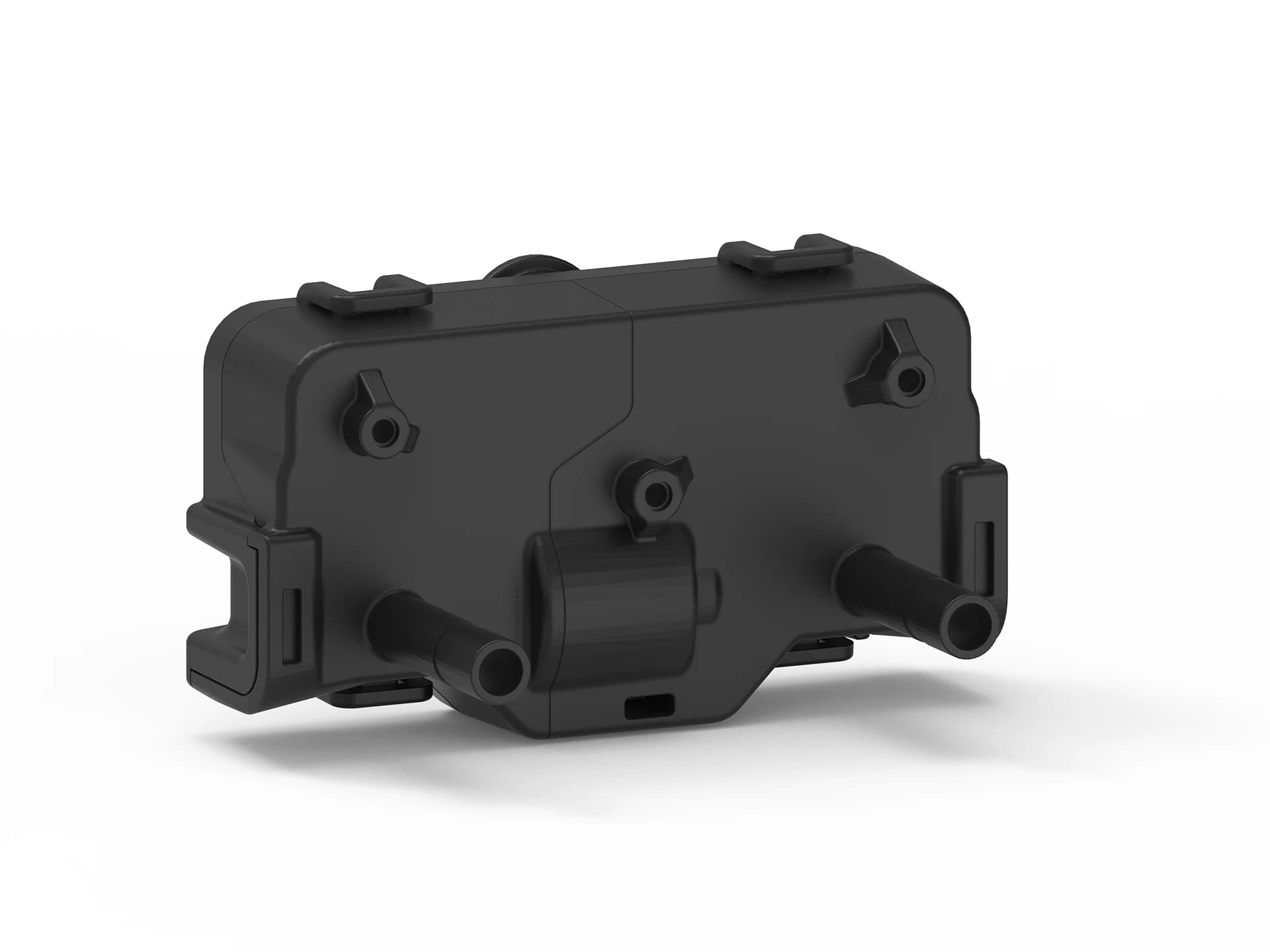
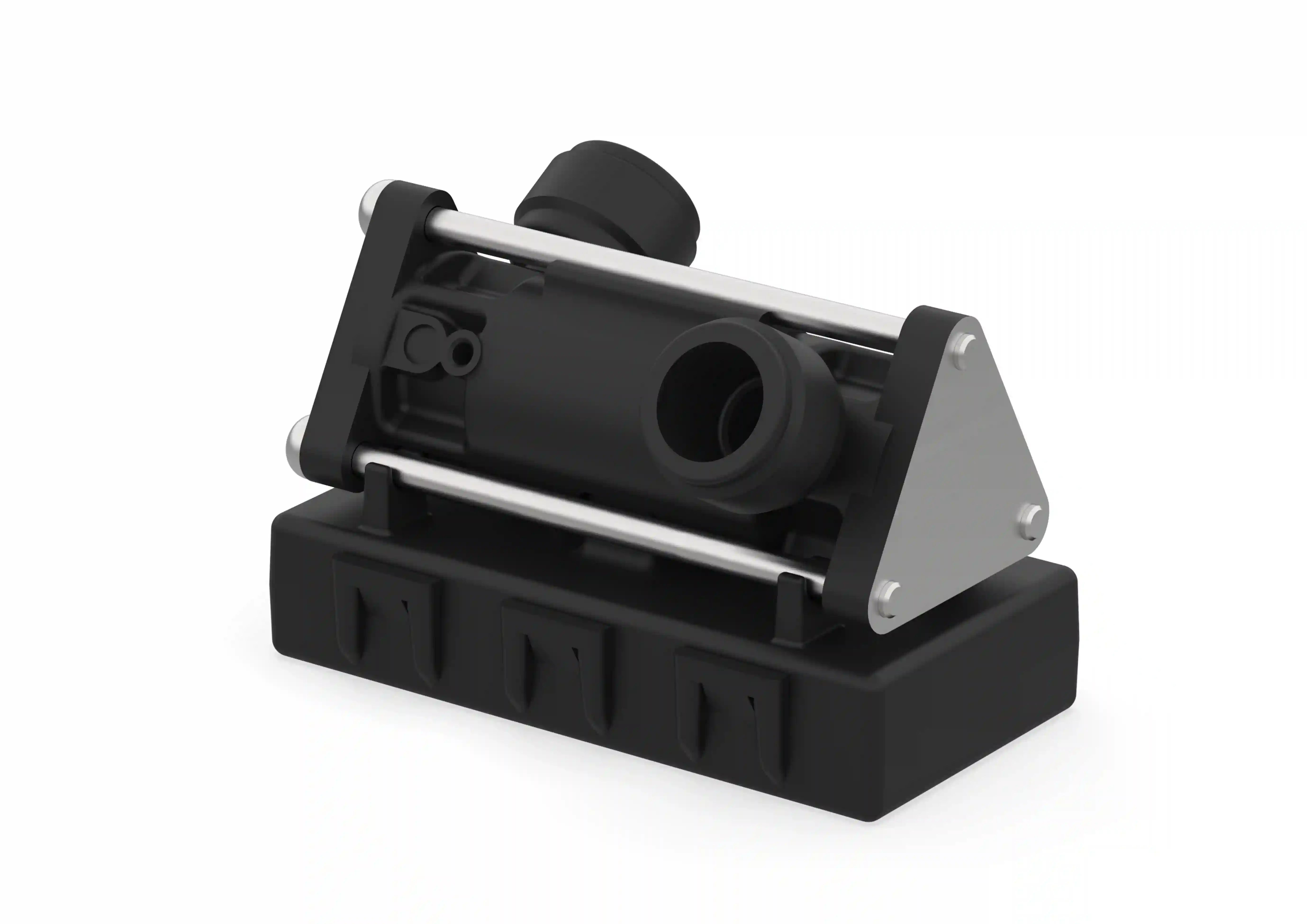
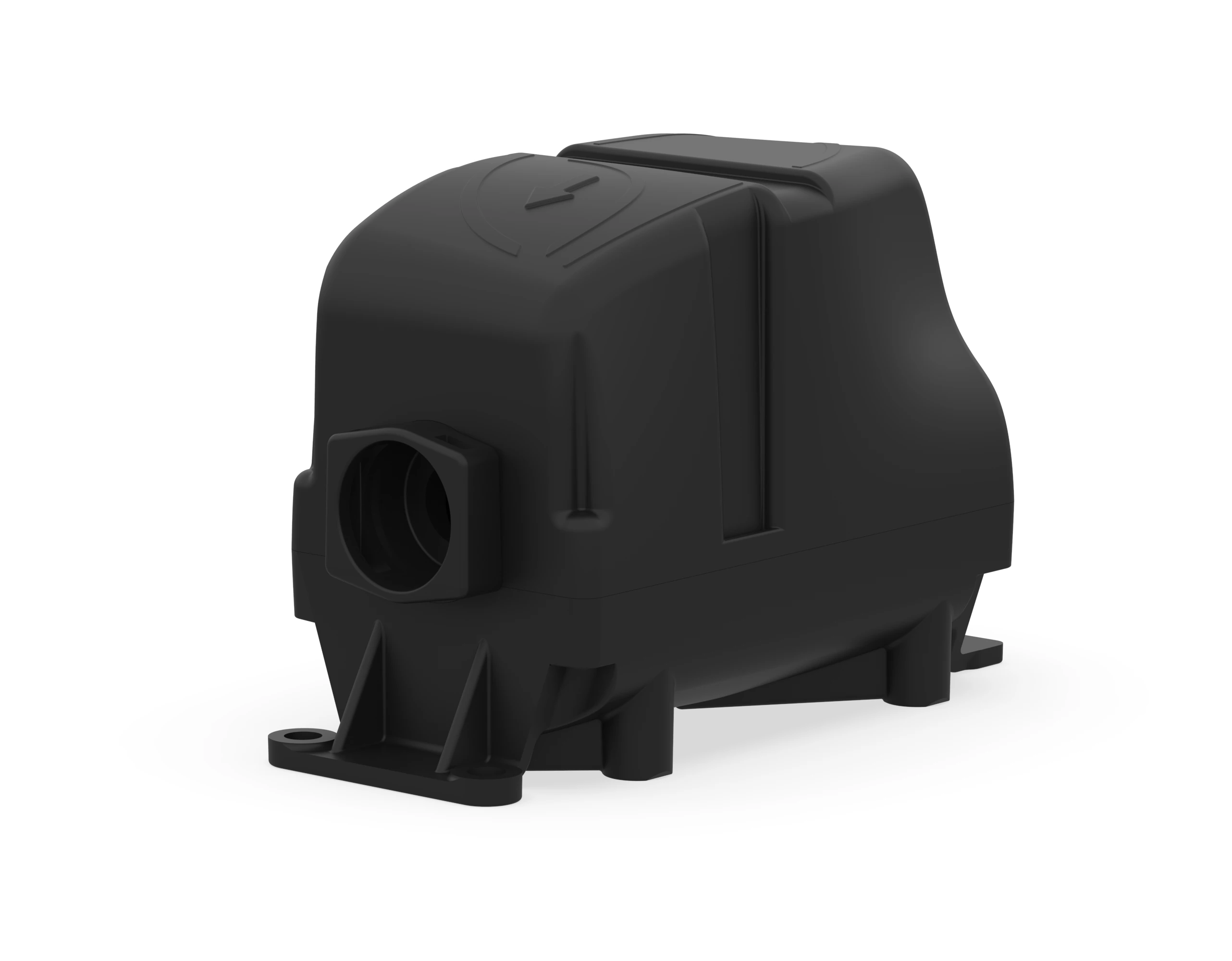
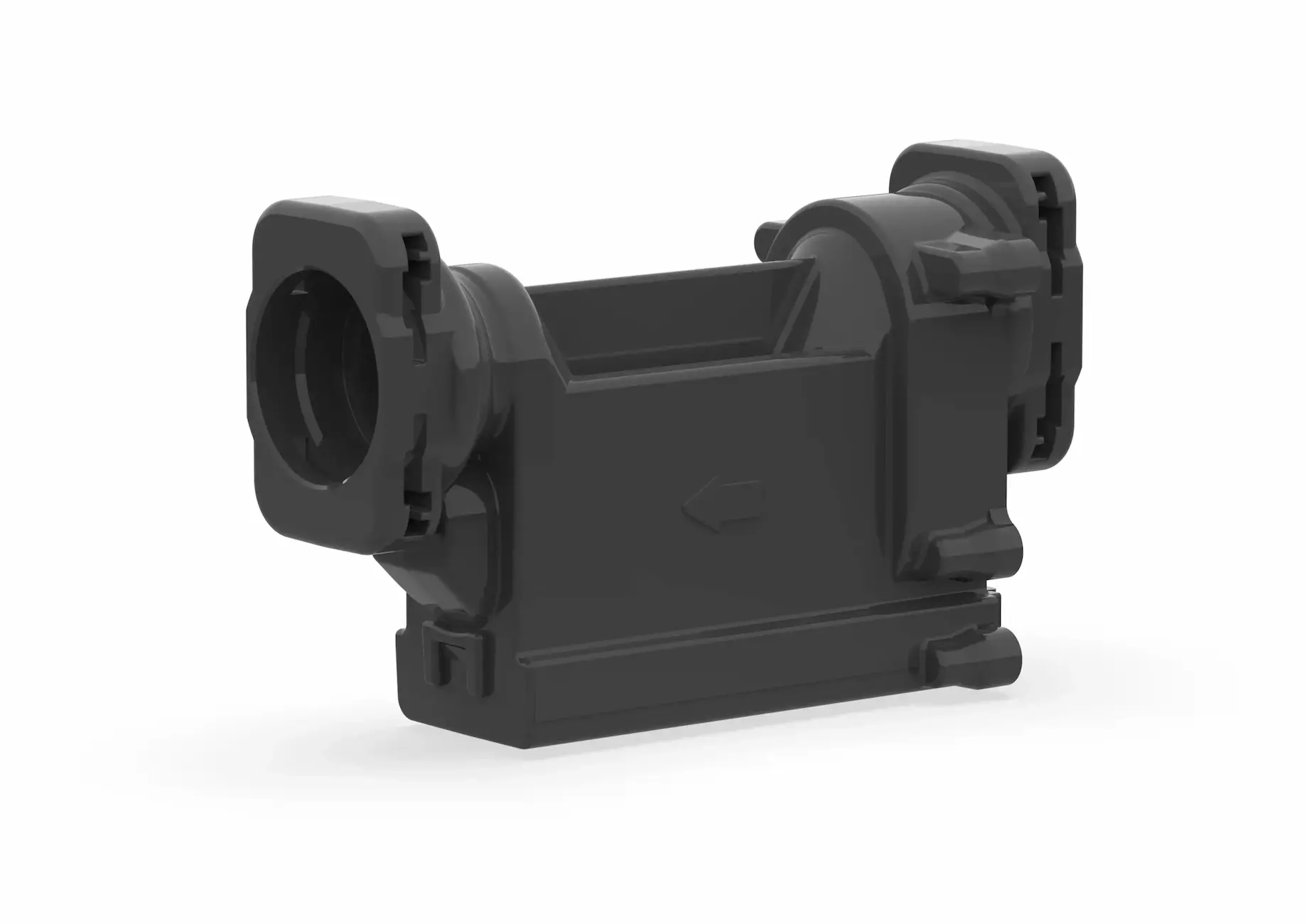
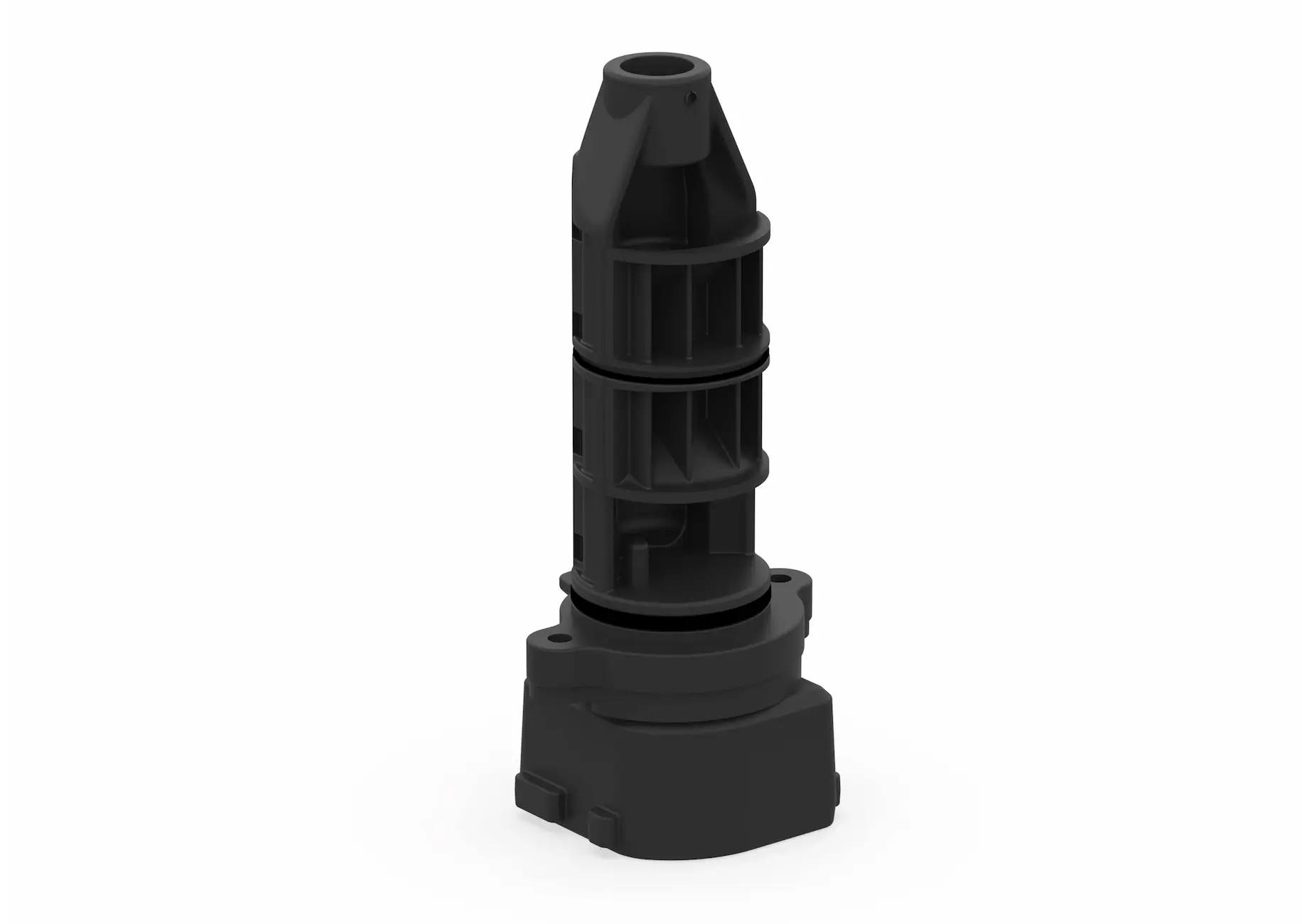
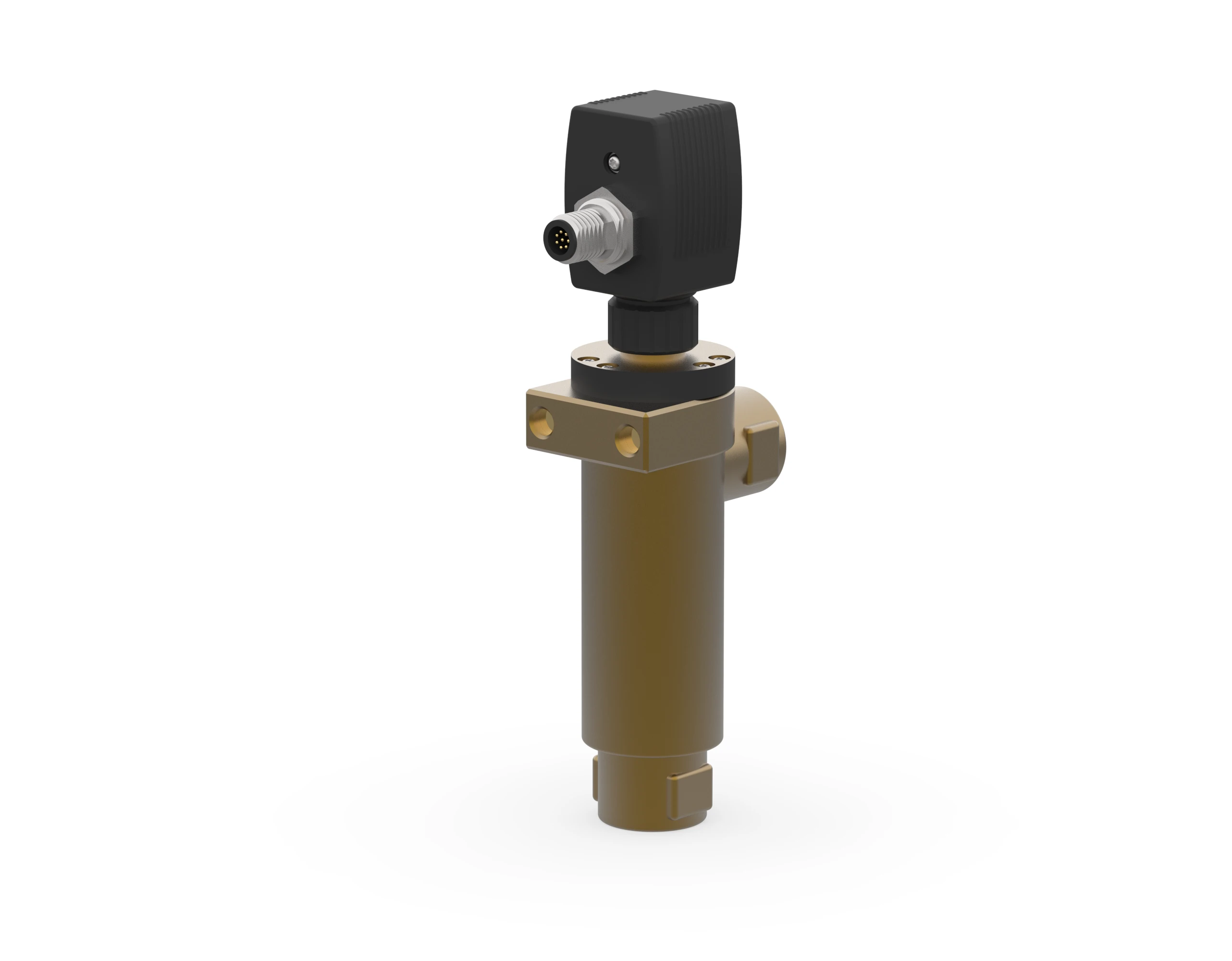
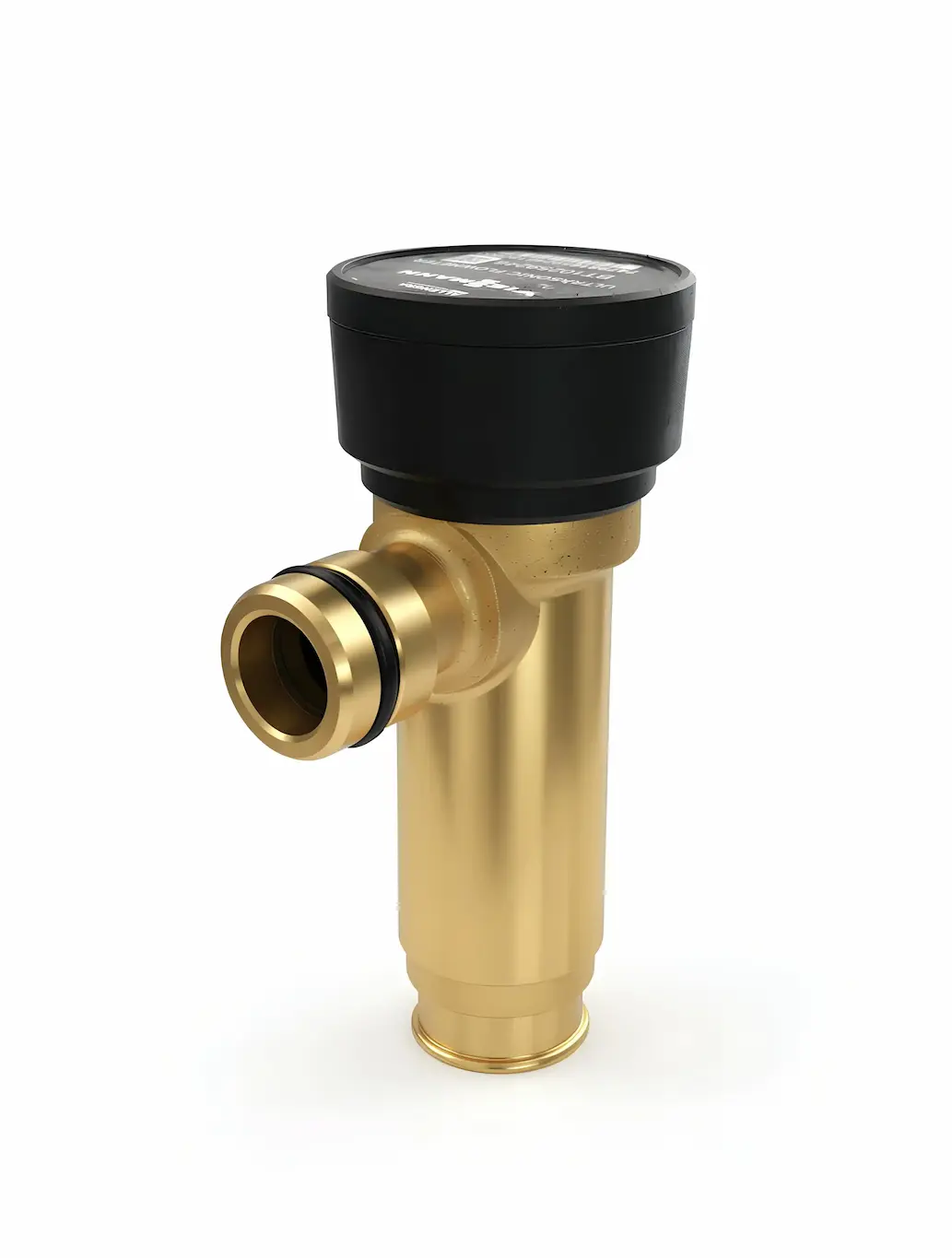
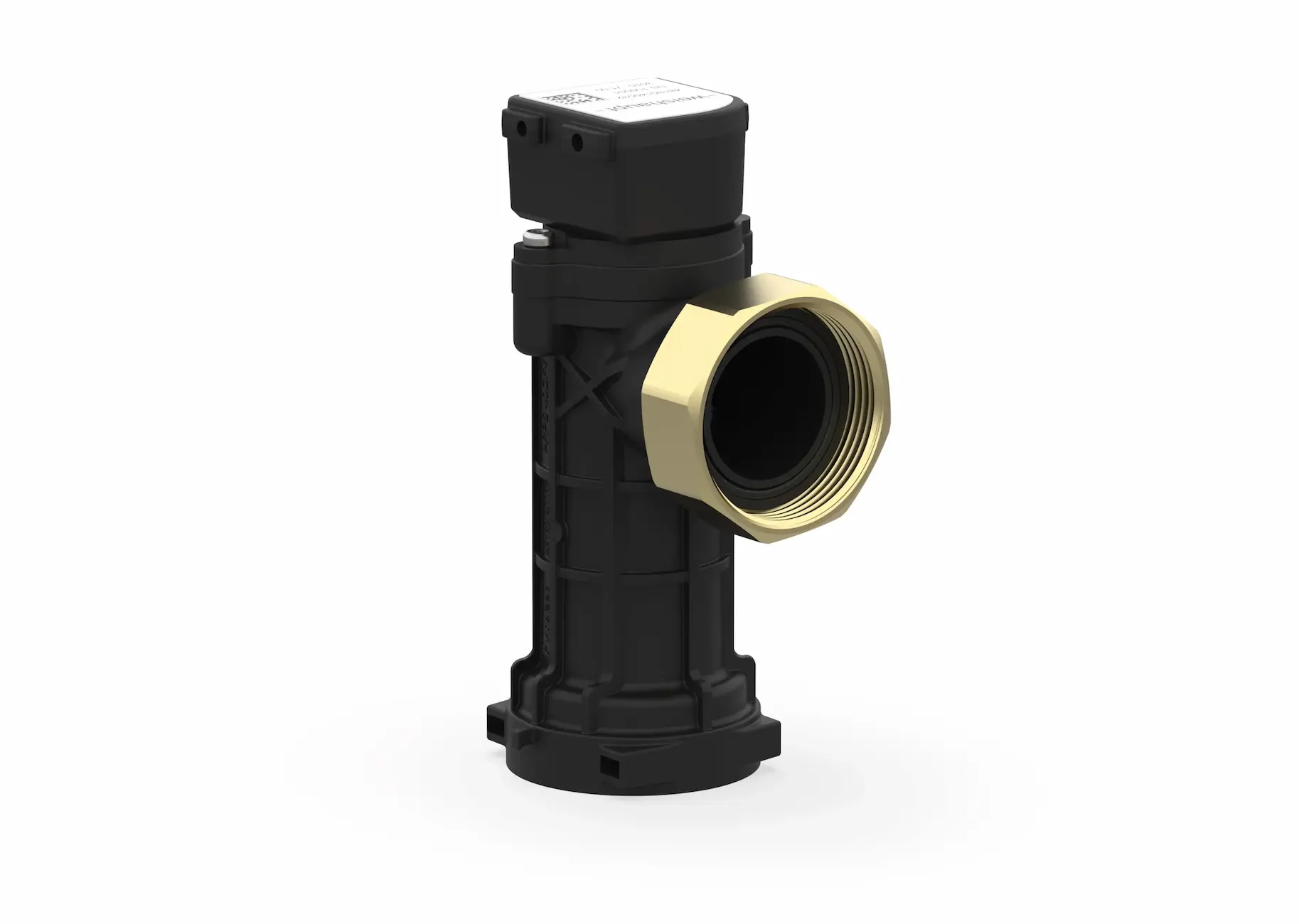
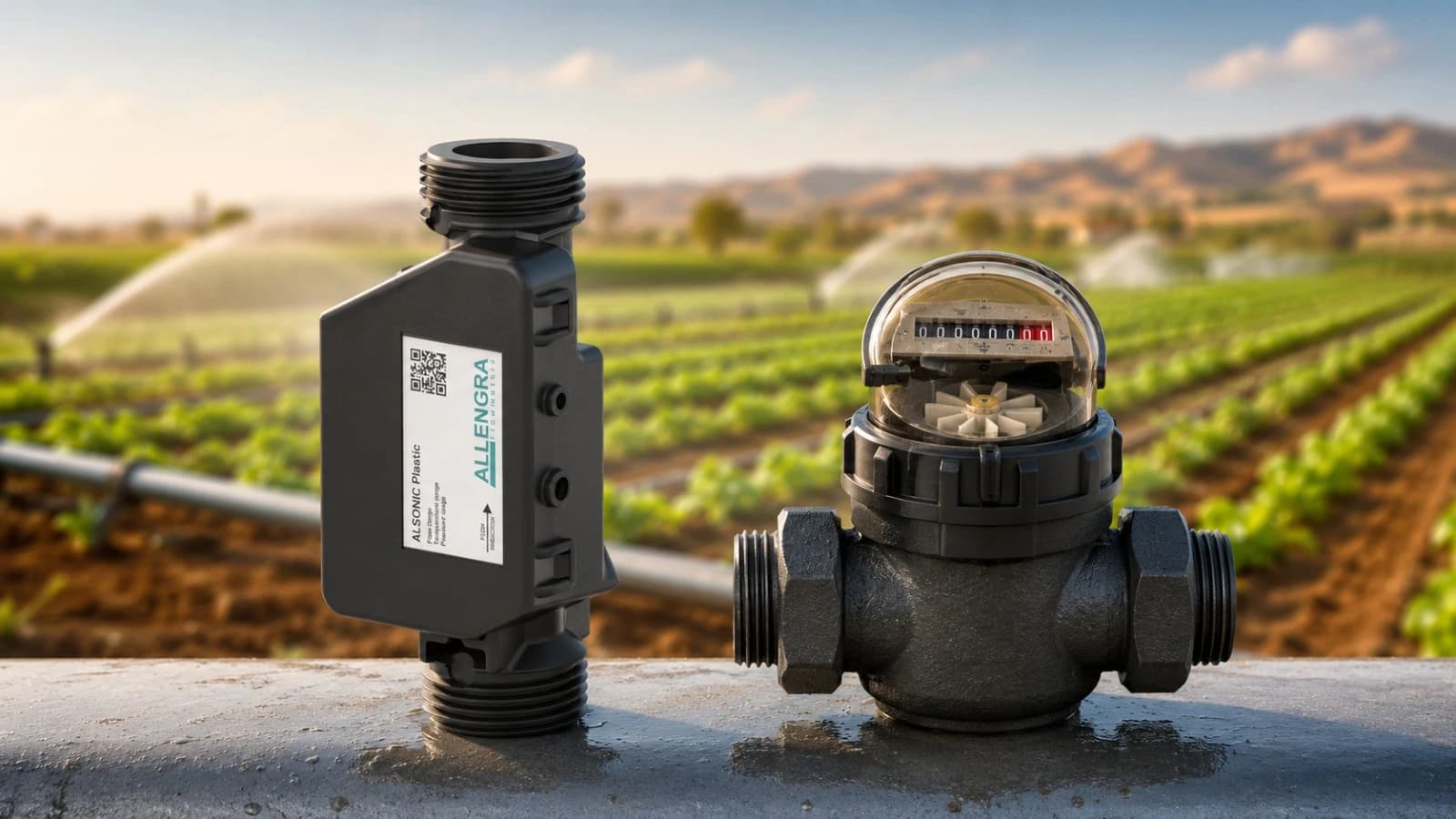
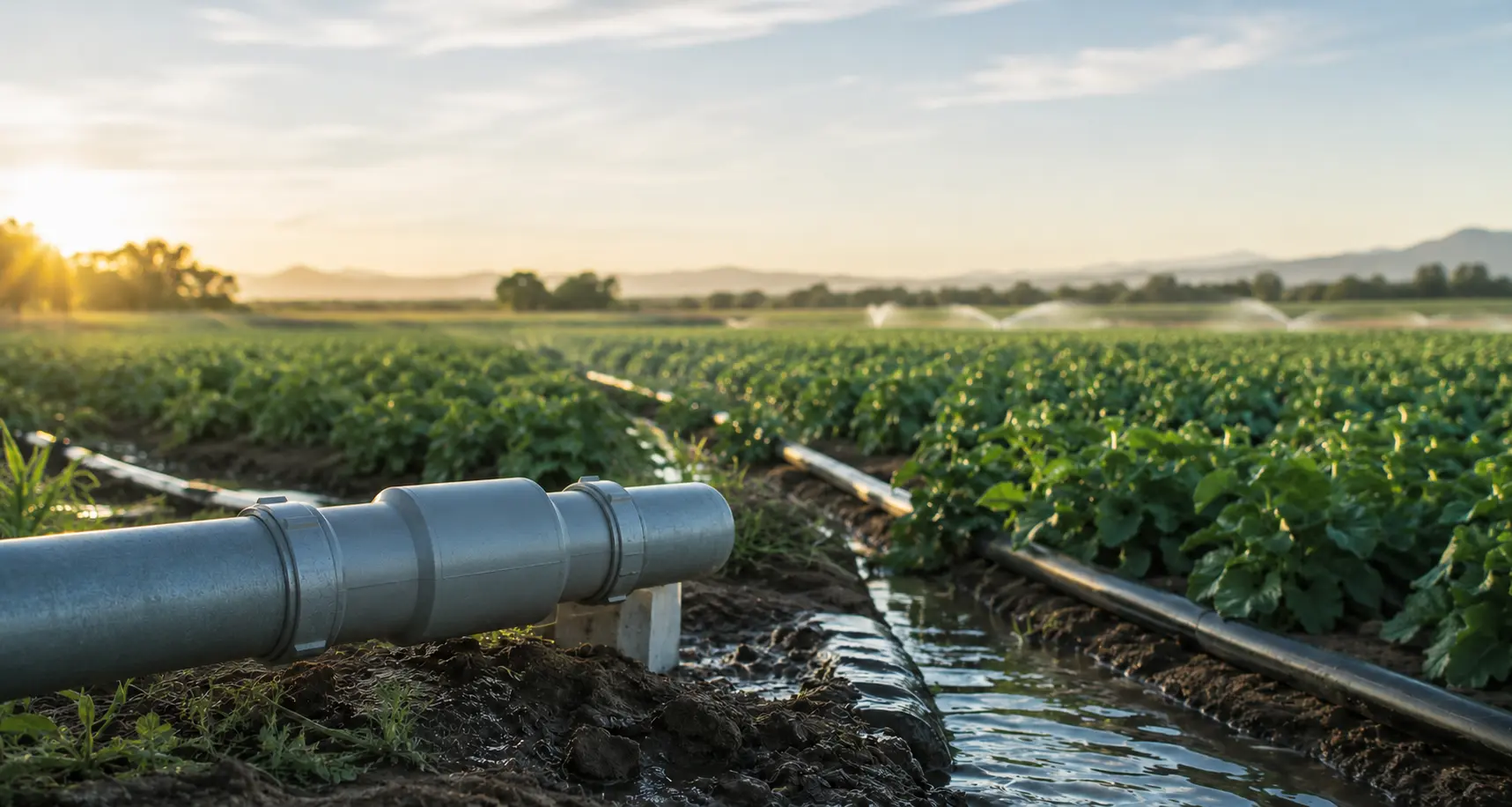
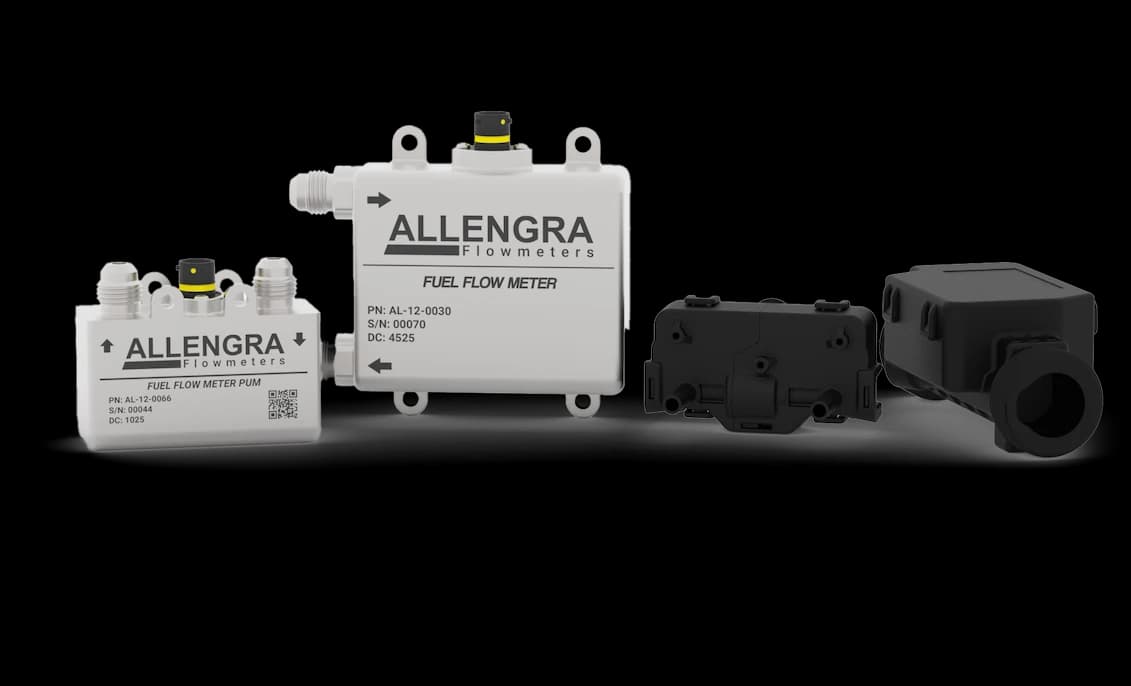
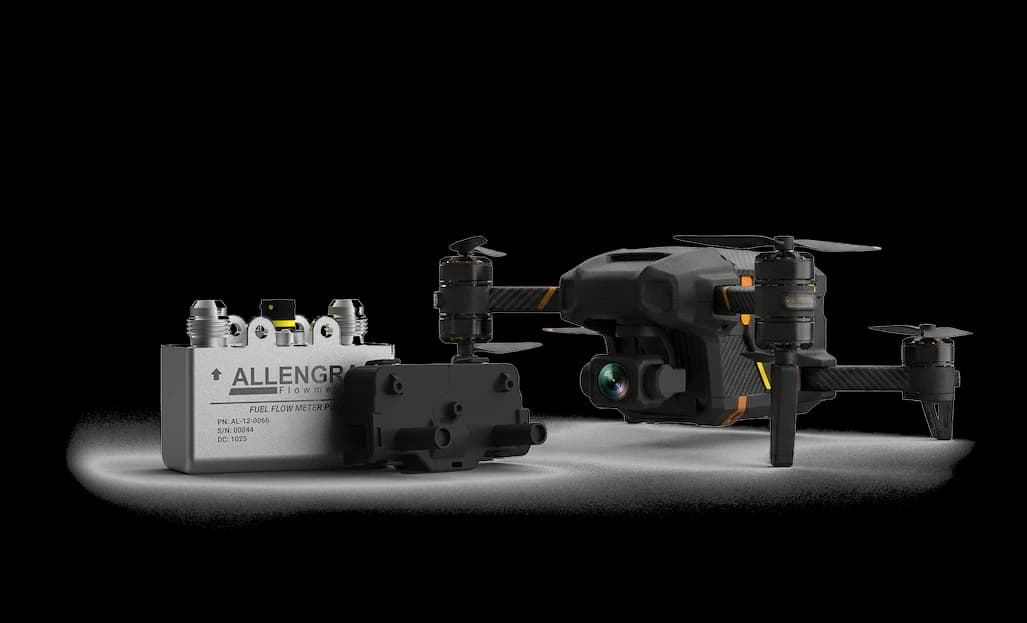
Allengra's Ultrasonic Flowmeter Solutions are designed for the agricultural environment. By measuring flow, pressure, temperature, concentration, and acoustic properties simultaneously and without any moving parts, these meters bring real-time visibility to every fluid in the agricultural operation, from clean irrigation water and fertilizer solutions to pesticide concentrates, slurries, biogas condensate, and milk. Because there are no wetted components to corrode or wear, the same technology that handles aggressive agrochemicals also serves food-grade dairy lines, making it one of the few measurement platforms capable of spanning the full range of agricultural fluid management.
APPLICATIONS
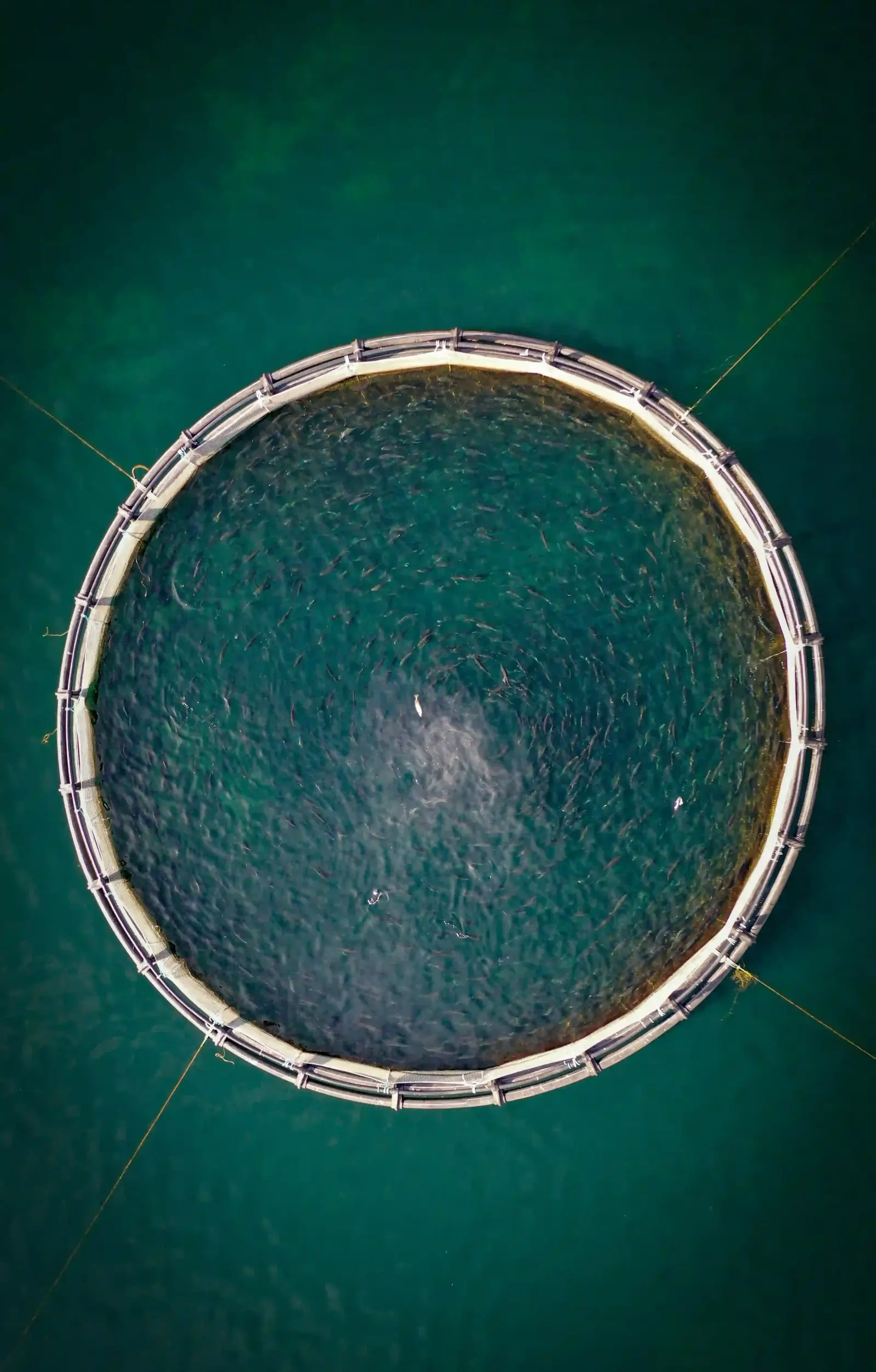
Aquaculture
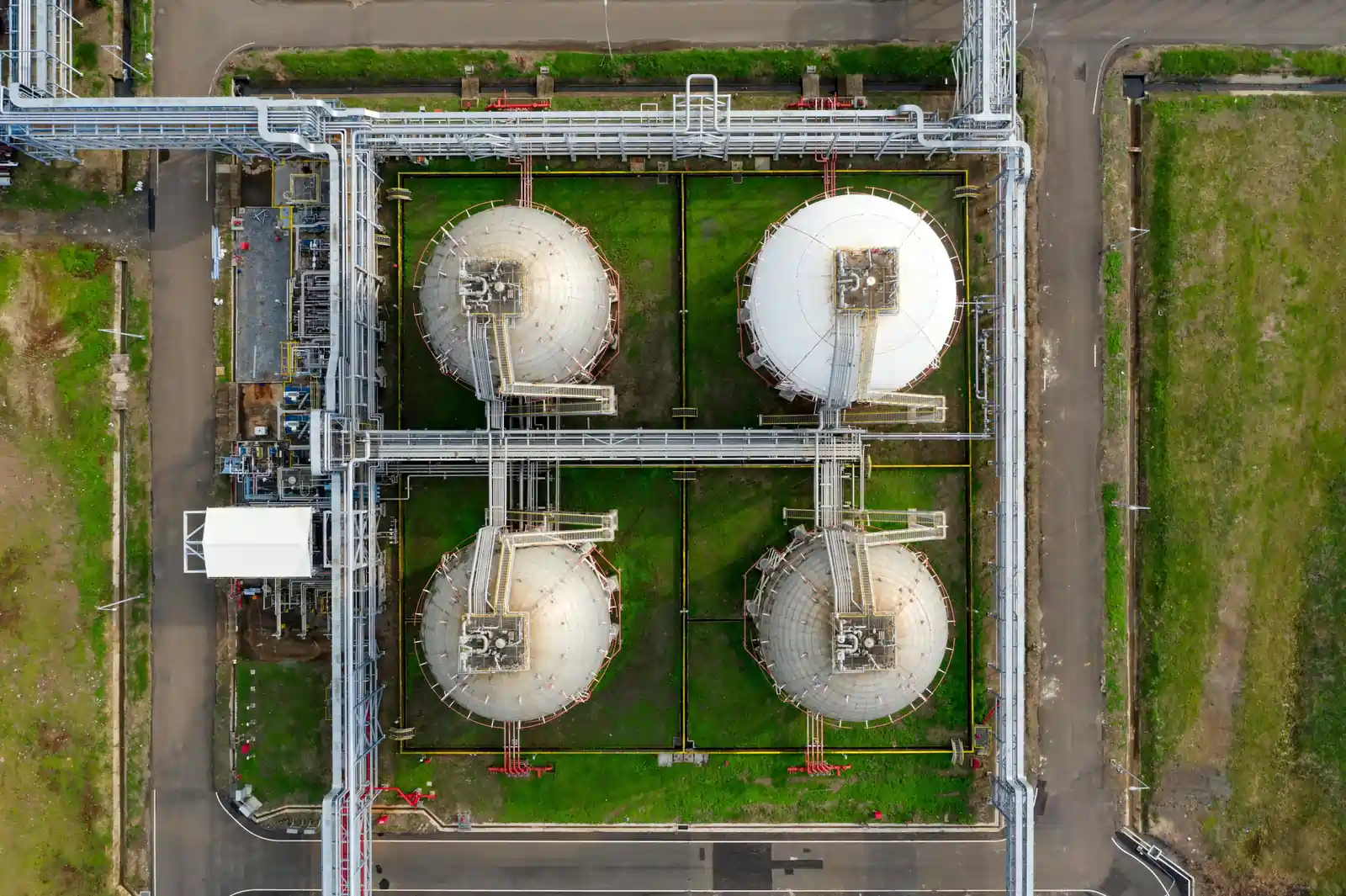
Biogas
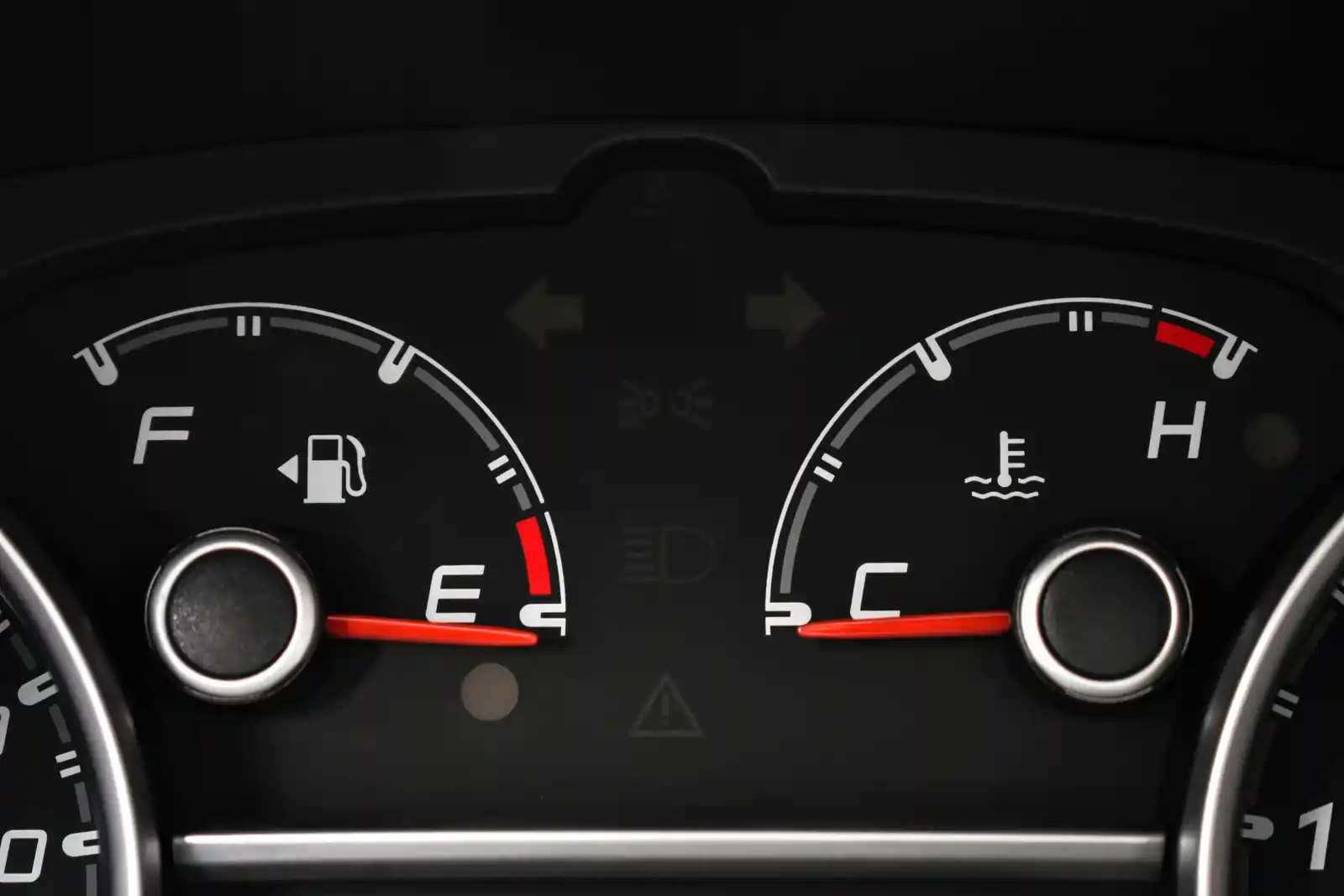
AdBlue & Diesel consumption
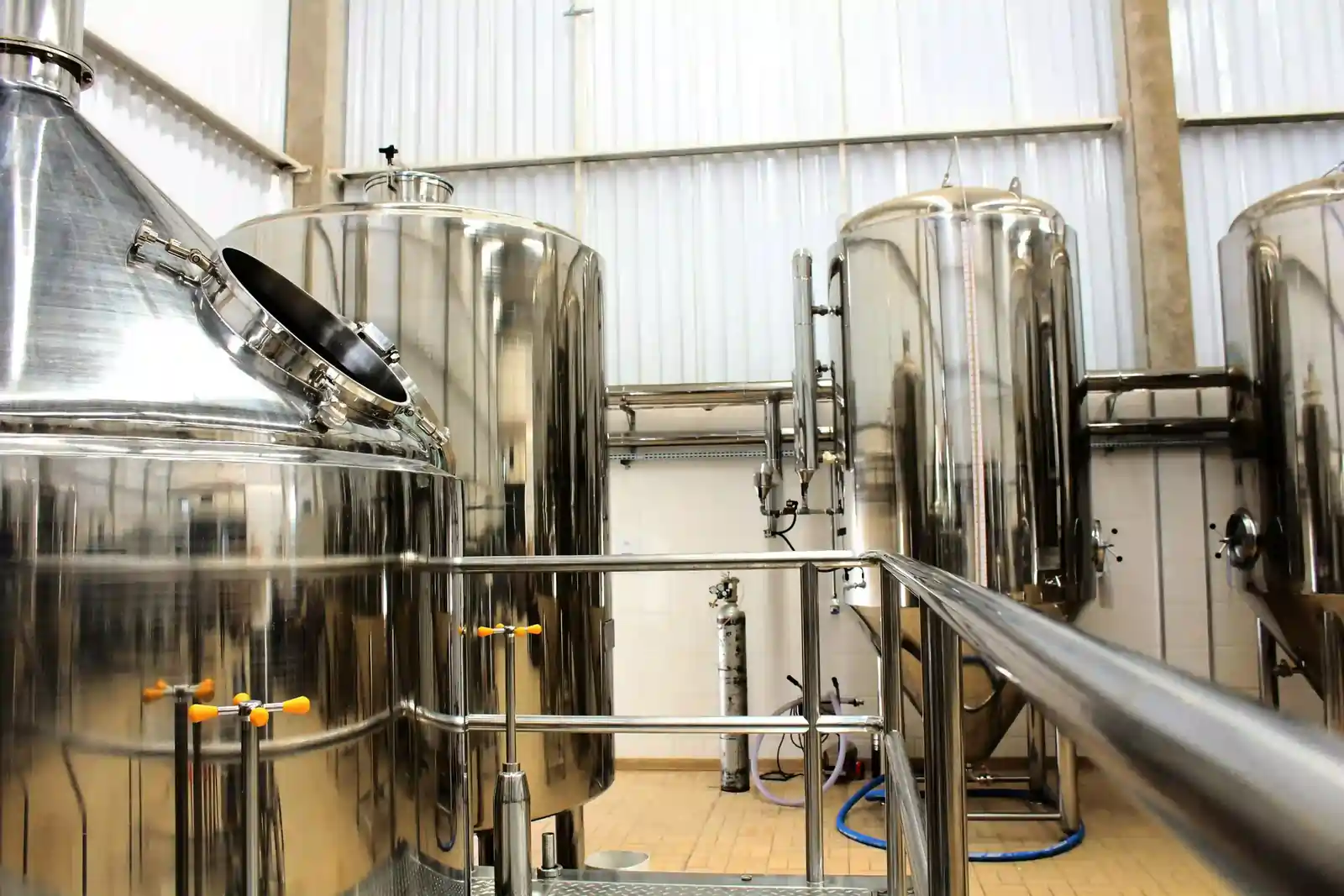
Dairy milk pipelines & CIP
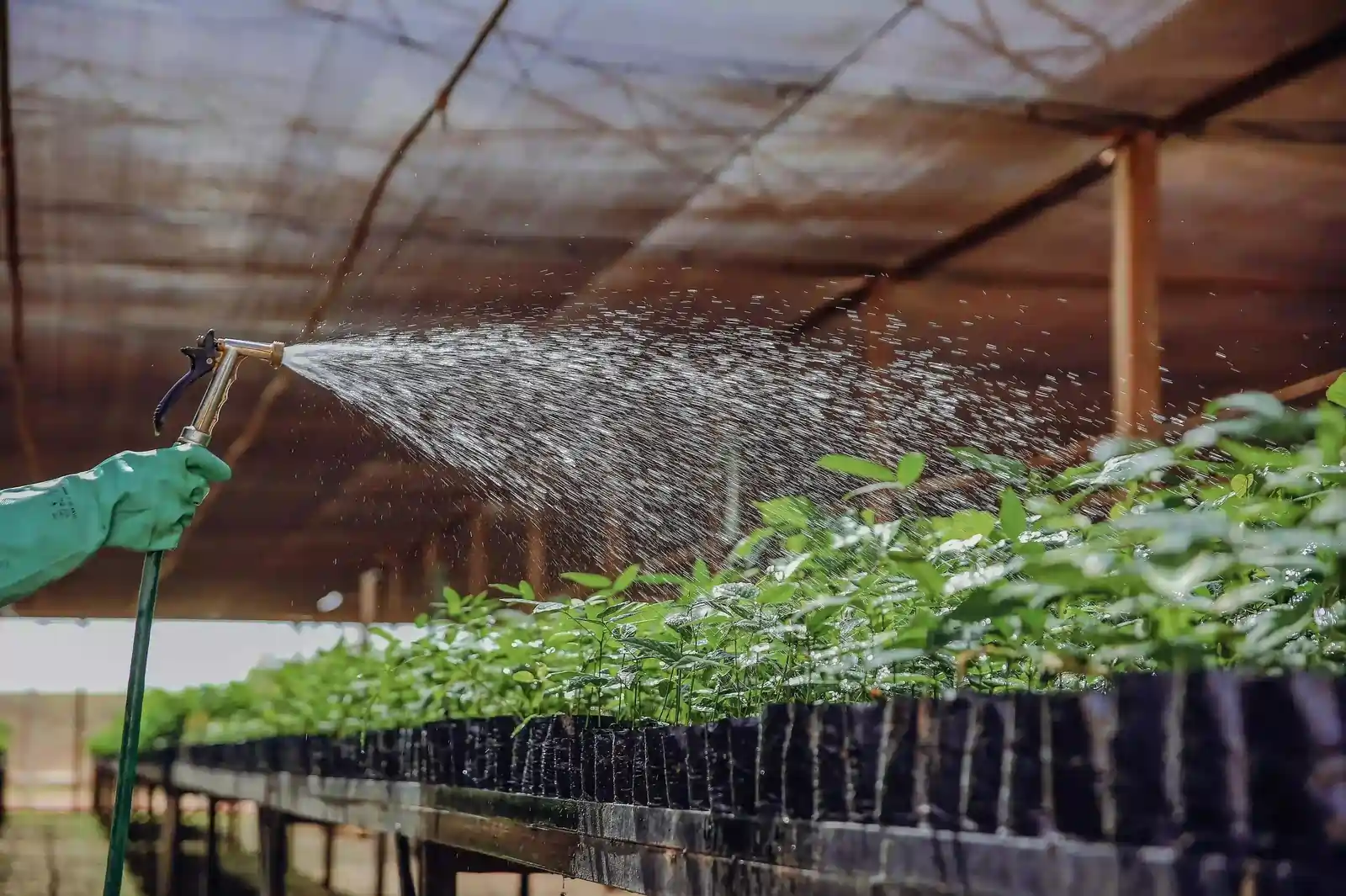
Fertigation
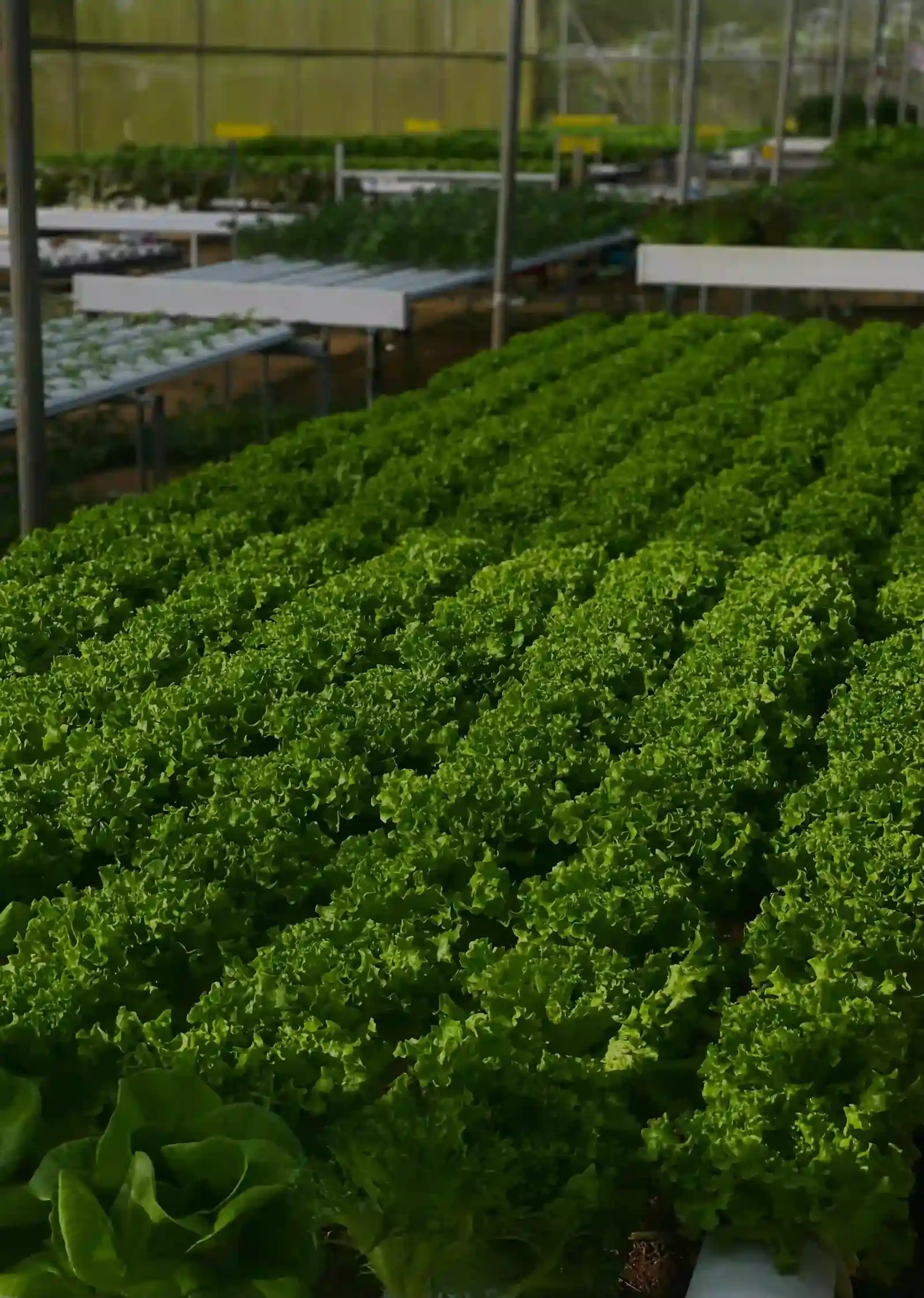
Greenhouse hydroponics
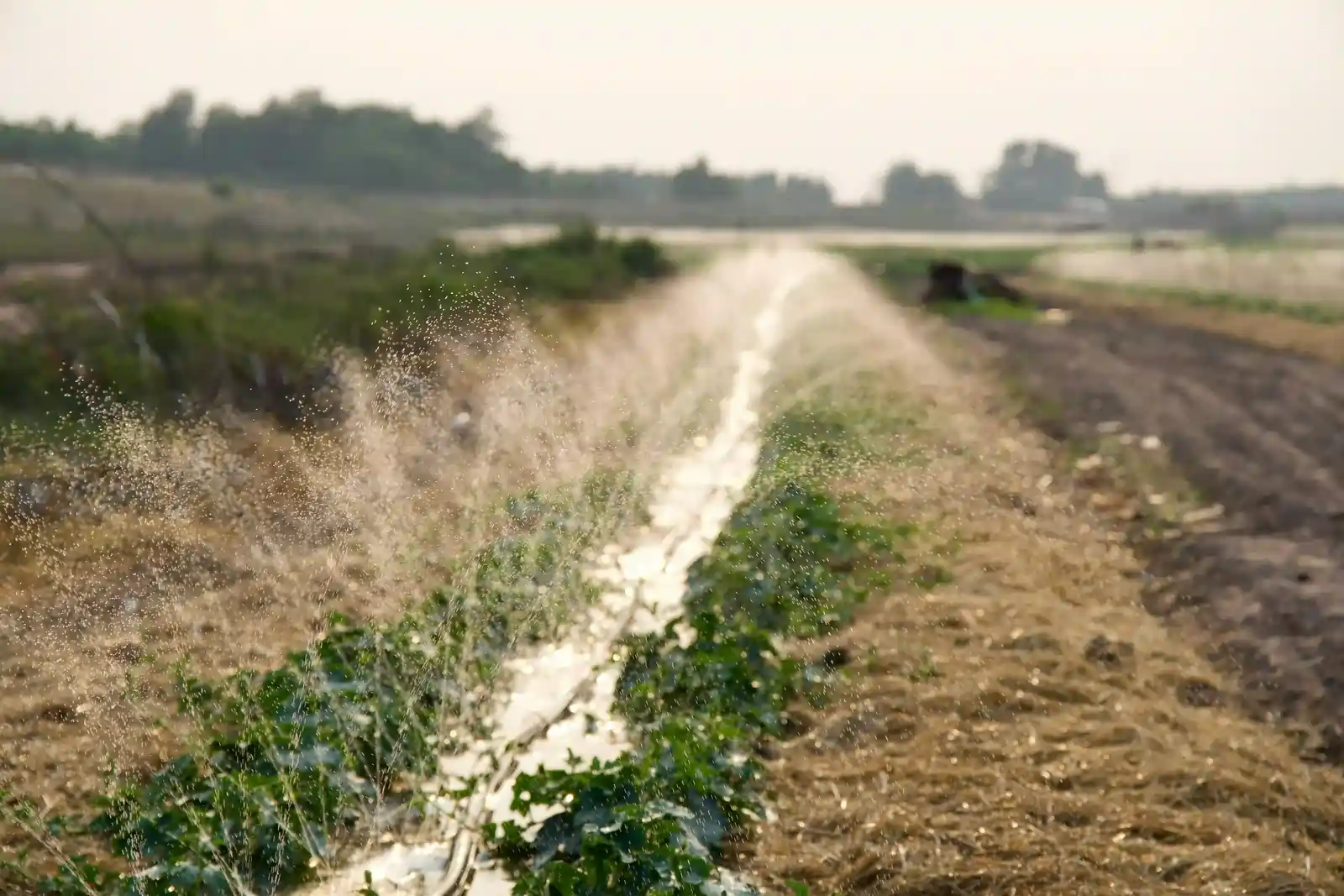
Irrigation
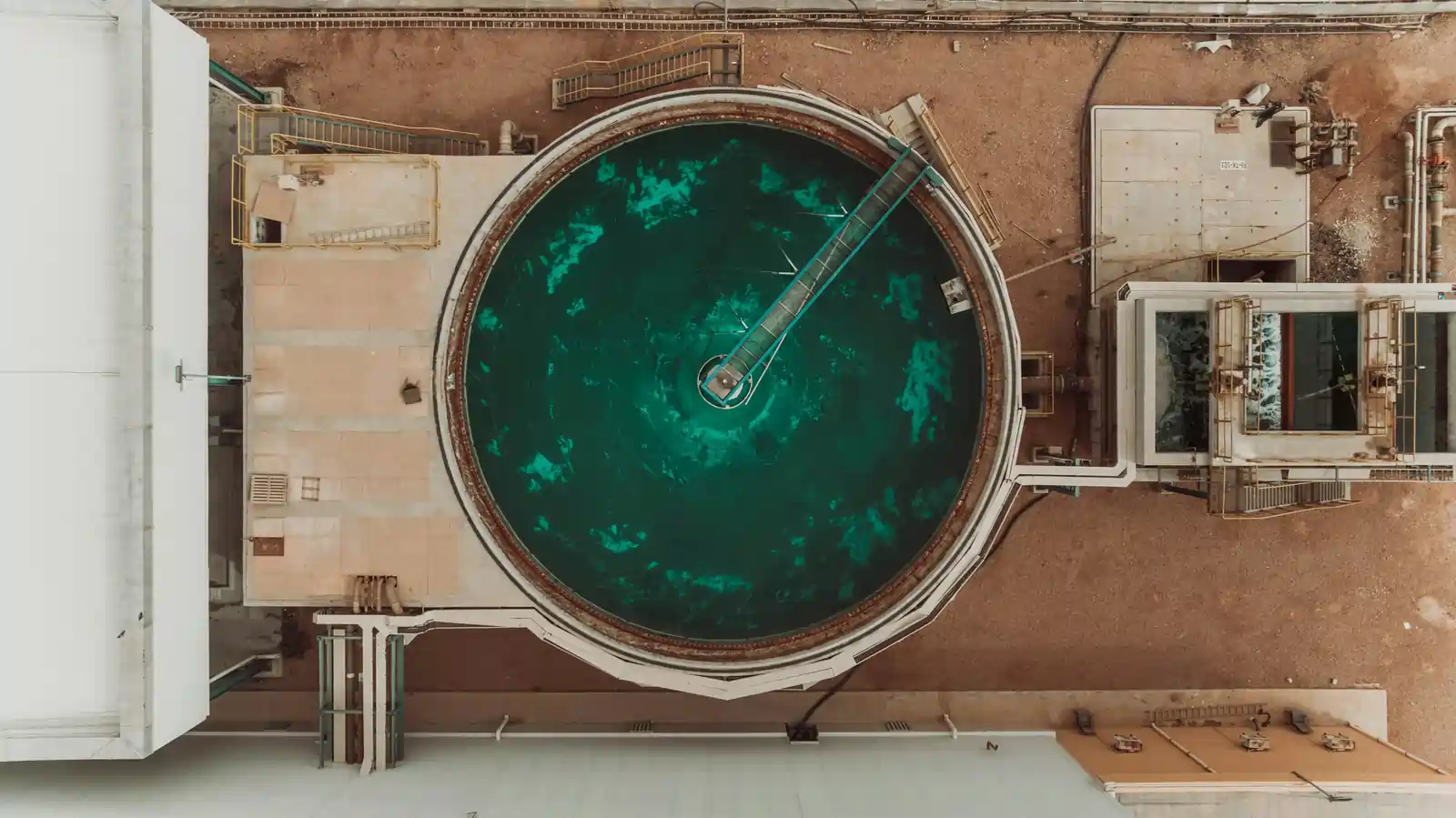
Leachate collection
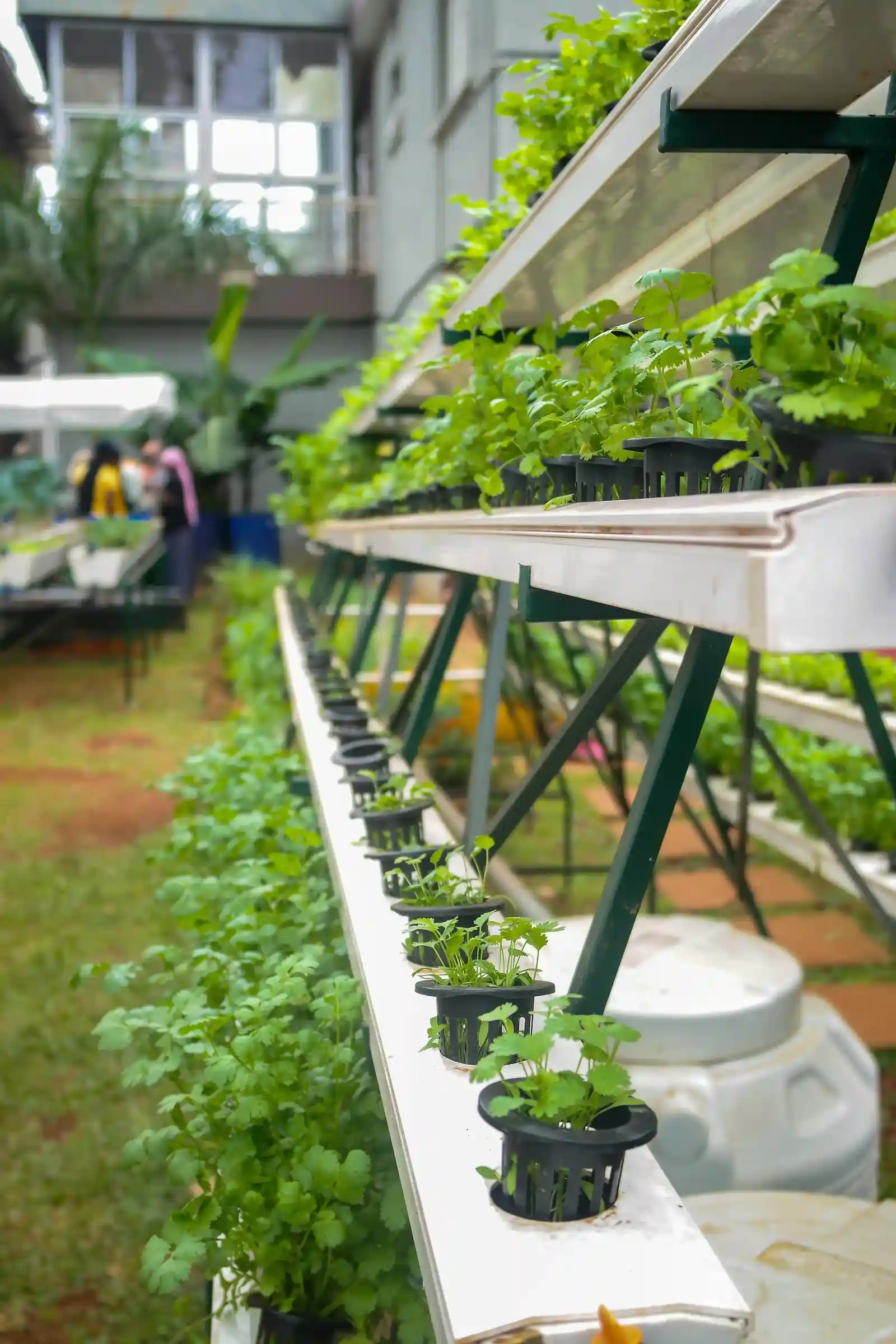
Vertical farming
Measuring liquids
Measuring Any Type of Liquid Across Different Domains
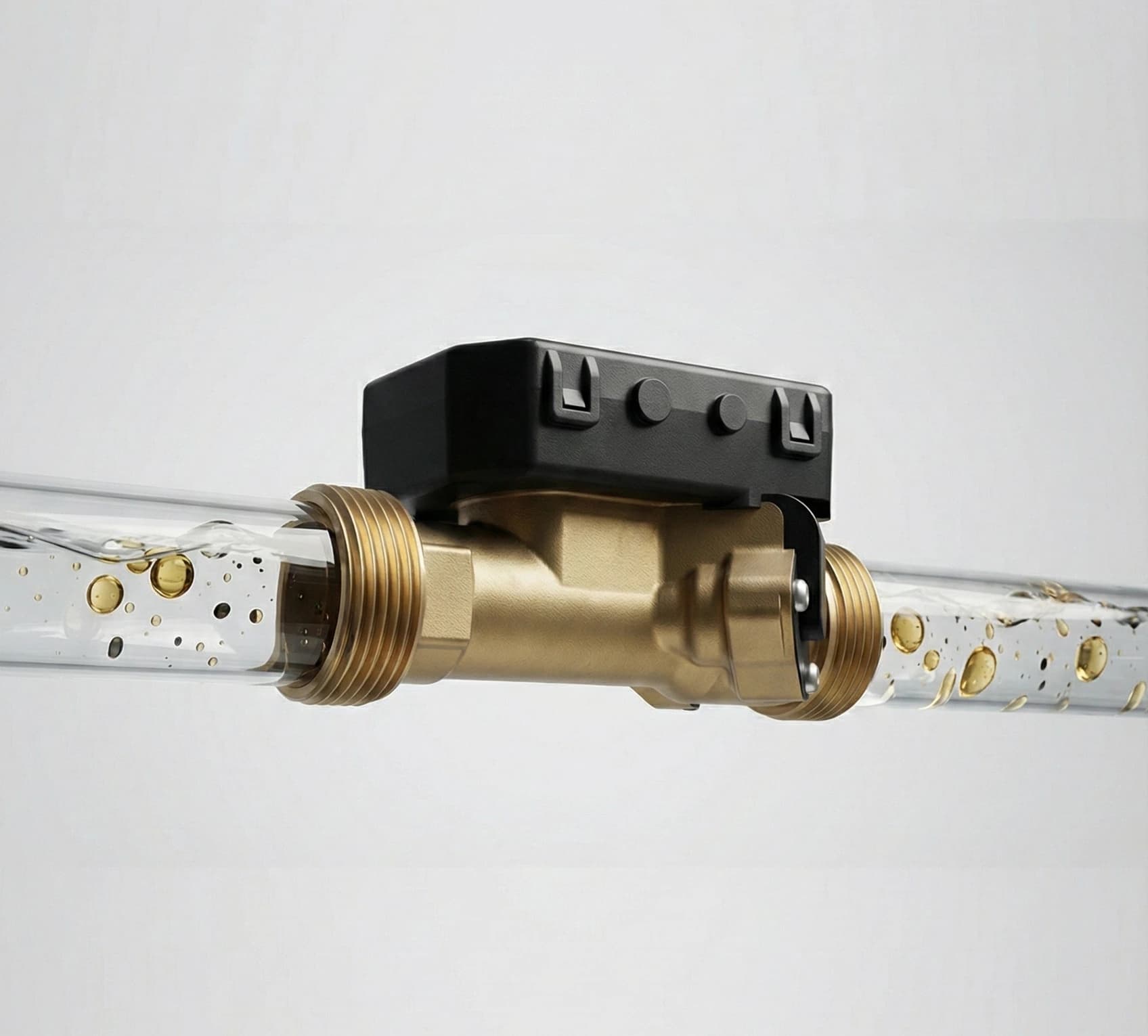
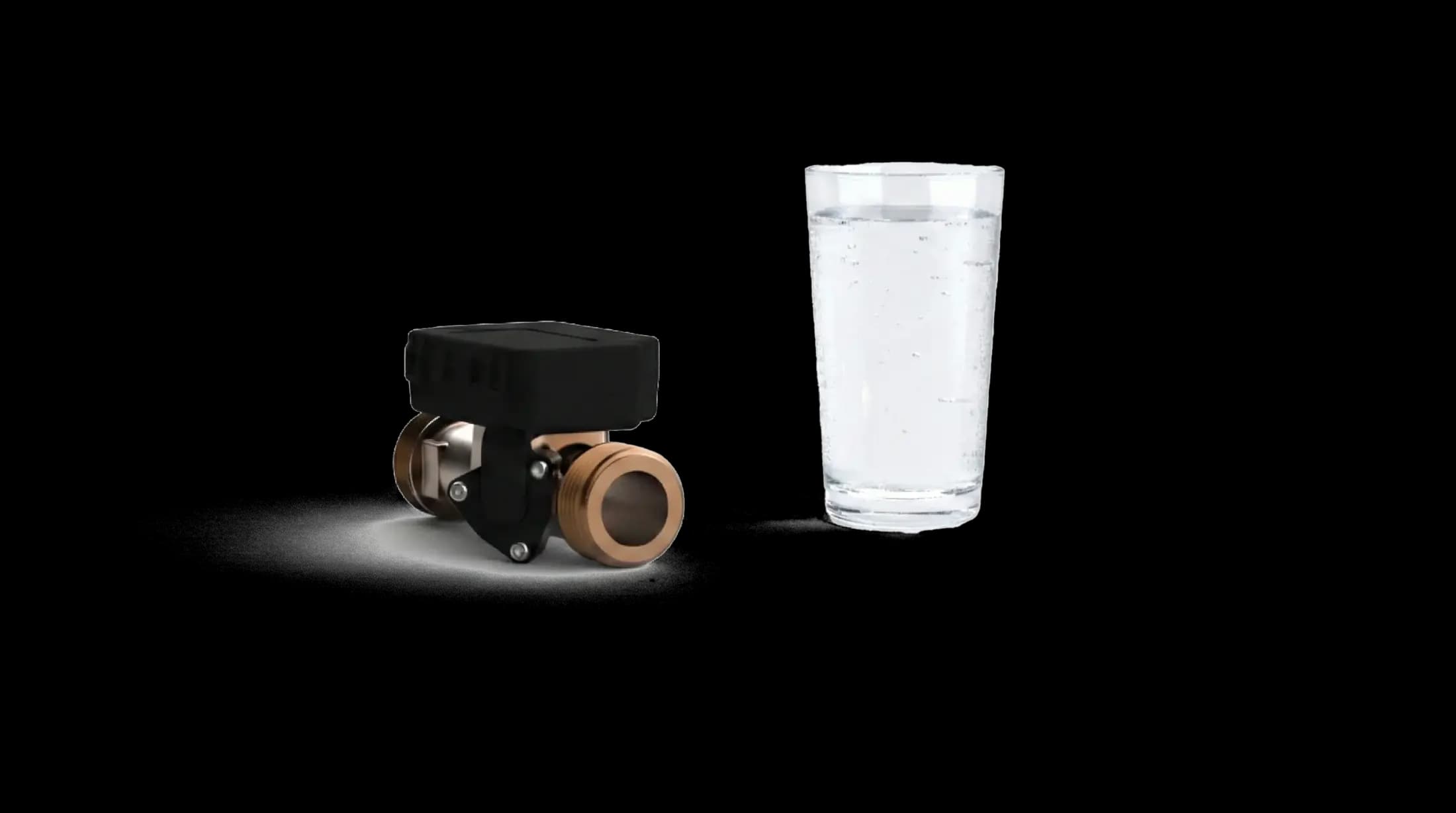
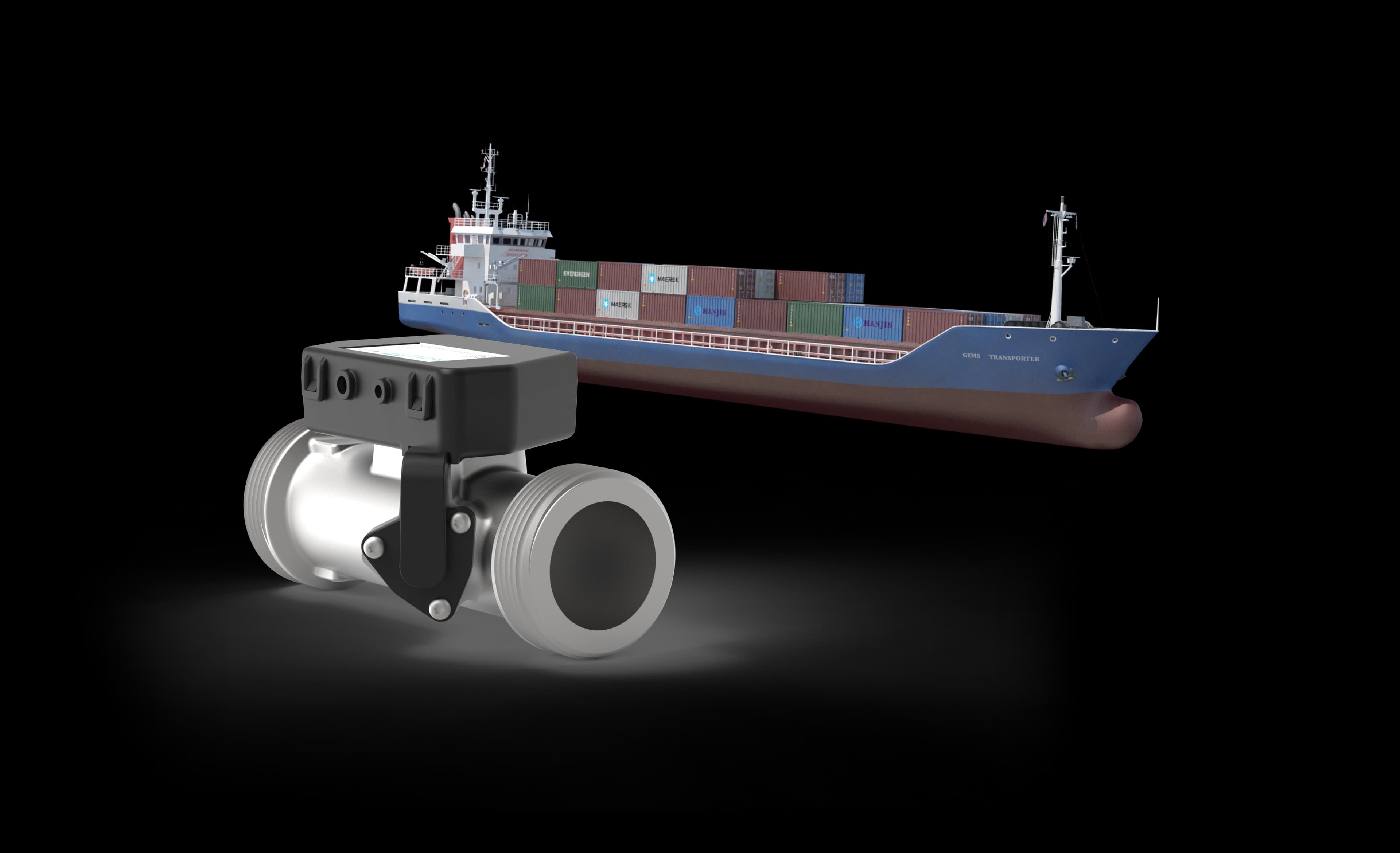
Allengra’s Ultrasonic Flowmeter Solutions use multiple features, such as speed of sound, acoustic detection, temperature, and pressure, to characterize what is flowing through the pipe. Whether the fluid is clean irrigation water, a fertilizer solution, a pesticide concentrate, a slurry, biogas condensate, compost leachate, AdBlue, hydraulic fluid, or milk, the meter reads without any moving parts. There are no sensitive wetted components to corrode, foul, or wear, so the same meter handles both aggressive agrochemicals and food-grade dairy lines. The non-contact architecture means highly corrosive, particle-laden, or viscosity-variable fluids, like compost leachate or aquaculture water, do not degrade measurement accuracy over time.
Reducing Consumption
Reducing Consumption Reducing fuel, water and nutrients consumption
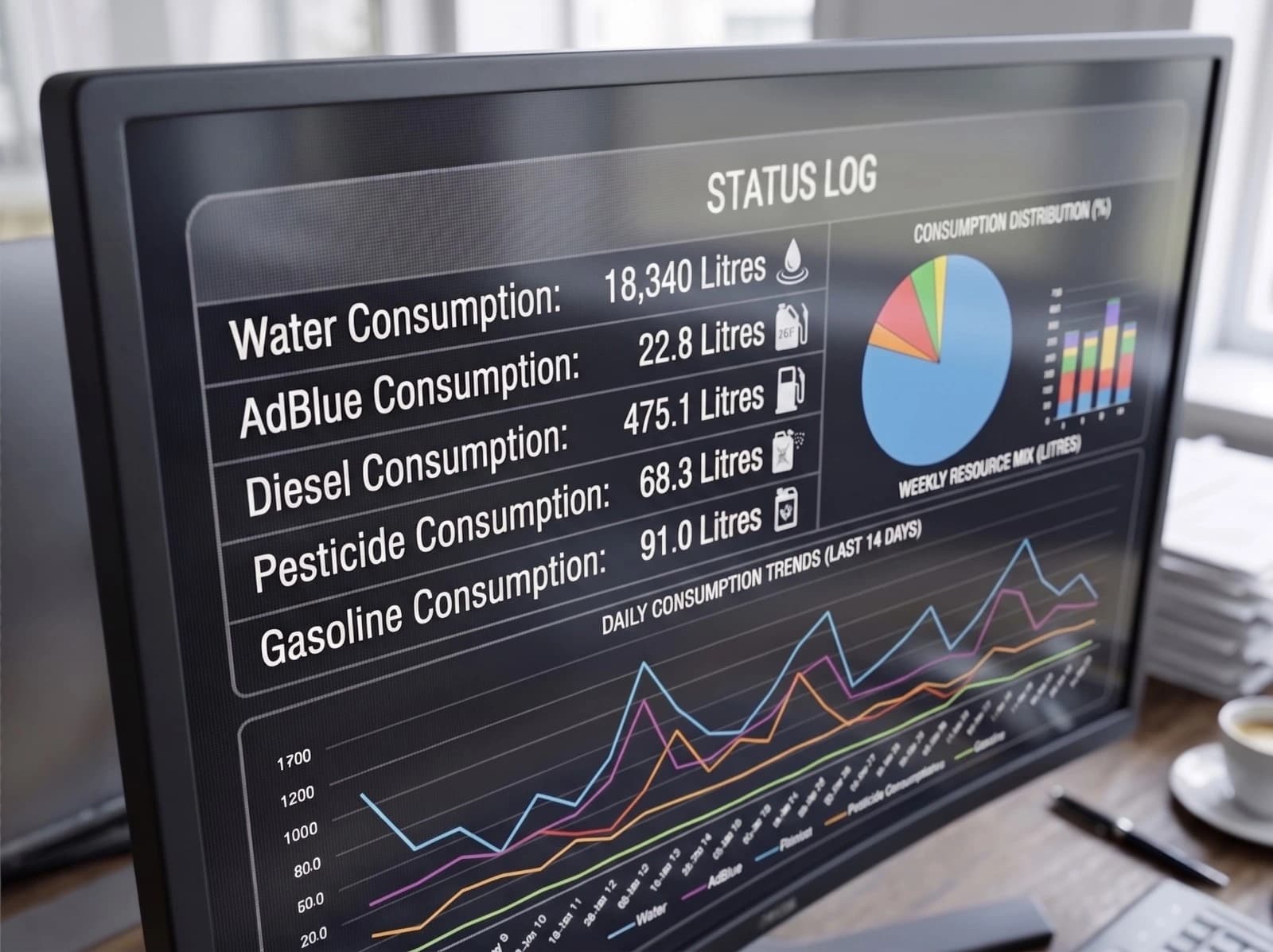
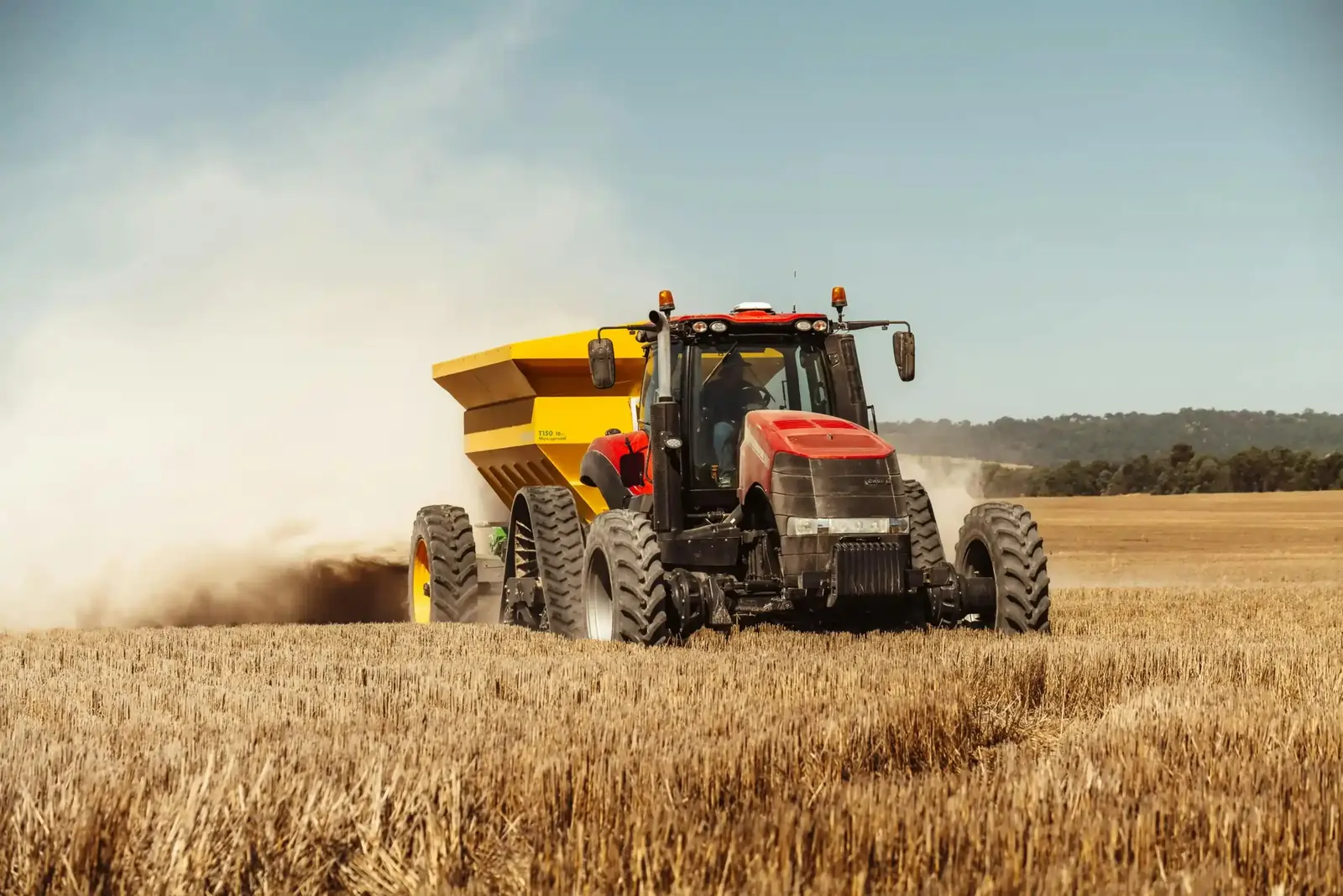
Flow metering makes consumption visible and measurable across every point in the operation. In irrigation, the difference between what left the pump station and what arrived at the field reveals losses nobody budgeted for, but everyone pays for. In greenhouse hydroponics and vertical farming, flow metering gives operators exact consumption figures per tray, per level, and per crop cycle, making resource efficiency auditable rather than theoretical. In livestock operations, per-line flow data builds a daily water consumption baseline for each house or group; deviations from that baseline signal disease, temperature problems, or water quality issues before they are visible any other way. In fuel and AdBlue lines on tractors and machinery, flow metering on each line gives an exact consumption figure per machine and per task. When one machine starts drawing significantly more than its baseline for the same workload, a mechanical fault is developing, and the data flags it before it becomes a breakdown in the field.
Nutrient Dosing
Dosage, Mixing, and Fertigation
The speed-of-sound channel detects changes in fluid composition in real time. Fertilizer dissolved in water shifts the acoustic signature, and the meter reads that shift continuously, giving exact concentration at every point in the network without lab sampling or manual EC probes. If the fertilizer tank runs low and concentration drifts below target, the system automatically increases the injection pump rate to compensate, eliminating the overdosing that results from guessing. Fertilizer savings of 15–25% follow from the removal of that margin. The same principle applies to pesticide and herbicide mixing: concentration is confirmed at the point of application, not at the tank, so the label rate is what the crop actually receives. When real-time data confirms what is leaving the nozzle, operators stop running heavy "just to be sure," cutting both chemical spend and environmental load. In dairy CIP cleaning, the same closed-loop logic cuts hot water use by 20–30% and chemical consumption by 15–25% by ending cycles on evidence rather than timers. Bubble detection in venturi injectors catches air events that silently drop the dose to near zero, a failure that, on a conventional system, produces no alarm and only becomes visible when the expected treatment response does not materialize days later.
Monitoring Pressure
Measuring pressure across different domains and liquids
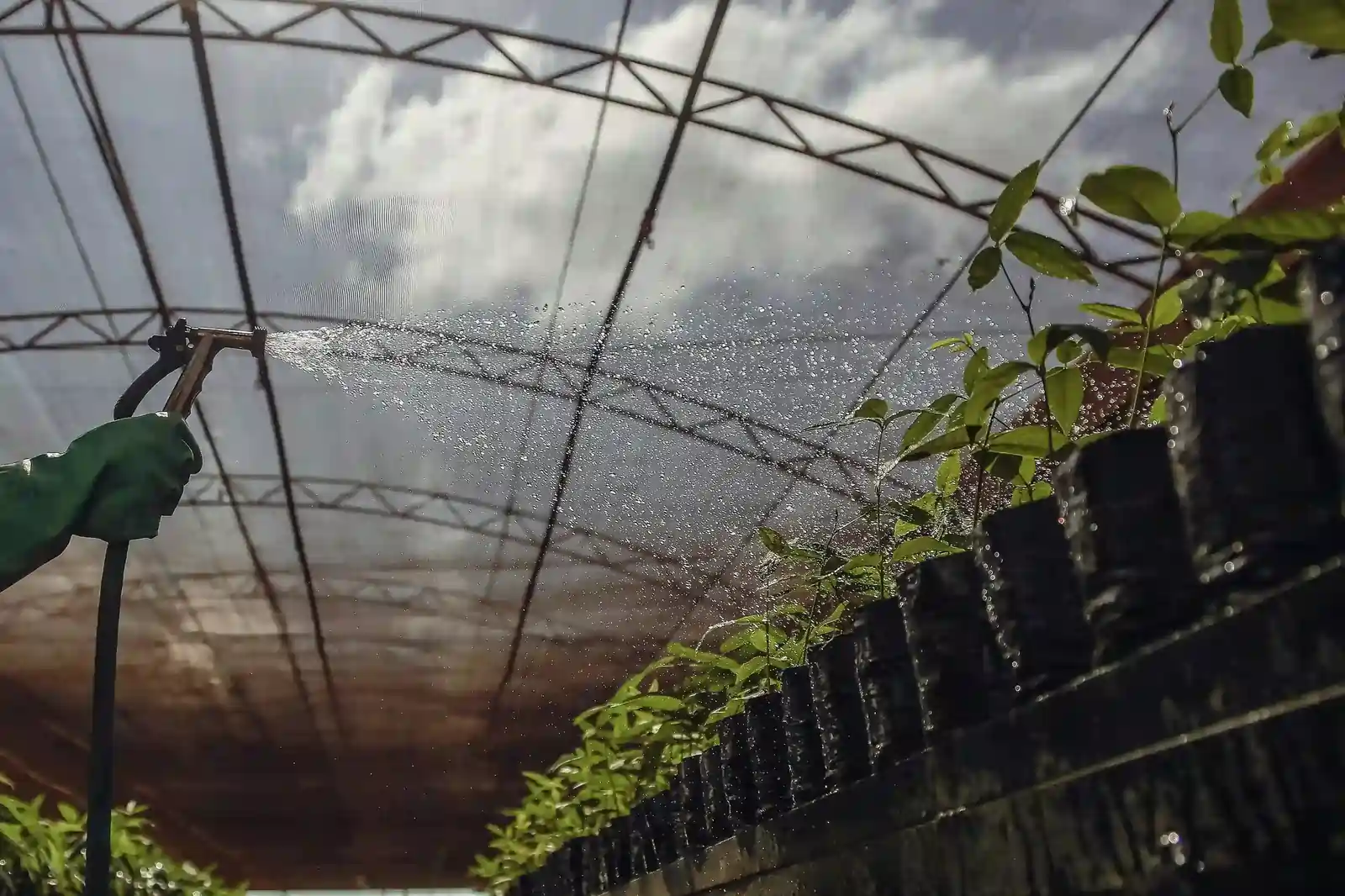
Pressure monitoring runs across every application in the system. In irrigation, upstream pressure buildup signals a clogged emitter before the plant suffers. In sprayer boom systems, pressure differences across sections identify the exact blocked nozzle rather than requiring a full boom inspection. In livestock drinking lines, pressure imbalances reveal which nipple drinkers are underdelivering and whether animals at the far end of a header network are water-limited. In dairy milk pipelines, pressure and acoustic data together identify liner failures and air ingestion events hours before laboratory confirmation. In hydraulic circuits on tractors, flow combined with pressure gives a real-time efficiency ratio: when that ratio degrades, a seal or pump fault is flagged before it becomes a field breakdown. In biogas systems, pressure monitoring detects blockages before they become full stoppages, and in composting leachate collection, it confirms the pump is moving material through at the correct rate.
Providing an Audit Trail
Providing data to monitor and rely on
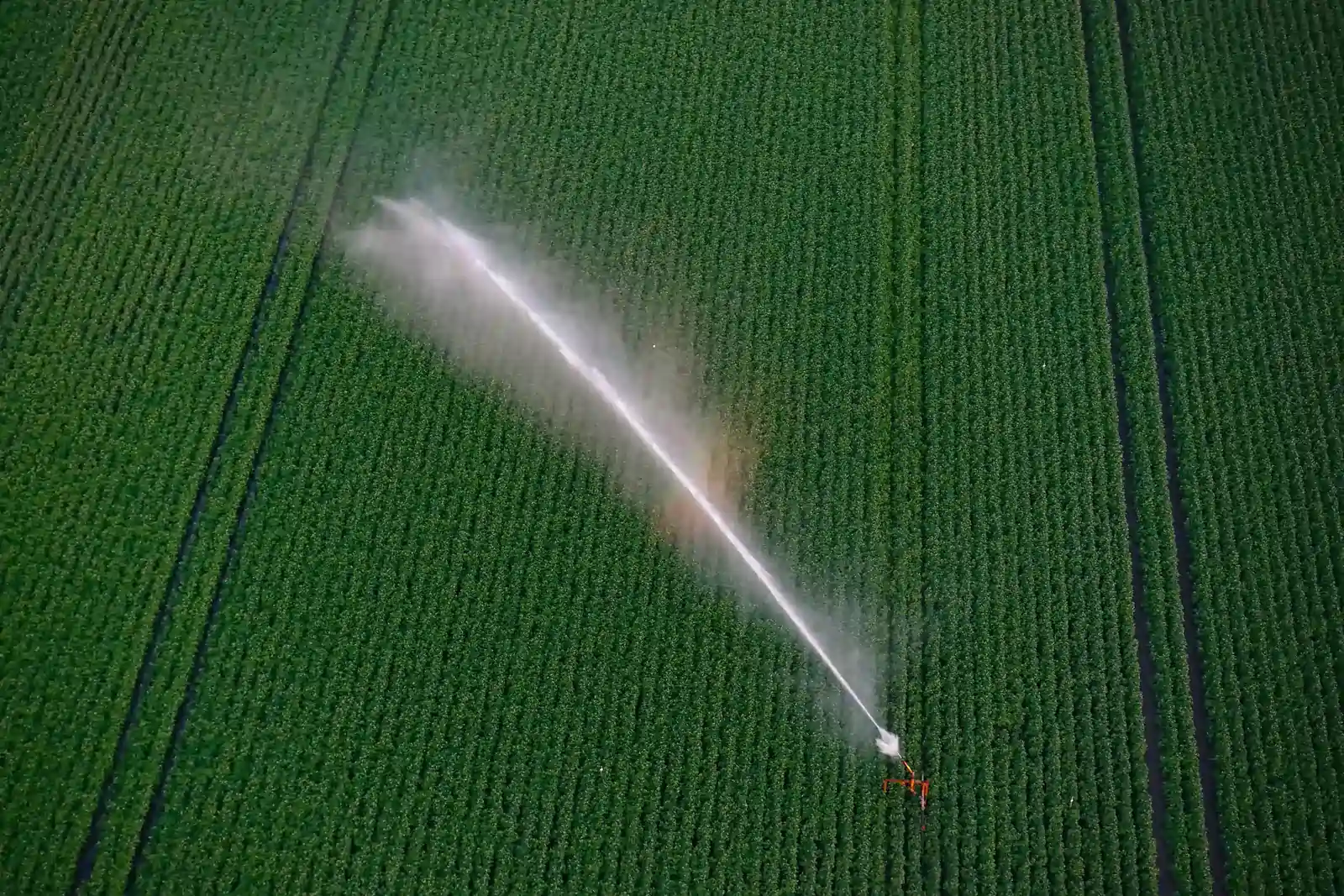
Every measurement, like concentration, volume, flow rate, pressure, temperature, zone identifier, timestamp, is logged continuously and fed directly into external records via Modbus or the farm's application log, without manual entry. In pesticide and herbicide application, every spray cycle is documented with what concentration actually left the nozzle, not what was intended. If a residue question arises at the market gate or a regulatory inspection requires application records, the data is already there, complete and timestamped from the point of application. In dairy CIP, every cleaning cycle produces a verified digital record of temperatures, chemical concentrations, and rinse completeness, ready for food safety audits. In chemical filling for drones or field sprayers, the fill log records chemical identity, concentration, volume dispensed, machine identifier, and timestamp automatically. In wastewater and effluent discharge, every event is logged from first flow to last, including backflow events that would otherwise go unrecorded, keeping the farm within permitted limits with no extra administrative work. The audit trail is not a separate reporting function; it is a byproduct of the measurement itself.