Ultrasonic and mechanical flow meters part ways on the measures that decide whether a meter survives on a farm: accuracy held over time, the span of flow it can read, the pressure it costs the line, and how many different fluids one instrument can handle. An ultrasonic transit-time meter keeps its reading because nothing inside it wears. A turbine, impeller, or positive-displacement meter loses accuracy as its moving parts foul, and each is calibrated for one clean fluid at a time.
Ultrasonic flow meters outperform mechanical (turbine/impeller/positive-displacement) meters in agriculture because they have no rotor wearing in the fluid, hold calibration across clean water, fertilizer, pesticide, slurry, AdBlue and milk with no recalibration, read relative concentration from the speed-of-sound channel, and catch venturi air ingestion that a mechanical meter would log as a completed dose.
Context on agricultural fluid diversity
Modern farms handle clean water, fertilizer solution, pesticide concentrate, slurry, AdBlue, hydraulic fluid, milk, biogas condensate, and compost leachate. Mechanical meters were built for clean, stable fluids in controlled environments.
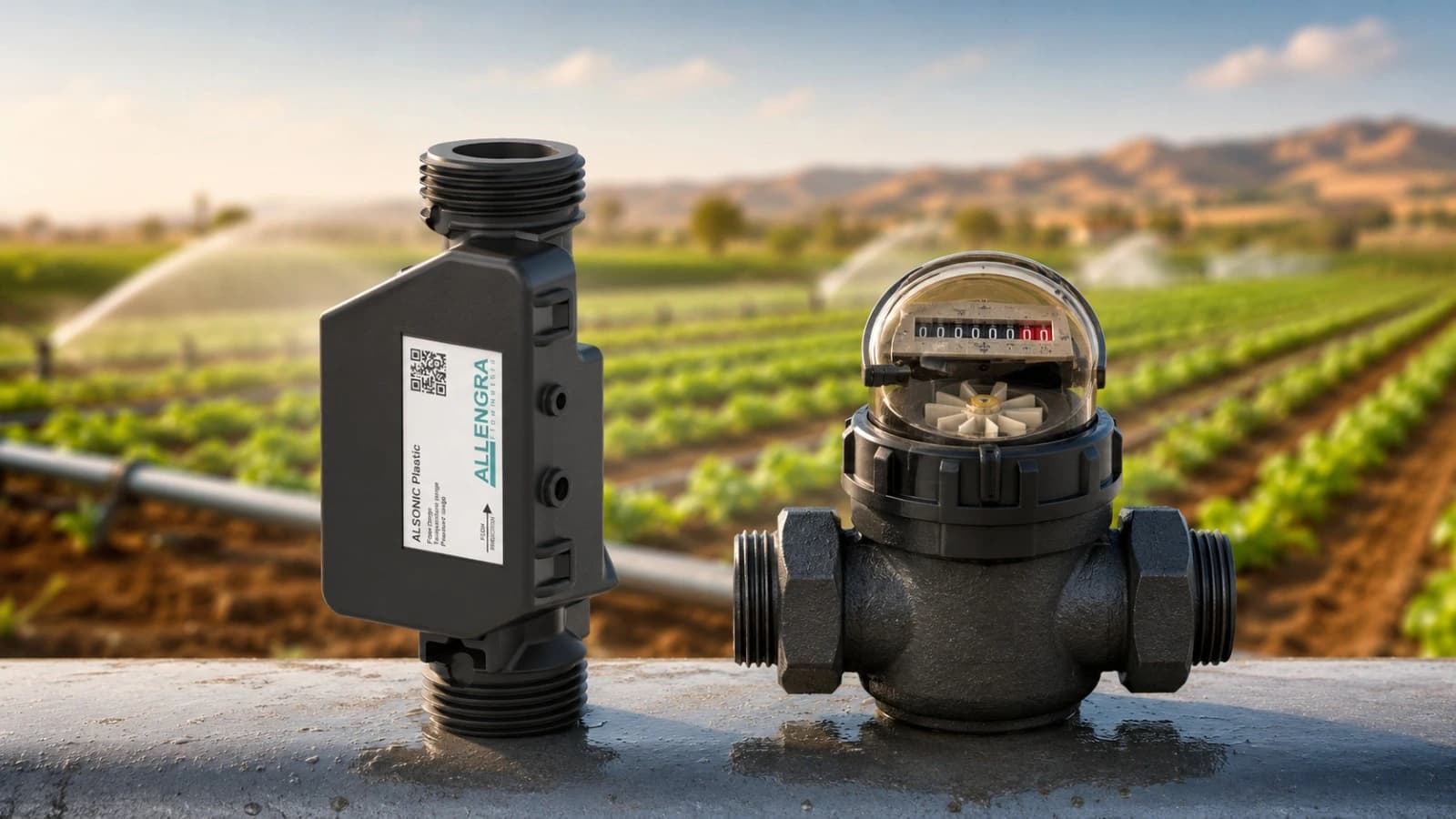
"Mechanical" is not one instrument. It covers the turbine meter, a rotor spun by the flow whose rotation rate is read as velocity; the impeller or paddle-wheel meter, a partial rotor that dips into the edge of the stream; and the positive-displacement meter, which counts fixed fluid volumes as they pass through moving chambers. All three keep a rotor or moving element in contact with the liquid, and all three work over a limited turndown ratio, the span between the highest and lowest flow a meter reads accurately, written as a ratio such as 100:1. Below that span they stop resolving low flows, which is exactly where slow dosing and small leaks show up.
Transit-time ultrasonic flow meter: A meter that calculates flow by timing high-frequency sound pulses sent with and against the liquid; the transit-time difference is proportional to flow velocity. With no moving parts and other obstacles in the fluid path, it adds no dead space, and it is wear-free.
Doppler ultrasonic flow meter: A meter that reads flow from sound reflected off bubbles or particles carried in the liquid. Doppler is the choice for heavily aerated or solid-laden streams; transit-time, which times the sound pulses themselves, is the choice for the clean to moderately loaded fluids that make up most agricultural metering, and it is the method used in the comparison that follows.
Speed-of-sound concentration sensing: Sound travels at different speeds through different fluids, so the same ultrasonic sensor reads the fluid's acoustic signature alongside the flow. For a known fertilizer-in-water mix at a controlled temperature, which gives a relative concentration indication, not just a flow rate.
Why do mechanical flow meters fail with agricultural fluids?
Every mechanical meter fails in the same place: the moving part that touches the fluid. What differs is how fast, and each subtype has its own weak point:
Turbine meter: the rotor rides on bearings that dissolved salts and abrasive solids foul and wear, so its calibration walks off across a season.
Impeller or paddle-wheel meter: a partial rotor is exposed at the edge of the stream, where surfactant-laden pesticide concentrate attacks the seal and bearing that hold it.
Positive-displacement meter: tight clearances between moving chambers get scored by fine particles in slurry or leachate until the counted volume no longer matches the real one.
Fertilizer solutions carry dissolved salts that deposit on moving components. Pesticide concentrates contain surfactants and active compounds that attack seals and bearings. Slurries and leachate carry fine particles that abrade the rotor and shaft. Biogas condensate corrodes metal parts from the inside.
The rotor mass changes as deposits build, bearing friction rises as wear progresses, and the relationship between rotation rate and flow volume changes with it, but the meter keeps reporting as if it were still accurate.
The damage shows up first at low flow. A worn or fouled mechanical meter loses resolution at the bottom of its turndown range before anyone notices a problem at full flow, so the slow fertigation dose and the small leak, the flows that matter most for chemical accuracy and loss detection, are exactly what it stops resolving reliably. A meter rated for a limited turndown that has already drifted no longer holds even that narrower span.
An ultrasonic meter measures acoustically with transducers outside the flow path: no bearings, no rotor, no wetted parts that wear or accumulate deposits. Because nothing in the acoustic path touches the fluid, the sensor holds its accuracy across the same fertilizer, slurry, and pesticide that grind a rotor down, which is what makes robustness the deciding factor between the two technologies.
Ultrasonic vs. mechanical flow meters, side by side
The figures below are for transit-time ultrasonic meters, the type suited to agricultural fluids, set against the mechanical subtypes named earlier. The ultrasonic pressure-drop and turndown figures are Allengra's own measurements for its new-generation full-bore sensor; the mechanical entries describe how rotor meters behave as they run.
Criterion | Mechanical (turbine, impeller, positive-displacement) | Ultrasonic (transit-time) |
|---|---|---|
Accuracy over time | Drifts as deposits build and bearings wear, while the meter keeps reporting as if still calibrated | Holds, because nothing wears; Allengra's full-bore sensor is stated at 2 to 3% of measured value |
Turndown (low-flow range) | Narrow, and it shrinks further as the rotor fouls, so slow doses and small leaks fall below what it resolves | Wide; the new-generation sensor is rated 1:500 |
Pressure drop at 2000 litres per hour | About 390 mbar for an impeller | About 7 mbar for the full-bore design, versus about 130 mbar for a standard ultrasonic meter, so pumps work less |
Wetted moving parts | Rotor, bearings, and shaft in constant contact with the fluid | None; transducers read from outside the flow path |
Multi-fluid handling | Calibrated per fluid; needs correction or replacement to move between water, fertilizer, and agrochemicals | One instrument across water, fertilizer, pesticide, slurry, AdBlue, and milk with no recalibration |
Maintenance | Periodic recalibration and part replacement as wear progresses | No wear parts to service or recalibrate between fluids |
Cost of ownership | Lower to buy, higher to run once recalibration, replacement, and wrong-calibration risk are counted | Higher to buy, lower to run; low pressure drop also cuts pumping energy (a modeled 74% reduction, about 1550 kWh over 15 years, on Allengra's new-generation sensor) |
Metrology note: water-meter accuracy is governed by OIML R49 and the identical dual-logo standard ISO 4064, which set accuracy classes (Class 1 tighter, Class 2 wider) and express a meter's usable range as the ratio of permanent to minimum flow (Q3 to Q1) across the flow points Q1 to Q4. A wider ratio means the meter still reads accurately at low flow, which is the property agricultural dosing depends on.
Decision cue: choose ultrasonic when the line carries more than one fluid, runs dirty, abrasive, or aerated streams, needs accurate low-flow dosing, or has to log for traceability. A single clean-water line at steady flow, with low stakes if it drifts, can still be metered mechanically.
How does a 3% dosing drift turn into a yield loss?
A mechanical meter that has drifted 3% in either direction produces a solution 3% richer or leaner than intended. Across a crop cycle that compounds: in high-value horticulture, a sustained 3% nutrient imbalance is enough to affect yield, uniformity, and quality, and it shows up in the pack house, not at the sensor.
First, the measurement does not drift over time because there is nothing to wear out. Second, the speed-of-sound channel detects changes in fluid composition in real time: fertilizer dissolved in water changes the acoustic signature, giving a relative concentration indication for a known mix under controlled temperature.
This also applies to pesticide and herbicide mixing concentration, which is confirmed at the point of application, not at the tank, so operators stop running heavy "just to be sure," cutting both chemical spend and environmental load.
Can a flow meter detect air ingestion through a venturi injector?
Yes, and this is a failure mode that leaves no trace in a mechanical system. When an air event in a venturi (a pressure drop, a supply-line problem, a tank running dry) interrupts the suction, the venturi stops injecting. A mechanical flow meter keeps reporting flow because it measures bulk water movement through the main line, not the chemical entrained in it.
The application record shows a completed treatment, yet the crop received near-zero active ingredient with no alarm generated.
An ultrasonic meter with acoustic gas-bubble detection catches it in real time: an air-entrained stream has a distinct acoustic signature, so the sensor flags the transition, writes it into the application log, identifies the affected field area, and lets retreatment be scheduled instead of the failure surfacing days to weeks later.
How does an ultrasonic sensor verify CIP cleaning phases in dairy?
Dairy milk pipelines and clean-in-place (CIP) systems are a different challenge: the fluid is food-grade, hygiene is regulatory rather than optional, and the tasks include cycle verification and chemical-concentration tracking, not just metering.
Milk-pipeline monitoring with ultrasonic sensors gives continuous flow data in a closed system without the fouling and calibration drift that mechanical meters suffer under heavy milking schedules, while integrated pressure data adds an early-warning layer for liner failures and vacuum-system air ingestion.
During CIP cycles, the same sensor tracks the product to detergent to rinse transitions by monitoring the acoustic properties of the flowing medium: because detergent has a different speed of sound than water and milk, the sensor knows which phase the cycle is in, not what the timer says.
Endpoints based on real measurements rather than fixed timers reduce hot-water and chemical use because cycles end when they are complete.
What flow data do EU chemical-application traceability rules require?
Agricultural chemical-application traceability requirements are tightening across European markets, and the direction is toward documented proof of what was applied, at what concentration, to which field, and at what time.
For operators working with paper-based or manually entered records, the difference between what was intended and what can be verified is significant.
An ultrasonic sensor logs every measurement continuously, concentration, volume, flow rate, pressure, temperature, zone identifier, and timestamp, and feeds it to external records over Modbus or the farm's management system.
A pesticide record generated from actual sensor data contains the concentration that left the nozzle, not the concentration mixed in the tank.
If a residue question arises at the market gate or an inspection requires documentation, the data already exists to the specificity the regulation demands. The same logic covers drone and sprayer chemical-filling logs and wastewater discharge monitoring, including backflow events a manual record would miss.
Why use one ultrasonic meter for every farm fluid?
The argument that consolidates all of the above is simple: a transit-time ultrasonic meter does not need to be a different instrument for different fluids. The same principle handles clean water, fertilizer solution, pesticide concentrate, milk, AdBlue, slurry, and leachate without modification and without recalibration between fluids.
A turbine meter calibrated for water does not accurately measure fertilizer solution without correction for viscosity and density; one calibrated for a specific agrochemical needs replacing or recalibrating for another. Over the course of a season that handles many fluids, the overhead of managing multiple calibrated mechanical meters, in money, time, and the risk of applying the wrong calibration to the wrong fluid, is a real cost.
Mechanical meters have not stopped earning their place. On a dedicated line that carries one clean fluid at steady flow, where a percent of drift costs nothing, a turbine or impeller meter is cheaper to buy and accurate enough, and there is no case for replacing it. The single-platform argument is strongest on the farms that are the opposite of that: many fluids, dirty streams, low-flow doses, and records that have to hold up.
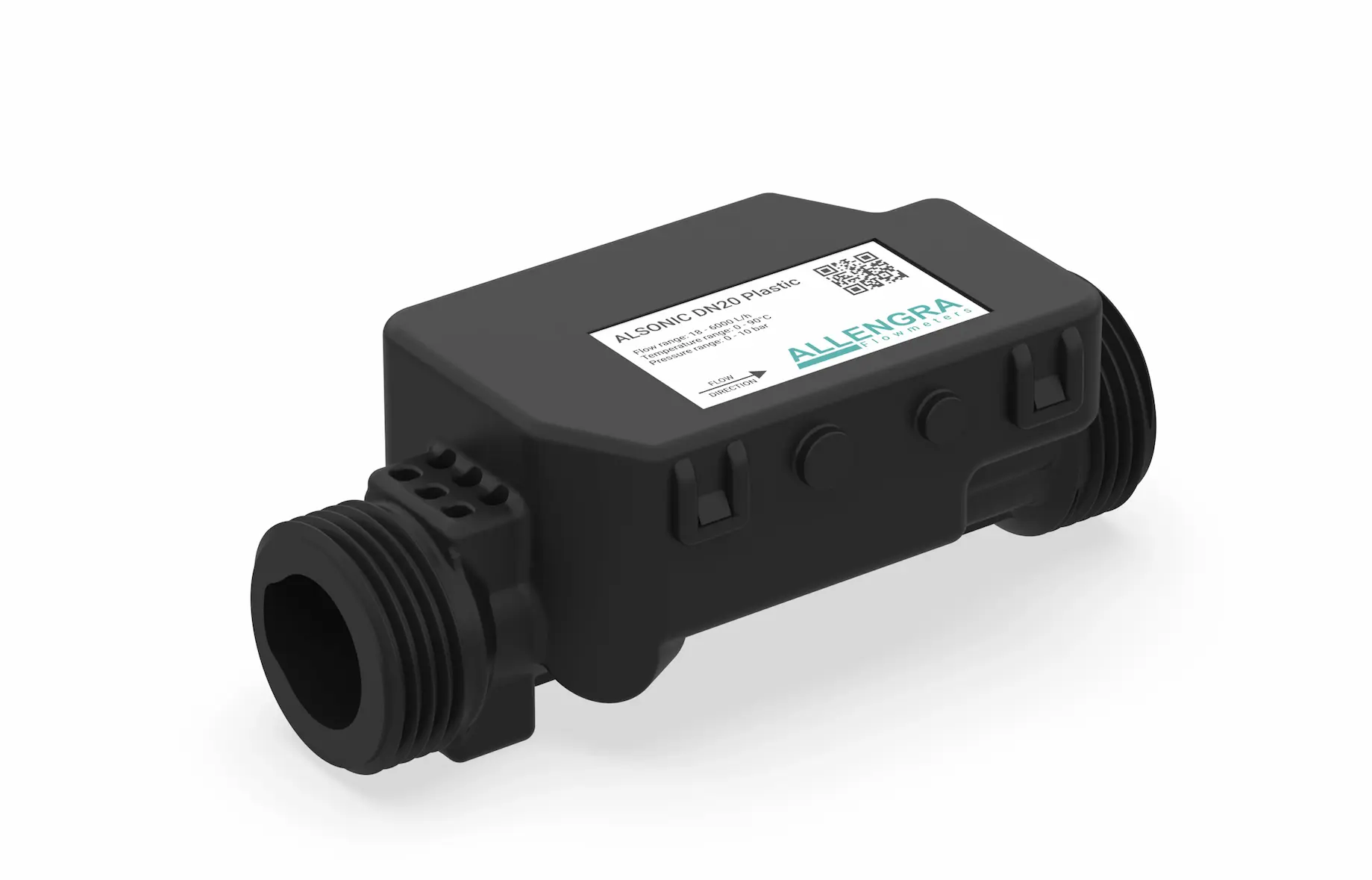
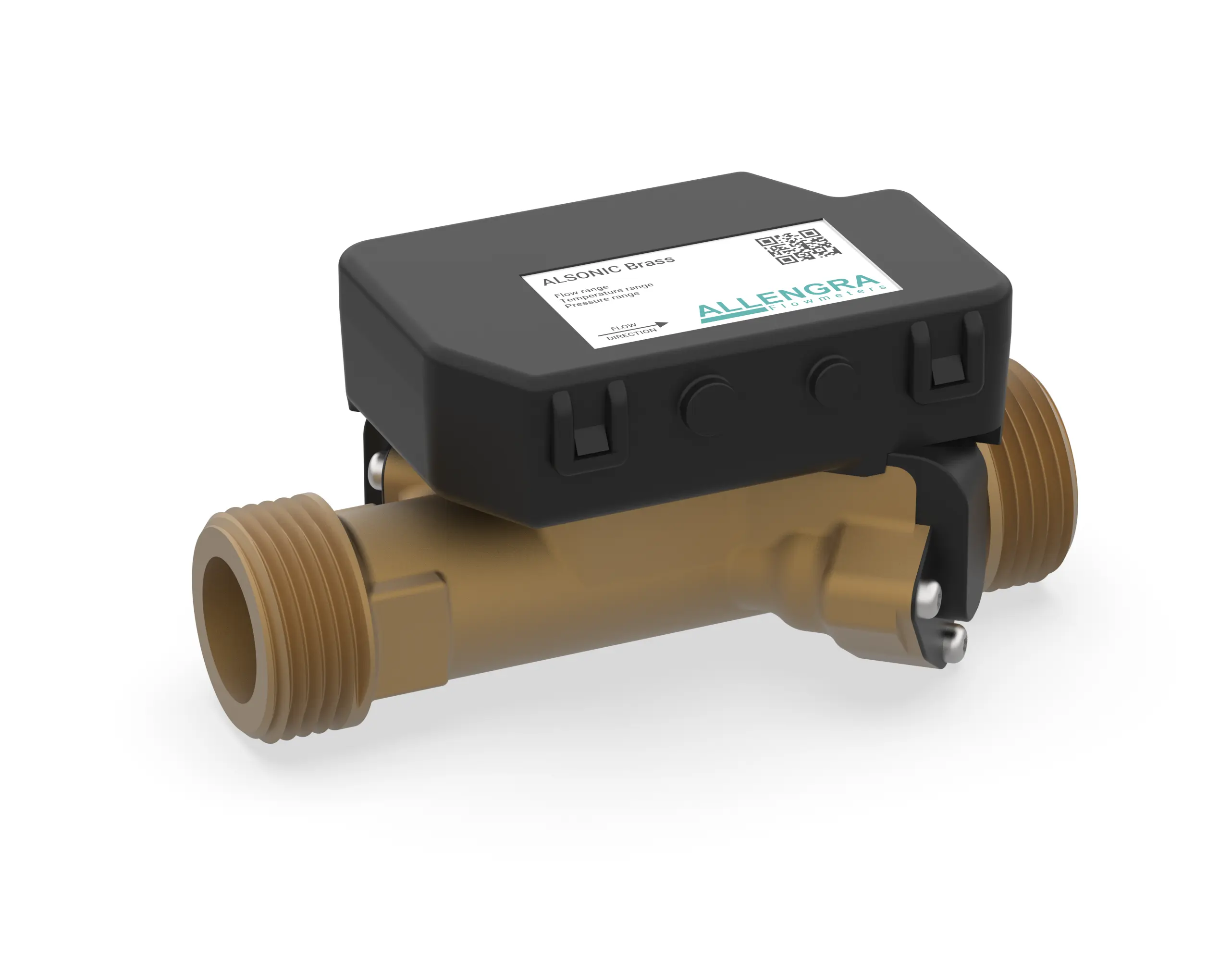
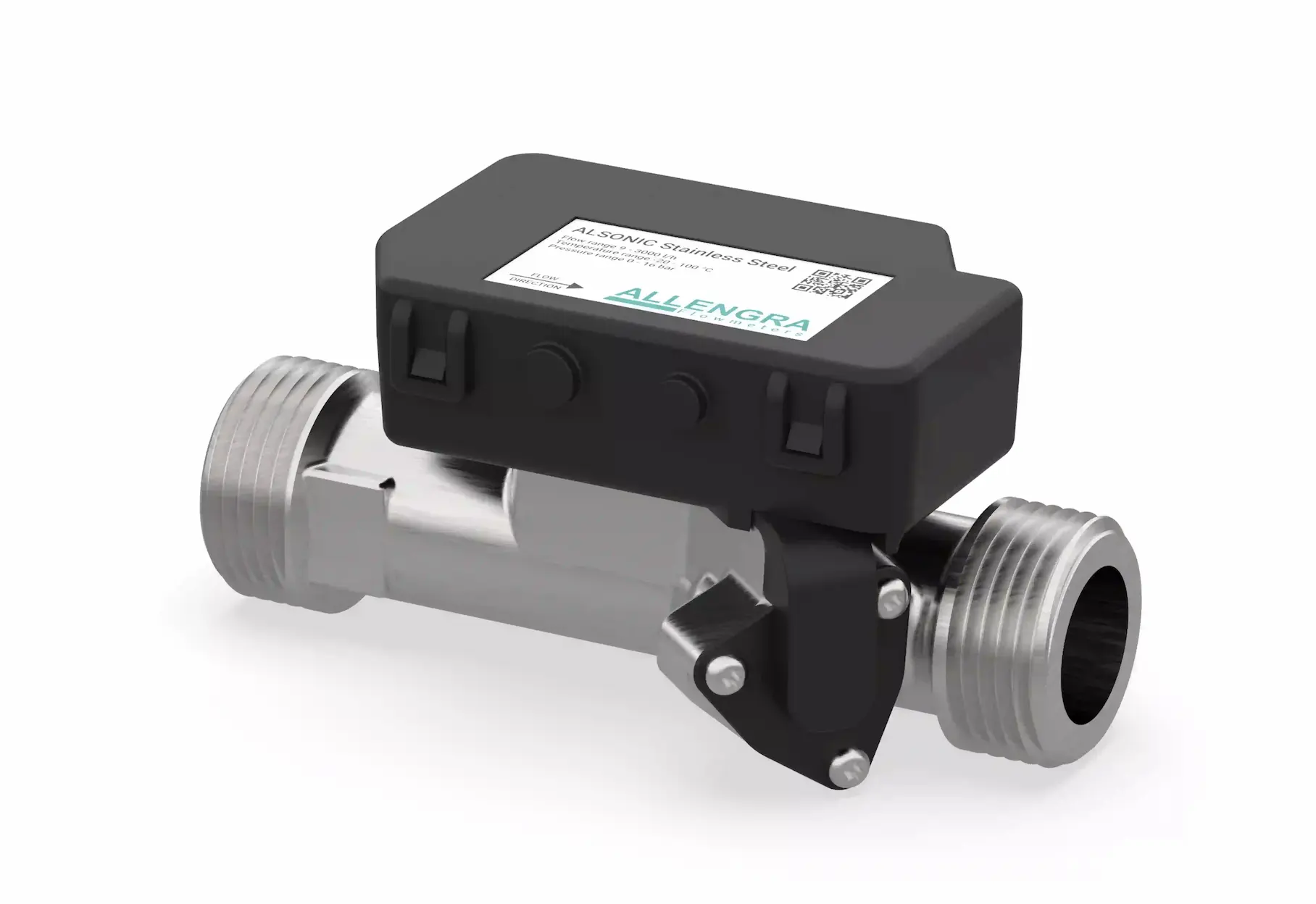
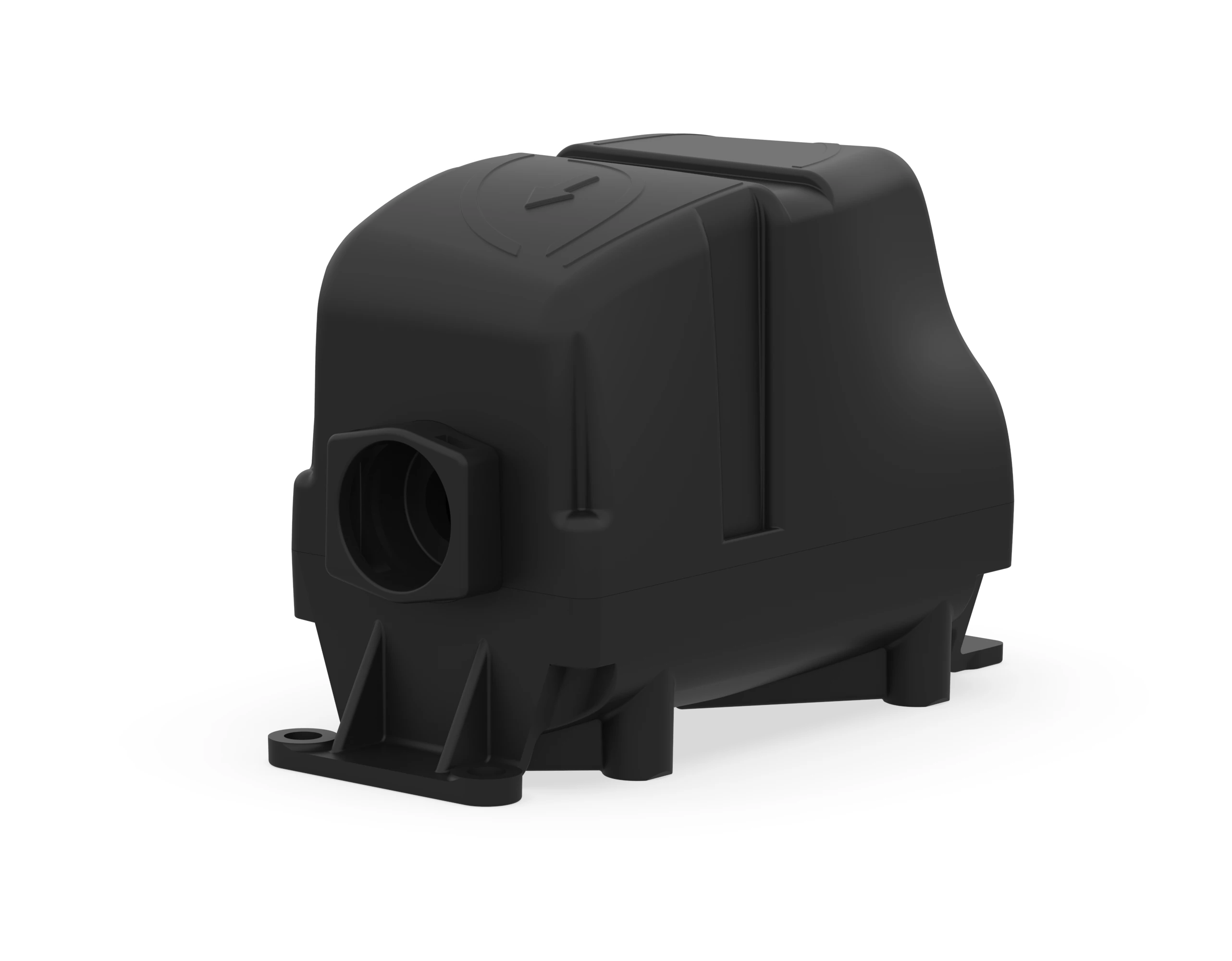
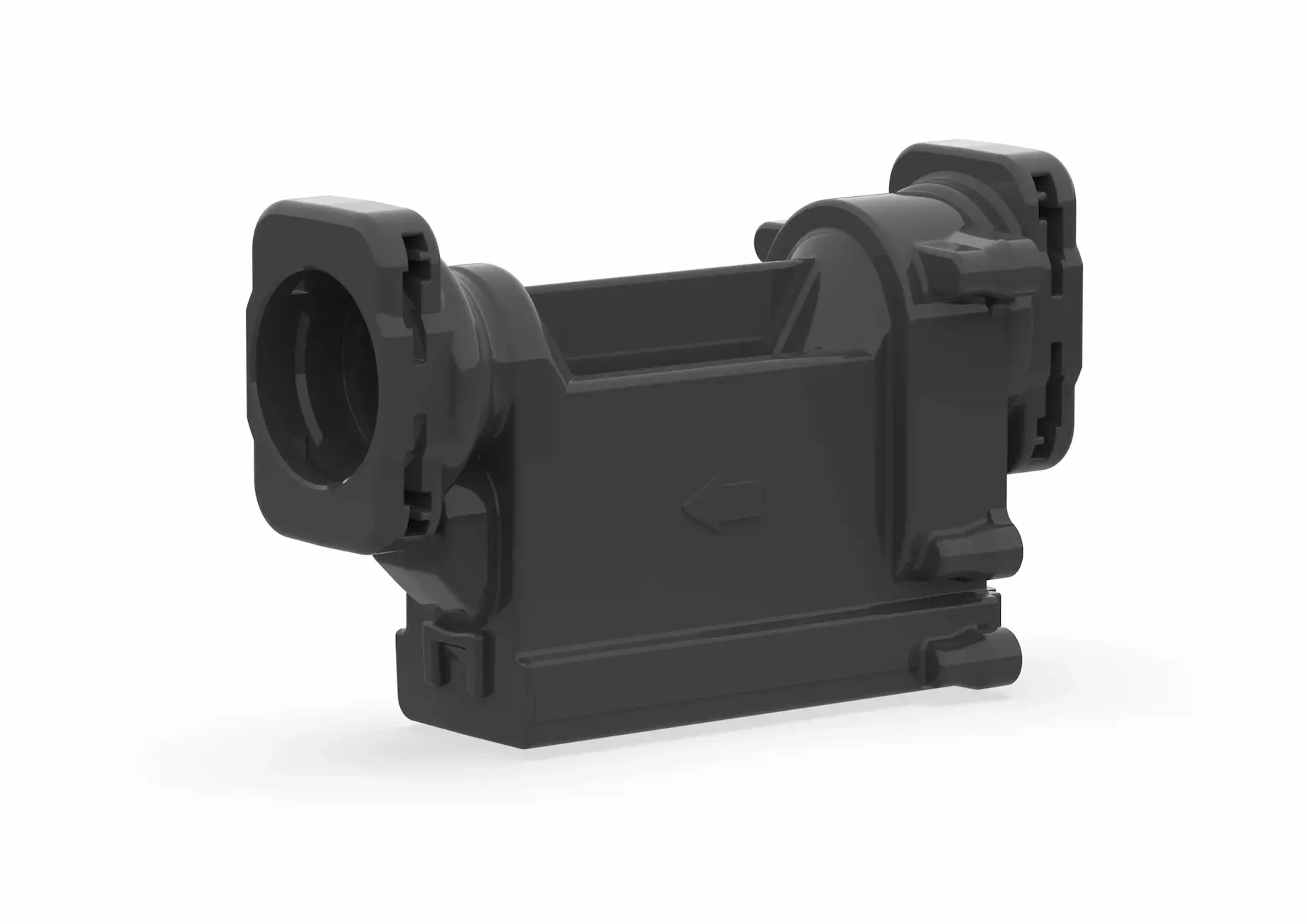
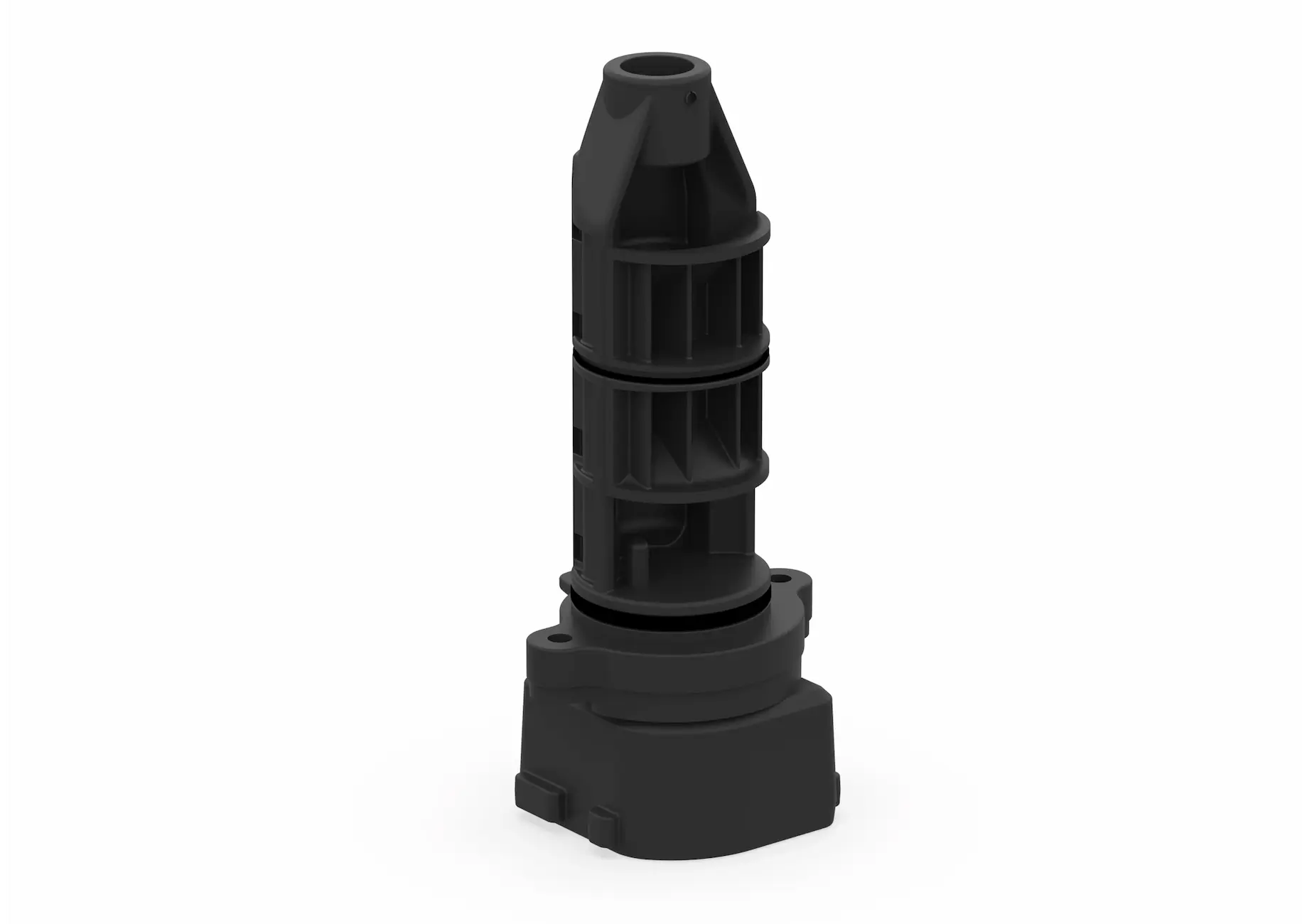
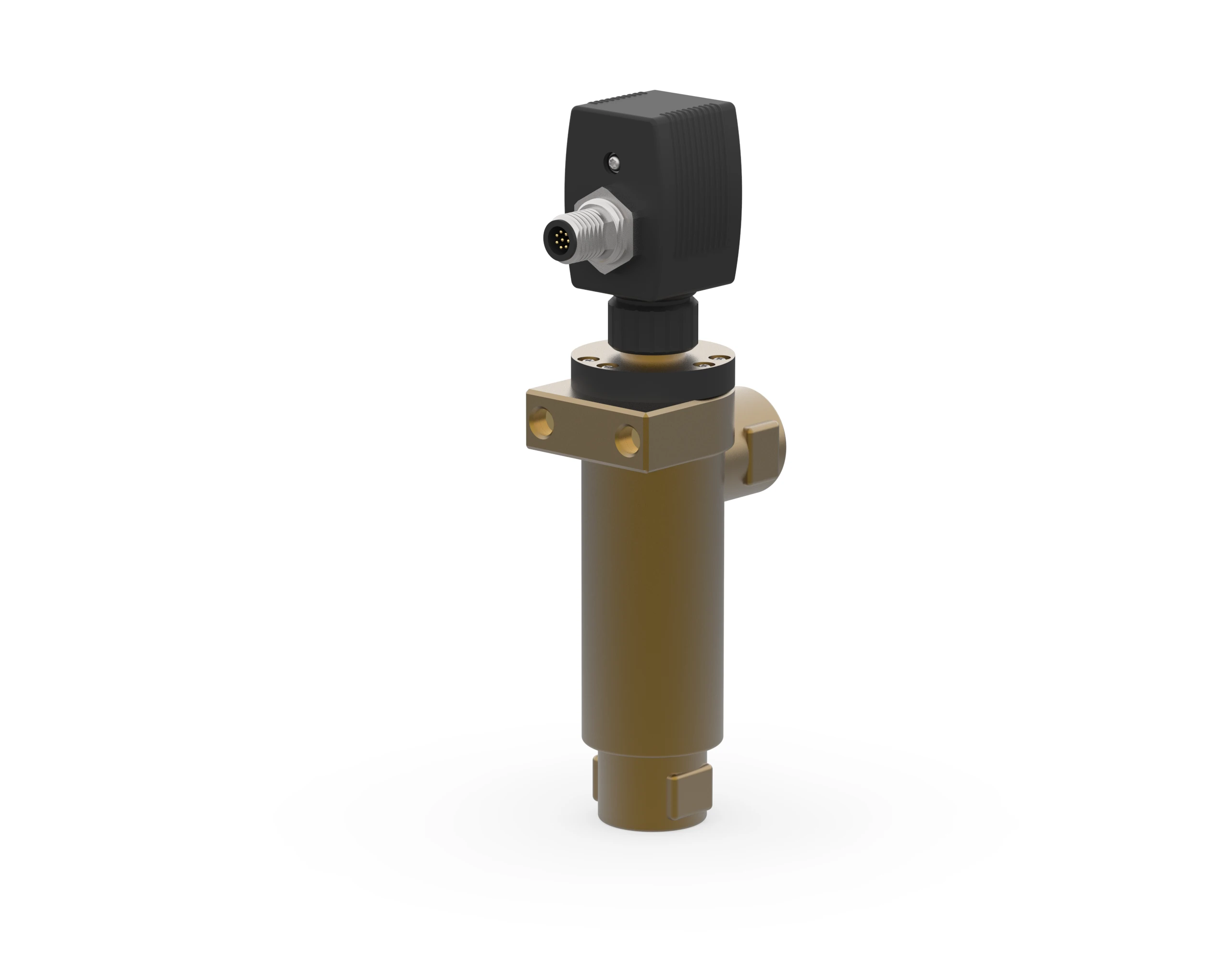
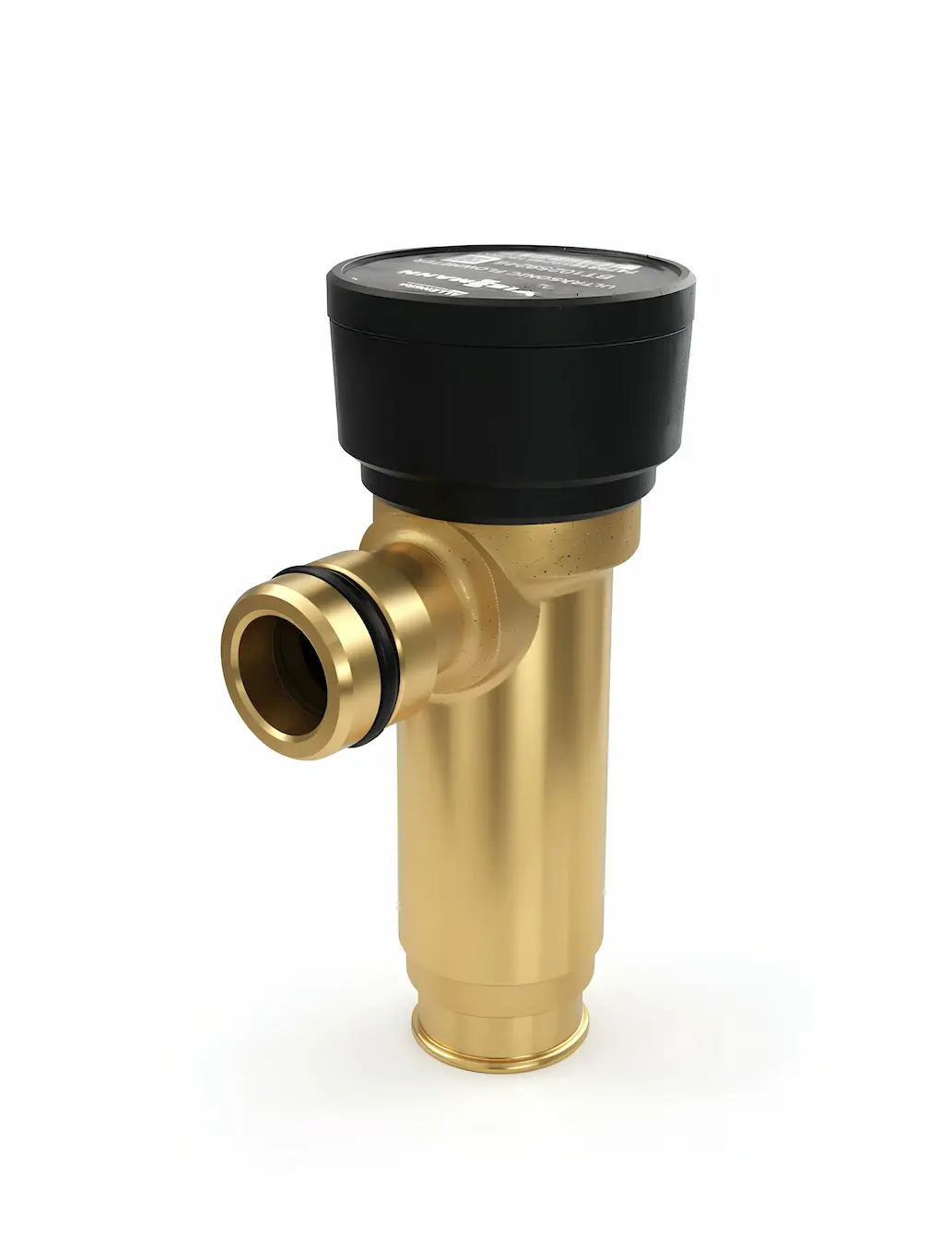
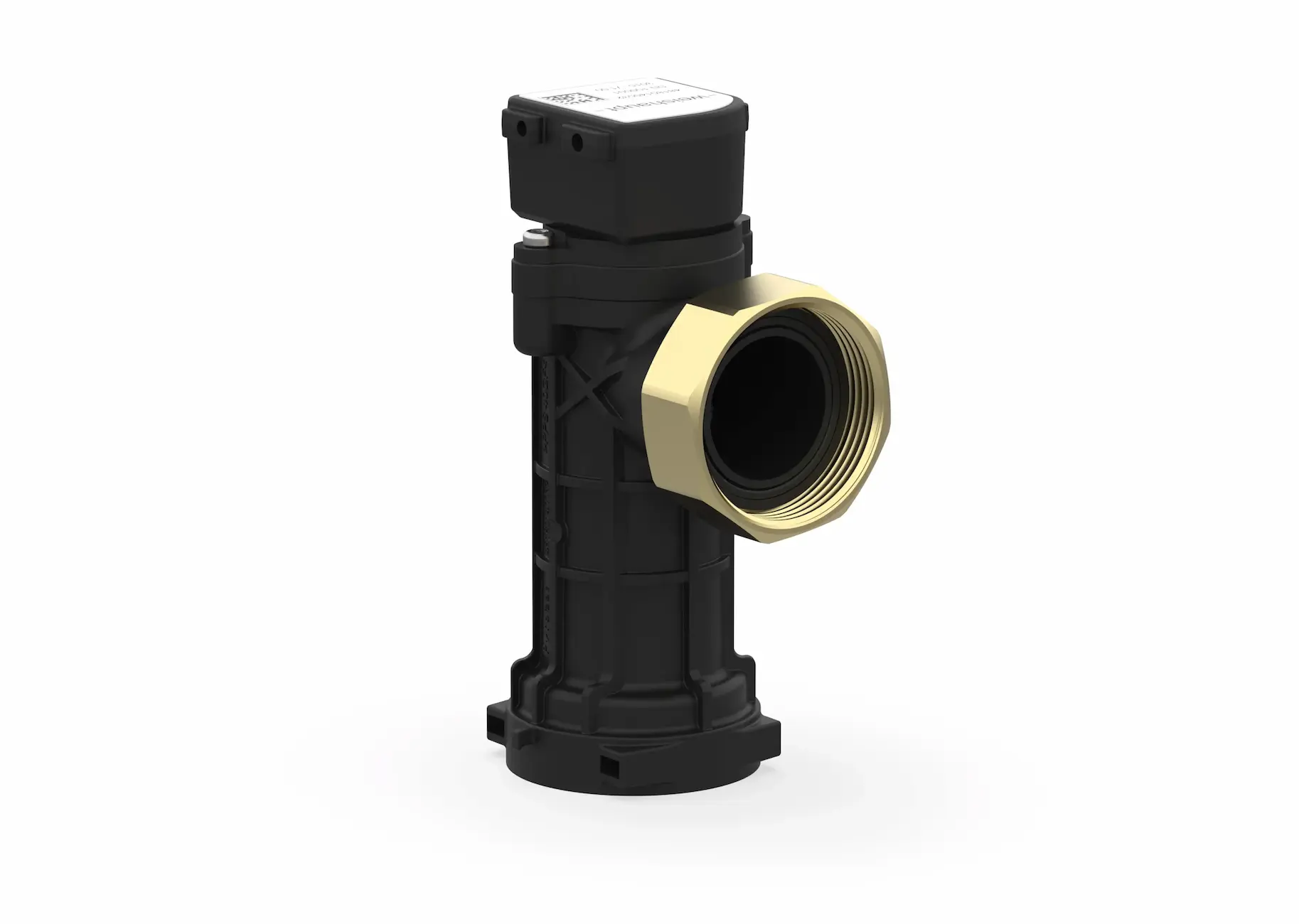
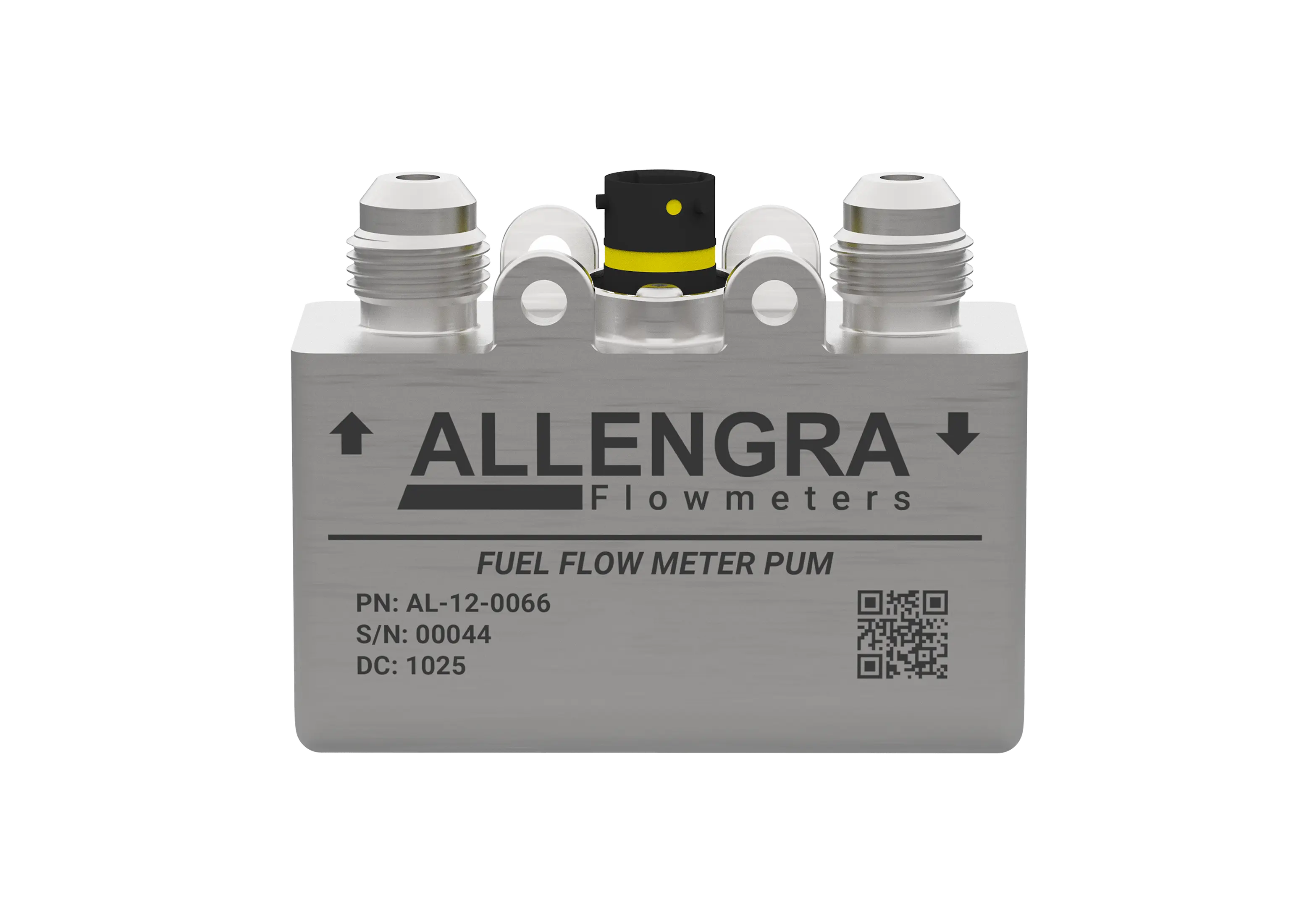
Allengra's ultrasonic platform spans DN15-DN50 in brass and plastic and DN15-DN20 in stainless steel, with integrated temperature, pressure and digital (Modbus) output. The same technology serves irrigation monitoring, dairy milk pipelines, agrochemical dosing and tractor fuel-consumption measurement within a single vendor relationship and a single measurement principle; the full application range is set out on the ultrasonic flow meters for agriculture page.
Ultrasonic is the default across multi-fluid farms; mechanical only holds in a single clean, stable, low-stakes line.
One transit-time platform handles water, fertilizer, pesticide, slurry, AdBlue, milk, and leachate with no recalibration between fluids.
The speed-of-sound channel reads relative concentration; acoustic gas-bubble detection catches venturi air ingestion a mechanical meter logs as a success.
Continuous logs of concentration, volume, pressure, temperature, zone, and timestamp meet tightening EU chemical-application traceability rules.
DN15-DN50 brass and plastic, DN15-DN20 stainless, with integrated temperature, pressure and Modbus output.
For multi-fluid agricultural operations, such as fertigation, agrochemical dosing, slurry handling, dairy CIP, and farm-fuel metering, where robustness is a key factor, ultrasonic measurement is the technology to standardize on; mechanical-only systems survive only in a single clean, stable, non-critical line.