What are flow meters and how do they work?
Have you ever turned on your kitchen faucet and wondered how the water company knows exactly how much to bill you? Or maybe you've seen those massive industrial complexes with their labyrinth of pipes and thought, "How on earth do they keep track of all that stuff flowing around?" The answer lies in one of engineering's unsung heroes: the flow meter.
In this article, we’ll walk you through the fascinating world of flow meters. You'll discover what they are, how they work (spoiler alert: there's some cool physics involved), and which types might be perfect for your specific needs. By the end of this read, you'll have a new appreciation for these devices that quietly keep our modern world running smoothly.
What is a flow meter?
Simply put, a flow meter is a device that measures how much liquid, gas, or vapor is moving through a pipe or channel. Think of it as a speedometer for fluids instead of cars.
These ingenious instruments convert the physical movement of substances into readable data, giving operators the critical information they need to keep processes running efficiently. Without flow meters, industries from water utilities to oil refineries would be flying blind, unable to monitor or control what's happening in their systems.
Flow meters serve as the nervous system of fluid management, constantly sensing what's happening inside pipes and translating those physical sensations into numbers that humans and computers can understand and act upon. Not too shabby for devices that most people never even think about!
How do flow meters work?
The science behind flow meters is pretty fascinating when you get down to it. While there are many different types (we'll get to those soon), they all share a common purpose: detecting changes in the flowing substance and turning those changes into meaningful measurements.
Most flow meters capture physical data like pressure differences, mechanical movement, sound wave alterations, or electromagnetic effects. They then translate these physical phenomena into numerical values representing how much stuff is moving through the system.
Depending on what you're measuring and why, you'll see flow data displayed in different units:
Volumetric flow units: Think gallons per minute (GPM) or liters per second (L/s). These tell you about volume.
Mass flow units: Like pounds per hour (lb/h) or kilograms per minute (kg/min). These focus on weight rather than space occupied.
Velocity units: Such as feet per second (ft/s) or meters per second (m/s). These tell you how fast the fluid is moving.
Flow meter technology has come a long way over the years. We've gone from simple mechanical counters (picture an old-fashioned water wheel clicking along) to sophisticated electronic systems that communicate wirelessly with control systems and can measure multiple parameters simultaneously. Some modern flow meters can even tell you if there are bubbles in your fluid or if its composition has changed. Pretty smart for a pipe component!

Types of flow meters and their functions
One size definitely doesn't fit all in the flow meter world. In fact, there's a whole family of them, each with unique strengths and limitations. Let's break down the main players:
1. Differential Pressure Flow Meters
These are the veterans of the flow meter world, with principles dating back to the 1700s. (Yes, really!)
How they work: They create a restriction in the flow path and measure the pressure difference before and after this restriction. It's like putting your thumb partially over a garden hose and feeling how the pressure changes. The greater the flow, the greater the pressure difference.
Applications: These workhorses handle clean liquids, gases, and steam in all sorts of industrial processes where tried-and-true technology is valued.
Pros: They've been around forever, so everyone understands how they work. They're generally affordable and versatile enough for many applications.
Cons: They create a pressure drop (wasting energy), get confused if fluid density changes, and need plenty of straight pipe before and after to work properly. Not ideal if energy efficiency is your top priority.
2. Positive Displacement Flow Meters
I like to call these the "counting cups" of flow measurement because they literally count discrete volumes of fluid passing through.
How they work: Imagine little measuring cups on a wheel. Each cup fills with liquid, moves around, empties, and returns for a refill. By counting how many times the cups fill and empty, the meter knows exactly how much fluid has passed. Your home water meter probably works on this principle!
Applications: Billing applications, precise chemical dosing, and thick, sluggish fluids that would confuse other meter types.
Pros: Remarkably accurate even at trickle flows, excellent with syrupy fluids, and don't need much straight pipe run to work correctly.
Cons: Moving parts wear out eventually, they create some pressure drop, and can jam up if your fluid contains particles or debris.
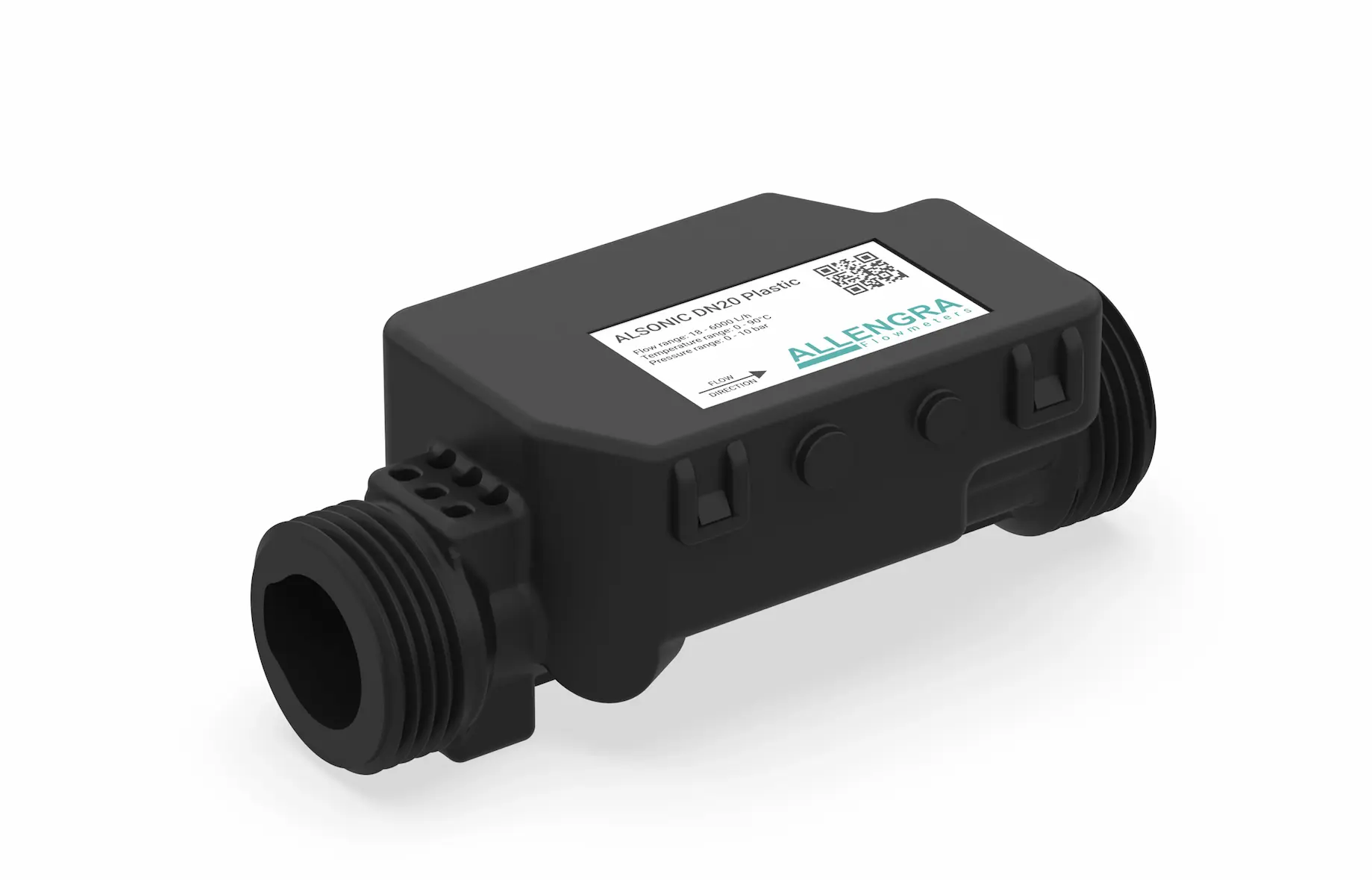
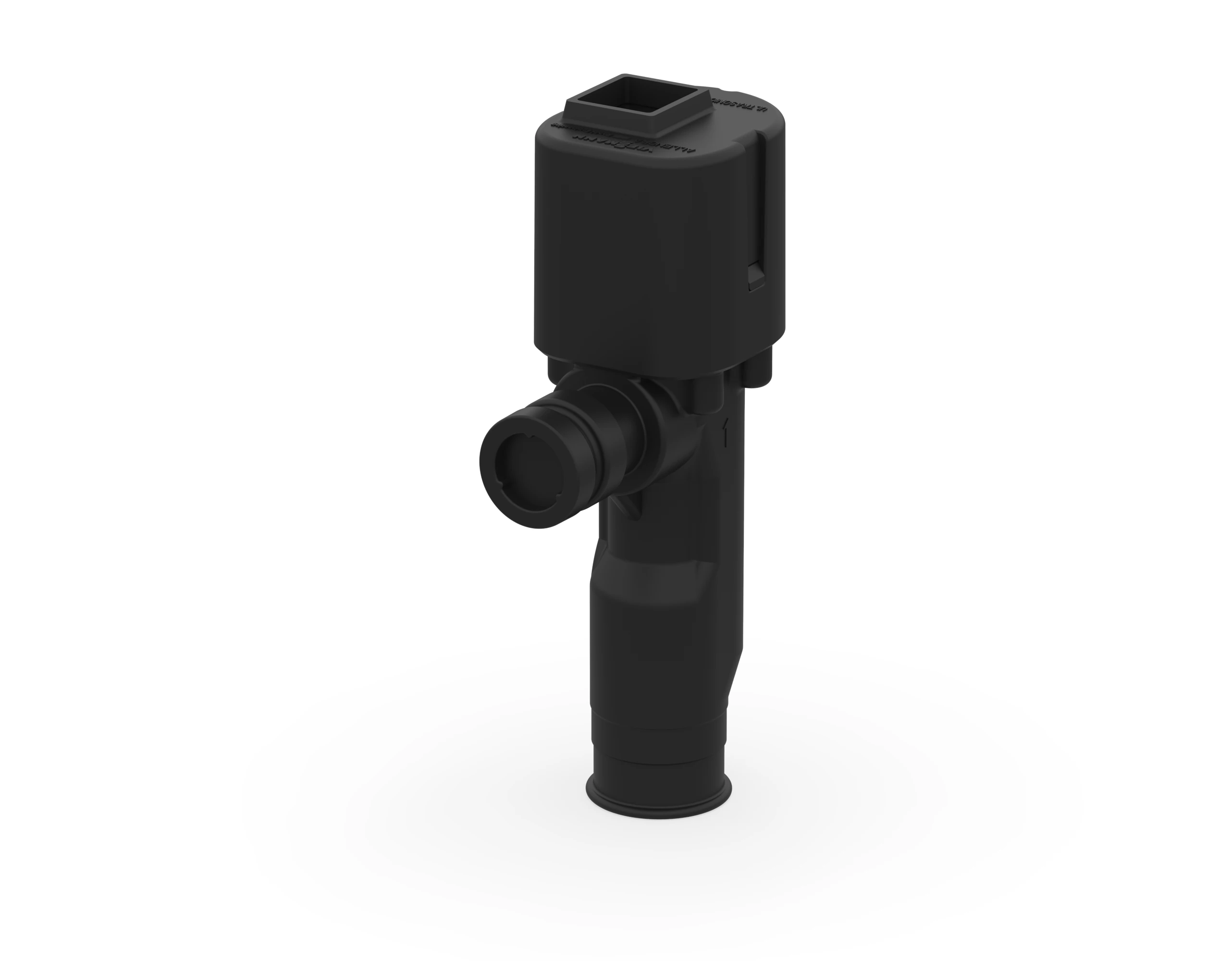
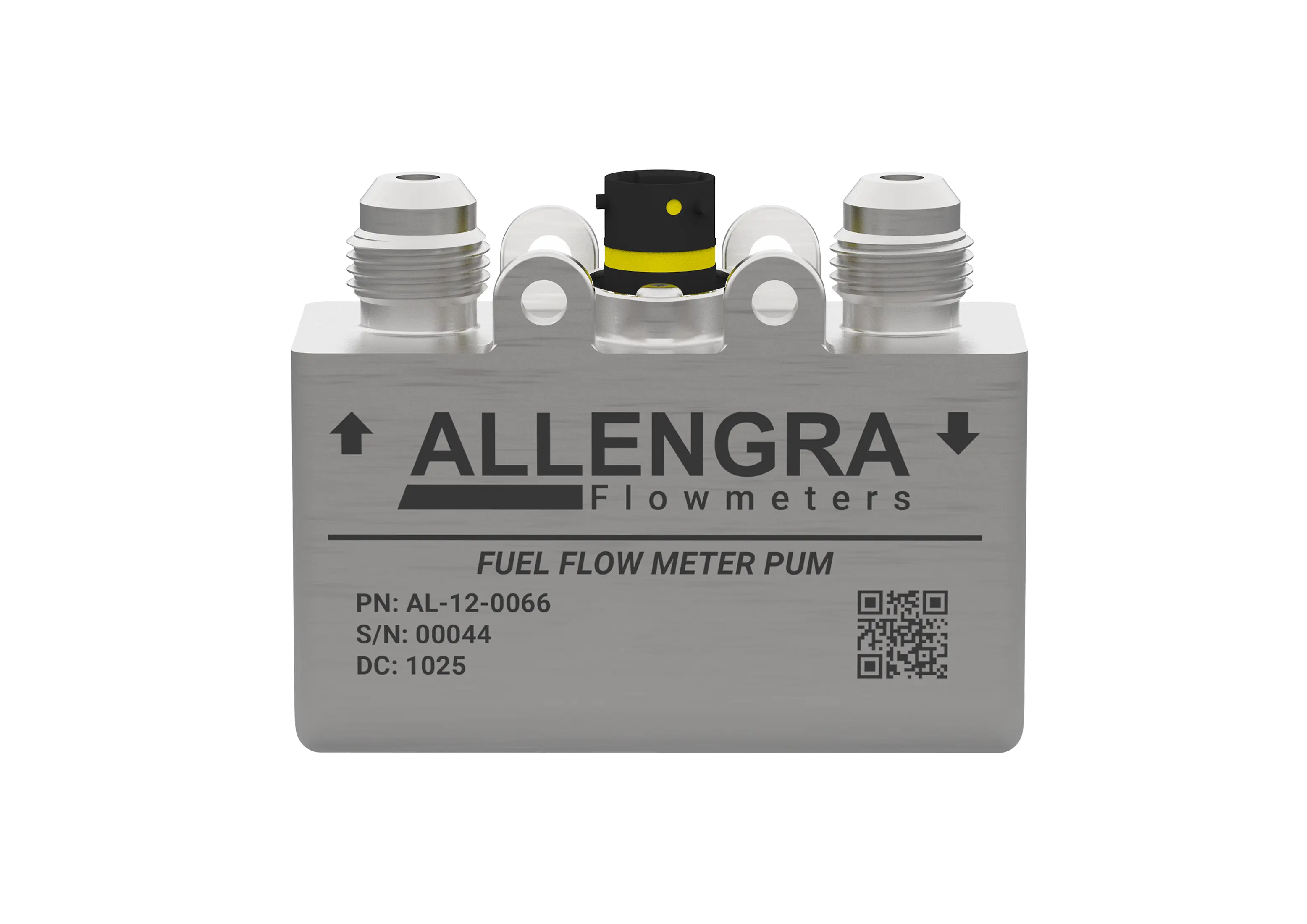
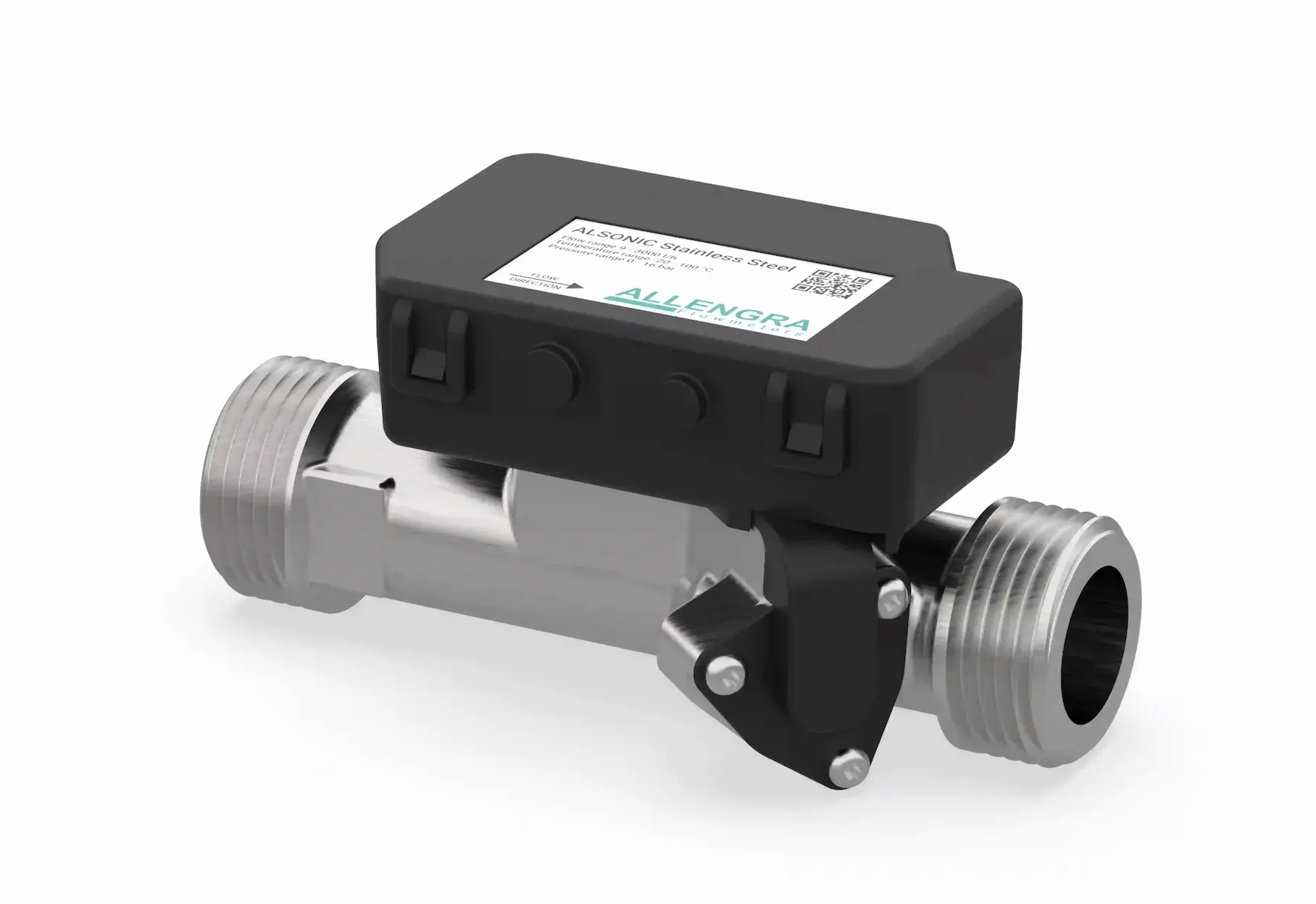
3. Ultrasonic Flow Meters
Now we're getting into the high-tech stuff. These meters use sound waves to measure flow, which is pretty clever when you think about it.
How they work: They send ultrasonic signals (sound you can't hear) through the fluid. By measuring how these signals are affected by the moving fluid, they calculate flow rate. Some work by measuring sound wave travel time differences (transit-time), while others detect frequency shifts as sound bounces off particles (Doppler). The coolest part? Some models can clamp onto the outside of pipes without cutting into them at all!
Applications: Water distribution systems, chemical processing, and situations with large pipes where cutting in would be expensive or impractical.
Pros: No moving parts to break, no flow obstructions, great for big pipes, and some don't even need to touch the fluid.
Cons: Higher upfront cost, and performance can be affected by air bubbles or particles in the fluid.

4. Magnetic Flow Meters
These clever devices use Faraday's Law of electromagnetic induction to measure flow. But there's a catch, they only work with conductive fluids.
How they work: They create a magnetic field across the pipe. When a conductive fluid (like water with minerals or chemicals dissolved in it) passes through, it generates a tiny voltage proportional to its velocity. The meter measures this voltage and calculates flow rate.
Applications: Wastewater treatment, slurry pipelines, chemical processing, and food production – anywhere with conductive fluids that might be dirty or corrosive.
Pros: Nothing protrudes into the flow to get gunked up, minimal maintenance headaches, and they handle dirty or corrosive fluids like champions.
Cons: Utterly useless for non-conductive fluids like oils or ultra-pure water, can be thrown off by electrical noise, and they're not the budget option.
5. Vortex Flow Meters
Ever watched water flow around a rock in a stream, creating those swirling patterns behind it? That's basically how these meters work.
How they work: They place an obstruction (called a bluff body) in the flow path, which creates alternating vortices downstream. The frequency of these vortices is directly proportional to flow velocity – more vortices means faster flow.
Applications: Steam measurement, industrial gas flows, and general liquid applications where conditions might get extreme.
Pros: No moving parts to wear out, handle temperature extremes like champs, and maintain good accuracy across a wide range of flows.
Cons: They struggle with very slow flows (no vortices form below certain velocities), and vibration can confuse their sensors.
6. Thermal Mass Flow Meters
These ingenious devices measure how quickly flowing fluid carries heat away from a heated sensor.
How they work: A heated sensor sits in the flow path. The faster the fluid moves, the more heat gets carried away, cooling the sensor. By measuring this cooling effect, the meter can determine mass flow rate directly.
Applications: Gas flow measurement, emissions monitoring, compressed air systems – applications where knowing the actual mass of gas is more important than its volume.
Pros: They measure mass flow directly (no need for temperature/pressure compensation), work well at low flow rates, and don't create much pressure drop.
Cons: They're primarily for gases, get confused if gas composition changes, and need calibration specific to what they're measuring.
7. Coriolis Flow Meters
The Formula 1 cars of flow measurement, high performance, incredible accuracy, and yes, a higher price tag to match.
How they work: Fluid flows through vibrating tubes. The Coriolis effect (the same force that influences weather patterns on Earth) causes these tubes to twist slightly in proportion to mass flow. By precisely measuring this twist, the meter calculates mass flow with extraordinary accuracy.
Applications: Applications where pinpoint accuracy matters, custody transfer (where ownership of valuable fluids changes hands), high value products, critical batching operations.
Pros: Unmatched accuracy, measure mass flow directly, and often provide bonus measurements like density and temperature.
Cons: They're not cheap (understatement), size can be limiting for larger pipes, they're somewhat picky about installation, and create some pressure drop.
How to choose the right flow meter
Let's be honest, picking the wrong flow meter can be an expensive mistake. It's like buying hiking boots for a swimming competition. So how do you make sure you choose correctly? Here's what to consider:
Fluid properties: What exactly are you measuring? Thick or thin? Clean or full of chunks? Corrosive? Hot? Electrically conductive? The physical and chemical properties of your fluid will immediately rule out certain meter types and favor others.
Flow characteristics: Will your flow be steady and consistent, or will it pulse? Might it sometimes reverse direction? What's the highest and lowest flow rate you need to measure? Each meter type has its sweet spot where it performs best.
Process conditions: What temperature and pressure range will your system experience? Any vibration that might affect sensitive instruments? These environmental factors matter tremendously.
Installation requirements: Do you have enough straight pipe before and after where the meter will go? Some meters need 10+ pipe diameters of straight run upstream to work properly. Can the meter be installed vertically, or must it be horizontal? Will maintenance folks be able to access it easily?
Accuracy requirements: How precise do you need to be? If you're measuring liquid gold, you'll want different accuracy than if you're measuring cooling water. Better accuracy generally costs more, so don't overspend if you don't need to.
Output and communication needs: What signals do you need? Analog 4-20mA, digital protocols like HART or Modbus, or simple pulse outputs? Does it need to integrate with your control system? Some meters offer more communication options than others.
Maintenance considerations: Can your process tolerate downtime for maintenance? Do you have technically skilled staff who can troubleshoot complex electronics, or do you need something simpler?
Budget constraints: Money matters. But look beyond the initial price tag to what engineers call "total cost of ownership." Sometimes paying more upfront saves a fortune in operating and maintenance costs down the road. A cheap meter that needs frequent calibration or repair might end up being the most expensive option overall.
Uses of flow meters in different industries
Flow meters are incredibly versatile tools used across virtually every industry that moves fluids. Here's how different sectors put these devices to work:
Industry | Common Applications | Recommended Flow Meter Types |
|---|---|---|
Oil & Gas | Custody transfer, well testing, pipeline monitoring | Coriolis, ultrasonic, differential pressure |
Water & Wastewater | Distribution networks, billing, treatment processes | Electromagnetic, ultrasonic, mechanical |
Food & Beverage | Ingredient batching, filling operations, CIP systems | Electromagnetic, Coriolis, Ultrasonic |
Pharmaceutical | Precise ingredient measurement, water purification | Coriolis, ultrasonic, thermal mass |
Power Generation | Cooling systems, fuel flow, steam measurement | Vortex, ultrasonic, differential pressure |
Mining | Slurry transport, water management, chemical dosing | Electromagnetic, ultrasonic |
HVAC | Chilled water systems, energy metering | Ultrasonic, vortex, turbine |
Semiconductor | Ultra-pure water, chemical delivery systems | Thermal mass, Coriolis, ultrasonic |
Common issues and maintenance tips
Even the best flow meters can act up sometimes. Here's what might go wrong and how to keep your meters happy:
Common Flow Meter Issues
Buildup and fouling: Just like arteries can get clogged, sensors can get coated with deposits, scale, or material buildup. When this happens, measurement accuracy goes out the window. I've seen meters off by 30% or more due to coating issues!
Wear and tear: Moving parts don't stay moving forever. Mechanical flow meters eventually wear out, leading to creeping inaccuracy and ultimately failure. Bearings are often the first components to go.
Calibration drift: Over time, meters can start "telling lies" as their calibration drifts. One month they're spot on, the next they're off by a few percent, and before you know it, you're making costly mistakes based on bad data.
Electrical issues: Electronic meters hate electrical interference. Signal problems, ground loops, and power fluctuations can make them go haywire. I once traced erratic meter readings to a variable frequency drive installed nearby without proper shielding.
Improper installation: Too many installations are rushed, with insufficient straight pipe runs or incorrect orientation. Getting it right the first time saves so much headache later.
Air entrainment: Air bubbles in liquid systems are the bane of many flow meters. They cause erratic readings that can drive operators crazy trying to figure out what's happening.
Process changes: Your meter was perfectly happy measuring room temperature water, but now you're running hot oil through it? Don't be surprised when it throws a fit. Process conditions matter!
Maintenance Tips:
Regular calibration: Set up a calibration schedule and stick to it. How often depends on your accuracy needs and the criticality of the measurement, but annual calibration is common for many applications.
Proper cleaning: Different meters need different cleaning approaches. Learn what yours needs and make it part of your maintenance routine. Some newer meters include self-cleaning features, which can be worth the extra cost in fouling-prone applications.
Visual inspections: Use your eyes! Look for corrosion, damage, leaks, or anything unusual during routine walkdowns. Sometimes the simplest checks prevent the biggest problems.
Signal verification: Keep an eye on output signals. Are they stable? Jumping around for no reason? Slow changes might indicate developing problems you can fix before they become emergencies.
Documentation: Keep thorough records. Installation details, calibration history, maintenance performed – future you (or your replacement) will thank present you for this information.
Environmental protection: Shield sensitive electronics from harsh conditions. A little protection goes a long way toward extending meter life.
Upstream filtration: If appropriate for your process, install filters upstream. It's much easier to clean or replace a filter than repair a damaged meter.
Training: Make sure your team knows what they're doing. A little training prevents a lot of expensive mistakes.
How can Allengra help you choose the right flow meter?
Let's be real, choosing flow meters gets complicated fast. You've got all these factors to juggle, from accuracy needs to installation constraints to budget limitations. While I've tried to give you a good foundation here, real-world applications often throw curveballs that can stump even experienced engineers.
That's where we at Allengra come in. We've been obsessed with flow measurement for decades, specializing in ultrasonic technology that solves problems other meters can't touch. We don't just sell products, we deliver solutions tailored to your specific situation.
When you work with us, you get:
Expert consultation: Our flow specialists geek out on challenging applications. They'll analyze what you're trying to accomplish and recommend the perfect solution. And just as importantly, they'll tell you what won't work, potentially saving you thousands in avoided mistakes.
Customized solutions: No two flow applications are identical, which is why cookie-cutter approaches often fall short. We can customize our ultrasonic flow meters to match your exact requirements – something the big mass-market manufacturers rarely offer.
Ongoing support: The relationship doesn't end when we ship your meter. From installation guidance to troubleshooting years down the road, we're with you for the long haul. Our customers often tell us this ongoing support is what they value most.
Cutting-edge technology: Our ultrasonic flow meters incorporate the latest advancements in non-invasive measurement.
Advanced ultrasonic technology: Besides the flowmeters, we offer a wide range of sensors for different kinds of applications, temperature measurement, pressure measurement, heat metering, regulating valves, etc.
Whether you're monitoring critical processes in a chemical plant, tracking water distribution in a municipal network, or ensuring accurate billing during petroleum transfers, we've got specialized experience that can make your life easier.