Pumps are essential to heating and cooling circuits, industrial equipment, water systems and many other applications. When a pump begins to lose performance, however, the first visible sign may be reduced system output or in the worst case, an unexpected shutdown.
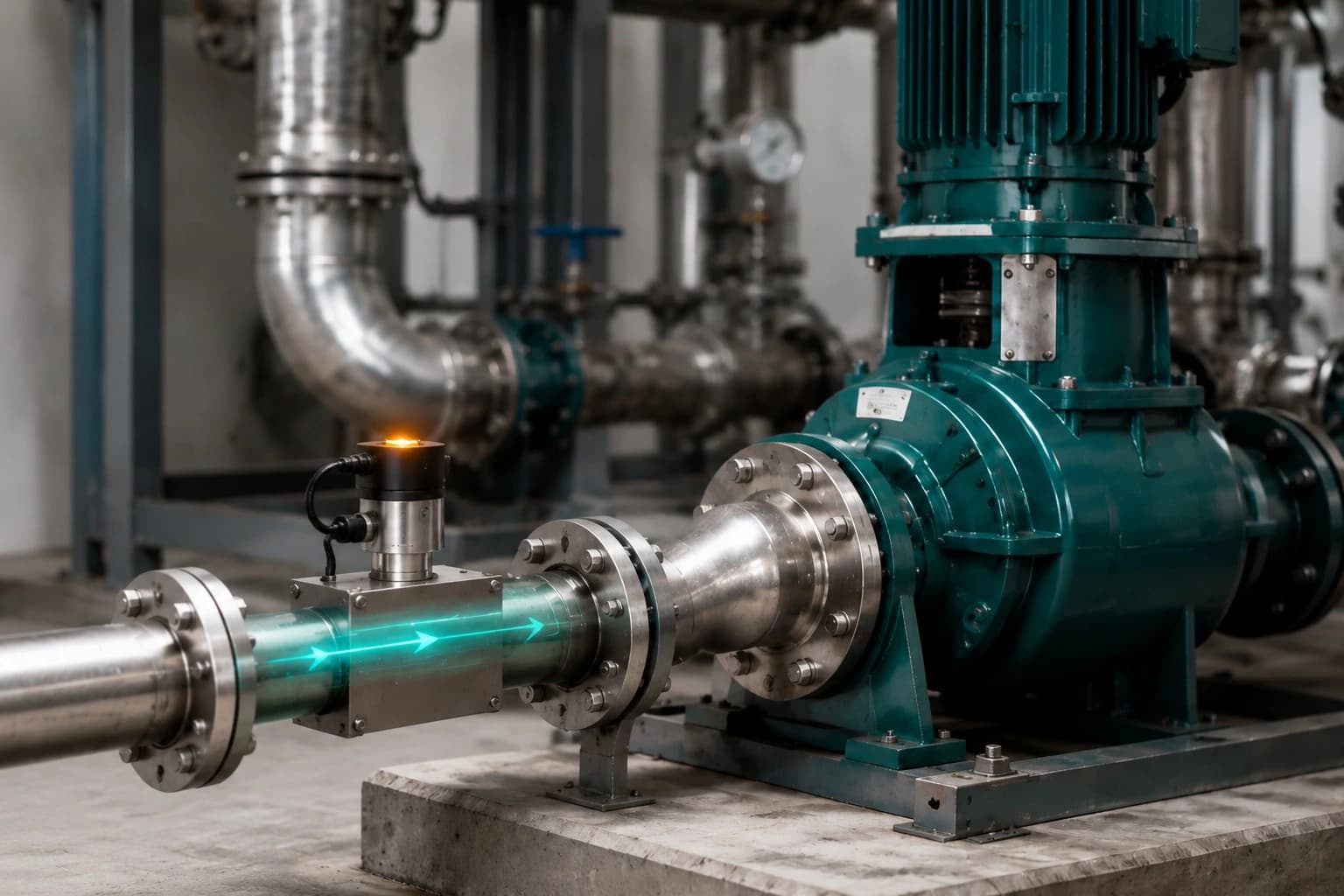
Continuous flow monitoring gives operators a way to identify changes earlier. A flow sensor does not diagnose the pump on its own, but it shows whether the liquid is moving as expected. When the measured flow begins to differ from the normal operating pattern, the data can point to a developing problem that deserves attention.
Why flow is a useful indicator of pump condition
Every correctly operating system has an expected flow range for a given pump command, valve position and operating condition. Once this baseline is established, real-time measurements can be compared with it continuously.
A small deviation does not always mean that the pump is failing. Demand may have changed, a control valve may have moved or the properties of the liquid may be different. Repeated or unexplained deviations, however, can reveal that the system is no longer operating normally. This gives maintenance teams an opportunity to investigate before performance drops further.
Flow patterns that can reveal developing problems
A gradual reduction in flow
If the pump runs under similar conditions but delivers progressively less flow, the cause may be developing wear, a partially blocked filter, deposits inside the pipe, a restricted inlet or an impeller problem. The reduction may be too small to notice during routine operation, yet it becomes clear when historical flow data is compared over time.
Sudden changes in flow
A sharp drop can indicate a closed or malfunctioning valve, a major restriction, loss of prime, an empty supply tank or another interruption in the fluid path. A sudden increase may point to an unintended bypass, a valve opening unexpectedly or a leak elsewhere in the system. Fast detection helps the control system or operator respond before the condition affects other components.
Unstable or fluctuating flow
Flow that repeatedly rises and falls while the pump command remains stable can be a sign of air entering the line, cavitation risk, irregular pump control or an unstable supply. Fluctuations can also appear when a filter or restriction causes the pump to operate away from its intended point. The flow signal provides evidence that the problem is persistent rather than a one-time disturbance.
Flow when none is expected
If liquid continues to move after the pump has stopped, the system may have unwanted circulation, a leaking valve, backflow or a siphoning effect. Bidirectional measurement can be especially useful when the direction of the liquid matters, as it can distinguish normal forward flow from reverse movement.
From an isolated reading to an early-warning system
A single measurement shows what is happening at one moment. Continuous monitoring adds context. It makes it possible to define normal ranges, identify trends and trigger an alert when the flow remains outside an acceptable limit.
The most useful thresholds are based on the actual system rather than on one universal value. For example, an alert may be generated when:
flow falls below the expected range while the pump is running;
the difference between commanded and measured flow persists for a defined period;
flow becomes unusually unstable under steady operating conditions;
reverse flow is detected where it should not occur; or
the pump consumes energy but produces little or no useful flow.
To avoid unnecessary alarms, short disturbances can be filtered out and thresholds can be adjusted for different operating modes. A circulation pump at partial load, for example, should not be evaluated against the same flow target used at full load.
Why combining flow with other data gives a clearer picture
Flow data is valuable, but it becomes more informative when it is evaluated together with other system parameters. Pressure can help distinguish a restriction from a loss of pumping capacity. Temperature can show whether a heating or cooling circuit is transferring energy as expected. Pump speed, valve position and power consumption add further context.
Consider a pump that draws its normal electrical power while the measured flow continues to fall. This pattern can suggest that energy is being used without producing the expected hydraulic result. If both power and flow fall together, the cause may instead be a control command or power-supply issue. The combination of signals helps the operator narrow the investigation and plan the right maintenance action.
The role of ultrasonic flow measurement
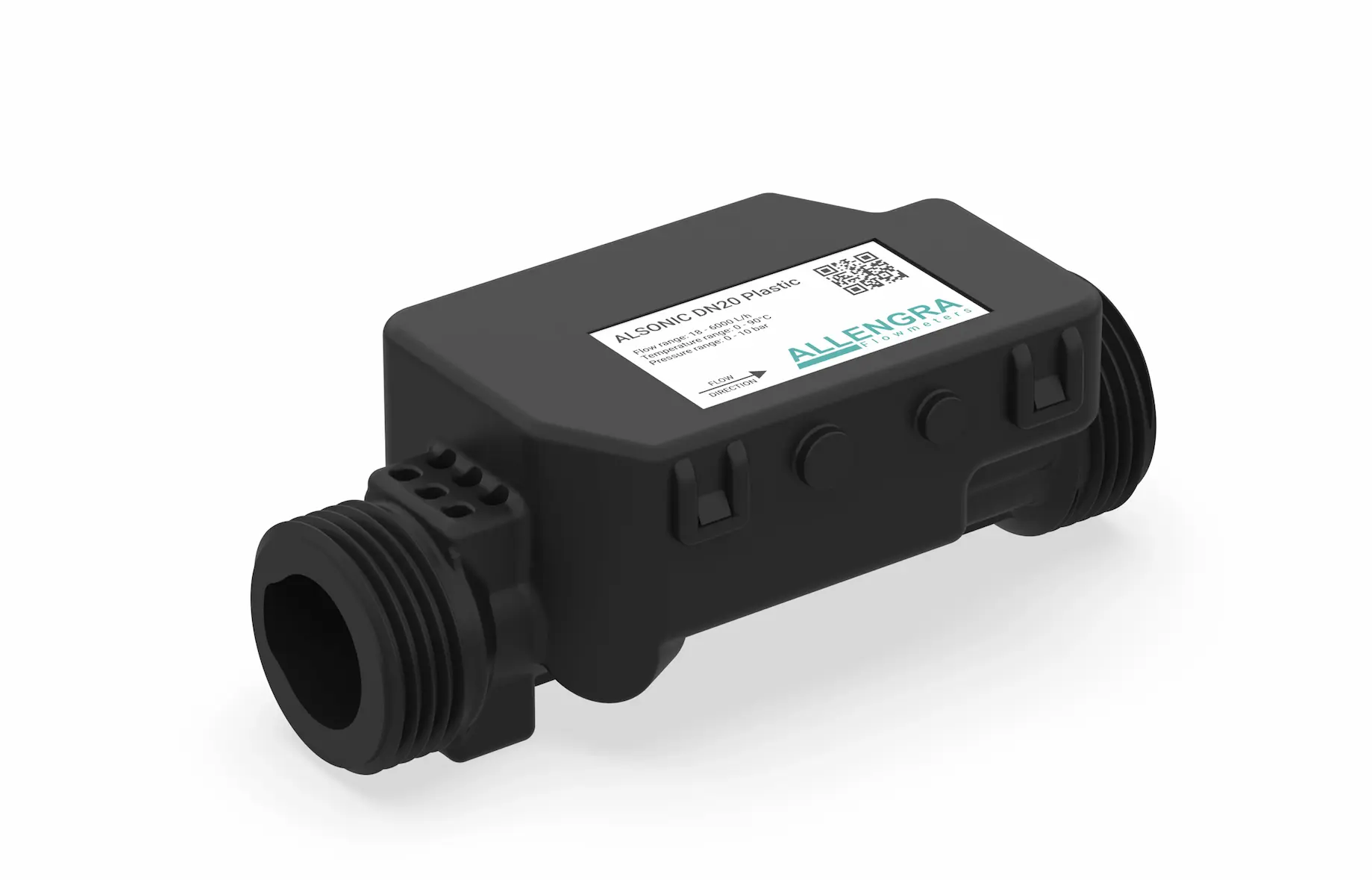
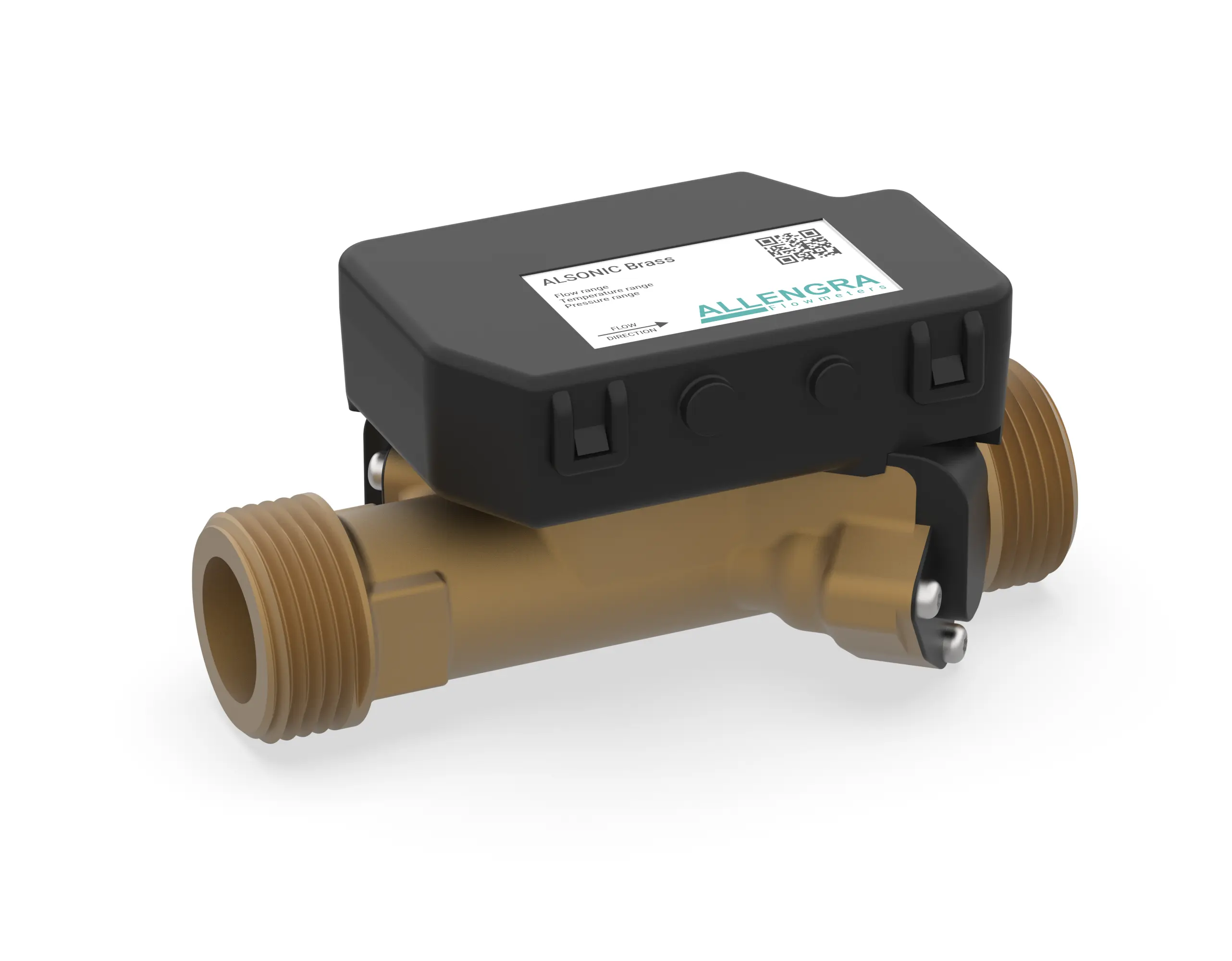
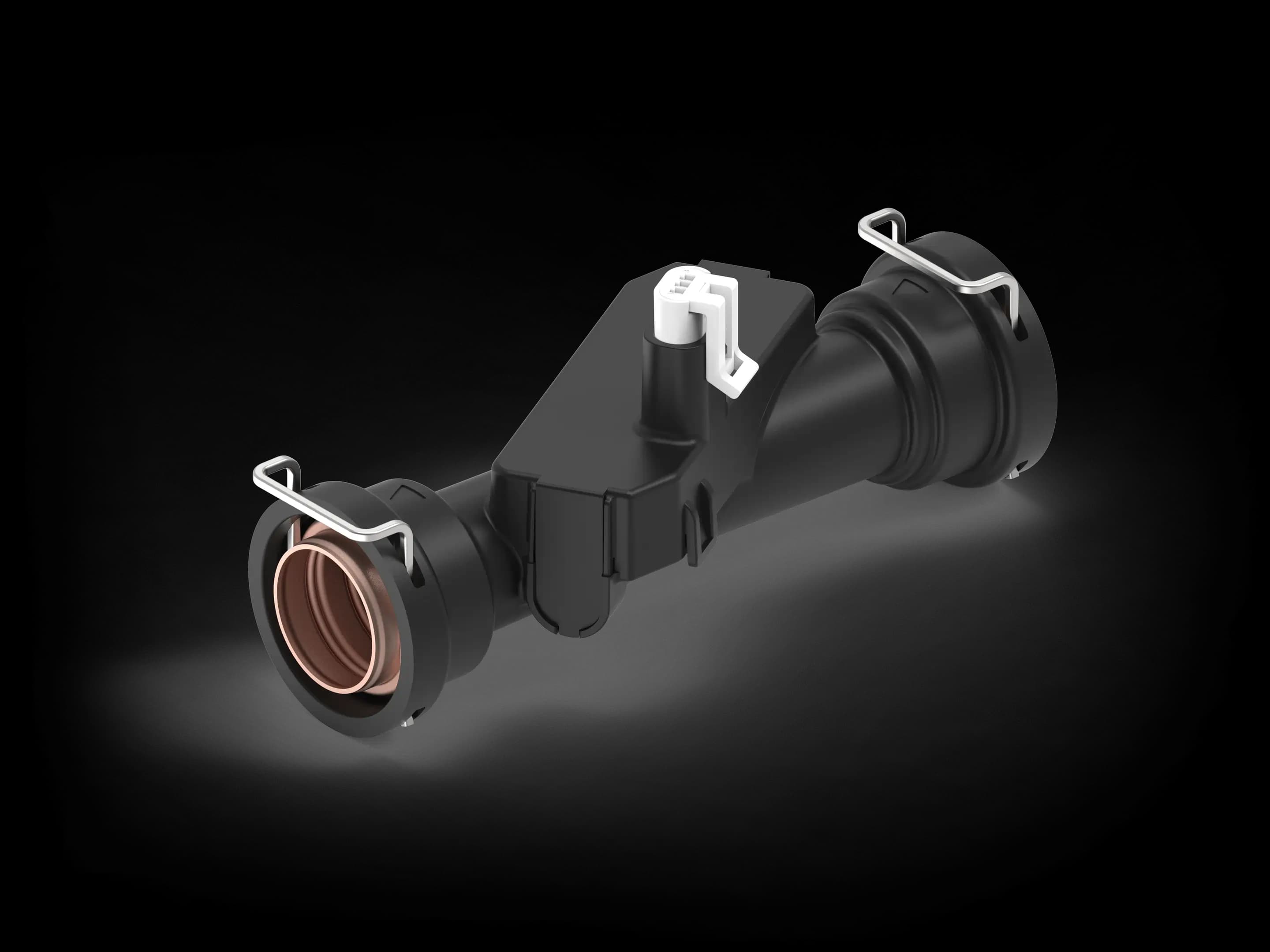
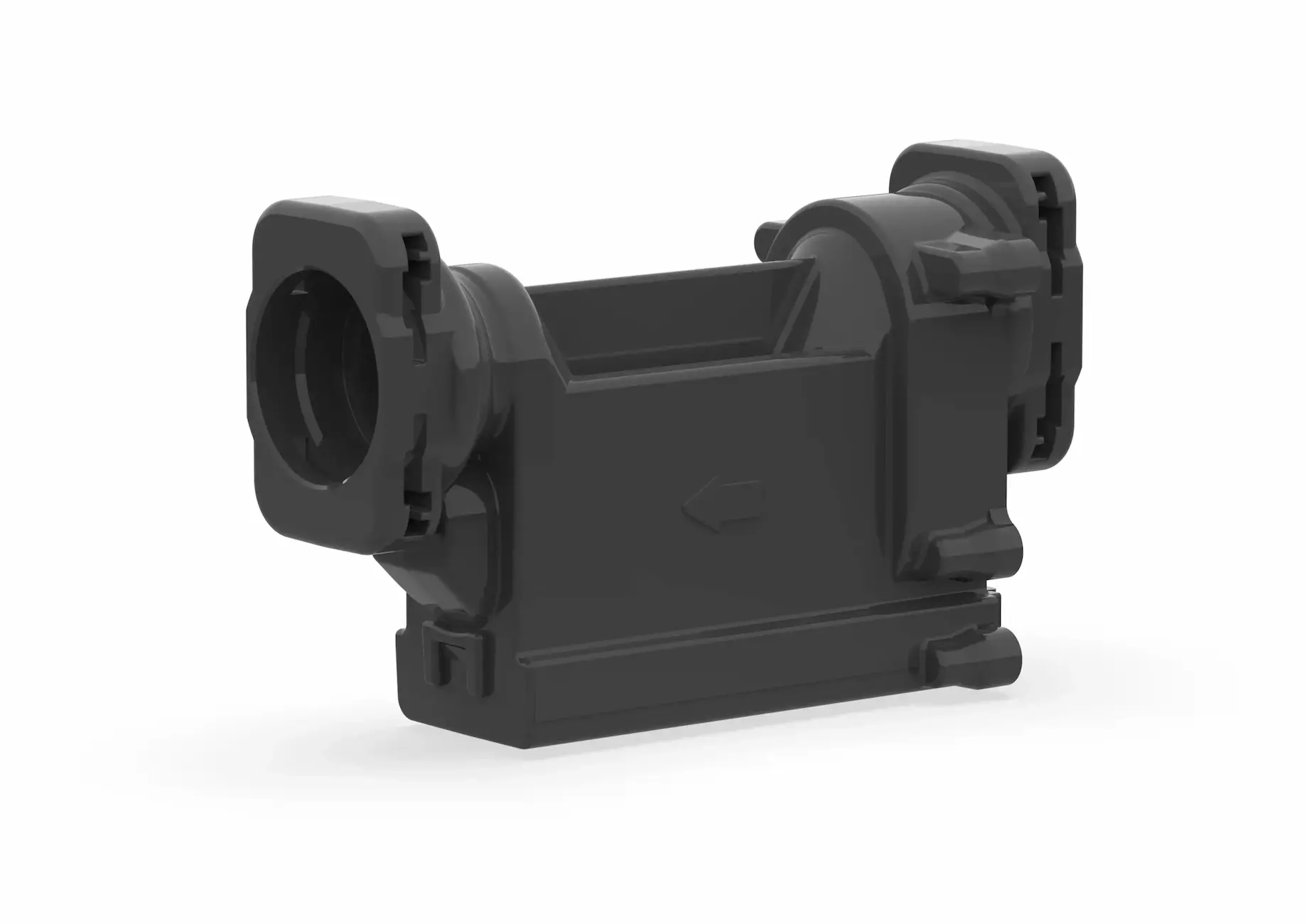
Ultrasonic flow sensors are well suited to continuous monitoring because they measure without mechanical moving parts in the flow path. This reduces the risk that the measuring principle itself will be affected by mechanical wear. Depending on the application and integration, real-time flow data can be sent to a controller, building management system or monitoring platform for visualization, logging and automated alerts.
Inline integration also allows the sensor to become part of the equipment rather than an occasional test instrument. The result is a continuous view of system behaviour, from commissioning and normal operation to the gradual development of a fault.
Earlier information supports better maintenance decisions
Flow monitoring does not replace physical inspection or vibration analysis. However, when combined with integrated pressure measurement, it provides a more complete view of the system’s hydraulic performance. Changes in flow and pressure can reveal developing problems at an early stage, allowing maintenance teams to inspect the pump, filter, valves and pipework before the deviation leads to a loss of function.
This supports a more planned approach to maintenance. Instead of reacting only after a pump stops, operators can schedule service when the data shows a sustained decline, prepare the required parts and choose a time that causes less disruption.
More Than a Sensor
Allengra does more than supplying a sensor. We discuss each application with the customer and identify the right standard or custom-made solution. By combining flow, pressure and temperature data with remote monitoring, our solutions help detect changes earlier, improve pump reliability and support more accurate service-life estimates.
Turning flow data into preventive action
A reliable monitoring strategy starts with a clear baseline. The expected flow should be recorded under the system’s main operating conditions, and alert limits should reflect normal variations. Trends should then be reviewed together with pump status and other relevant measurements.
With this approach, flow measurement becomes more than a way to confirm that liquid is moving. It becomes an early-warning signal, helping operators recognize inefficient operation, investigate developing faults and act before a pump problem leads to equipment failure or unplanned downtime.