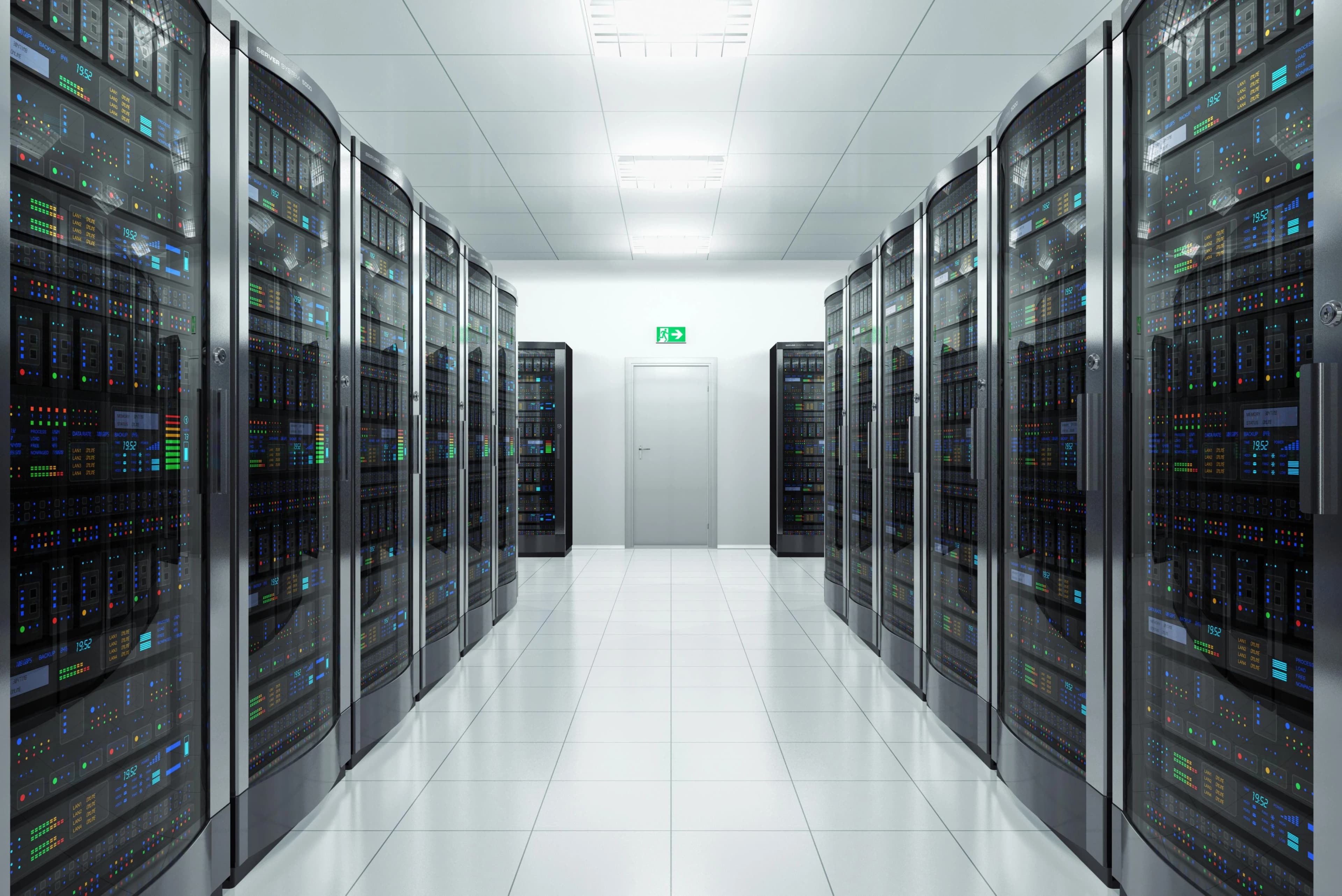
Most data centers weren't designed for what they're being asked to do now. A facility built around 5–8 kW racks running air cooling doesn't automatically become capable of supporting 30–80 kW GPU clusters just because the power is available. The cooling infrastructure has to support it, and before you can change the cooling infrastructure, you need to know what it's actually doing right now.
Why Retrofits Need Instrumentation Before Capacity Changes
A cooling retrofit introduces new thermal loads, new flow demands, and new hydraulic conditions into an existing system. Whether that's rear-door heat exchangers on existing racks, a CDU installation feeding a new GPU cluster, or a full liquid cooling buildout on a new floor section, the existing chilled water infrastructure is the foundation everything else sits on.
If you don't know the baseline state of that infrastructure's actual flow rates, actual ΔT, actual pump operating points, and actual branch distribution, you're designing the retrofit against assumptions. Those assumptions came from the original design documents, which reflect what the system was supposed to do when it was commissioned, possibly a decade ago. Filters foul, balancing valves drift, impellers wear, and setpoints get adjusted over a decade of operation. The system on the drawings is rarely the system you have.
Installing flow sensors and thermal energy metering before any capacity work gives you three things you can't get any other way: a real baseline to design against, acceptance test criteria that mean something, and a before/after comparison that proves whether the retrofit worked.
The instrumentation cost is small compared with the retrofit itself, and very small compared with the cost of getting the retrofit wrong: oversized equipment, secondary loops that under-perform, or a chiller plant that can't carry the new load.

Baseline the Existing Chilled Water System
Start at the plant. Before touching anything else, put flow and temperature measurement on the main chilled water supply and return headers.
What you're establishing is the plant's actual operating envelope: how much flow it delivers, at what supply temperature, and what ΔT the system returns. Compare that to the design specification, and you'll almost always find at least one surprise.
Common findings at this stage include:
Lower-than-design ΔT. The system is circulating more water than necessary to shift the heat, which means pumps are working harder than they need to, and chiller efficiency is worse than it should be.
Uneven flow distribution. Some headers are getting more than their share; others are running short.
Chiller staging that doesn't match the actual load. Two chillers running at 40% each instead of one at 80% is a common inefficiency that only becomes obvious when you have real-time thermal energy data.
Establish this baseline with permanent instruments where possible, or with temporary ultrasonic clamp-on meters for the initial assessment. The data from a two-to-four-week logging period across varying IT load conditions is worth far more than a single snapshot measurement. It shows you the system's dynamic behavior and how it responds to load changes, to ambient temperature swings, to time-of-day demand patterns.
Measure CRAH and Branch Flow Before Adding Density
Computer Room Air Handlers represent the existing cooling distribution. Before replacing or supplementing any of them with liquid cooling infrastructure, measure what they're actually doing.
Each CRAH draws chilled water from the building loop and rejects heat from the room air. The flow rate through each CRAH, combined with its supply and return water temperatures, tells you the actual cooling output. That number is often different from the nameplate capacity, sometimes lower due to coil fouling or control valve degradation, sometimes higher if the unit is running overcooled at low IT loads.
More importantly for retrofit planning: branch flow balance. The pipe branches serving individual CRAHs were balanced at commissioning. They haven't necessarily stayed balanced. A branch that was designed for 20% of the total plant flow may be getting 28% now because a balancing valve upstream was adjusted for a different reason, or because a CRAH on a neighboring branch had its control valve fail closed, and nobody noticed that the flow redistributed.
Installing chilled water flow meters on each CRAH branch before the retrofit reveals:
Which CRAHs are flow-limited versus valve-limited
Which branches have capacity headroom for additional load
Where a liquid cooling secondary loop can be inserted without overloading the hydraulic branch it feeds from
Whether a new CDU installation will require rebalancing the entire distribution loop or just a local adjustment
This information directly affects where you locate CDUs, how you size secondary loop pumps, and whether the existing control valves on each branch can handle the increased flow demand the liquid cooling equipment will add.
A flow meter on each CRAH branch doesn't need to be permanent instrumentation, though it's worth keeping for ongoing operational visibility. At a minimum, log each branch for two to four weeks before finalizing the retrofit design.
Add Monitoring Around Heat Exchangers and Secondary Loops
Many facilities that already have some liquid cooling rear-door heat exchangers, in-row coolers, or an earlier-generation CDU installation have secondary loops that are under-instrumented.
A rear-door heat exchanger (RDHx) sitting on an existing rack row is taking chilled water from the building loop and rejecting heat from the server exhaust. Without flow measurement on the RDHx feed and a ΔT reading across it, you have no idea how much of the rack's thermal load it's actually handling versus how much is passing through to the room air and landing on the CRAHs. For retrofit planning, that split matters, as it affects how you model the residual CRAH load after the new liquid cooling is added.
For any existing secondary loop, a small CDU installation, a test lab cooling circuit, or a legacy in-row liquid cooler, add flow and temperature measurement on both sides of the heat exchanger:
Primary side (building chilled water in/out): tells you what the facility loop is supplying to that secondary system, and whether it's getting adequate flow from the building plant.
Secondary side (coolant loop to servers): tells you what the servers are actually receiving and returning. ΔT across the secondary loop, combined with secondary flow, gives you the actual heat rejection. Cross-reference with IT power draw from the rack PDUs, and the numbers should balance; if they don't, something is wrong with either the measurements or the cooling path.
This primary/secondary cross-check is one of the most useful diagnostic tools available during a retrofit assessment. It identifies heat exchanger fouling (low ΔT on both sides at constant load), hydraulic restriction in the secondary loop (correct primary flow but low secondary flow), and control valve problems (primary flow that doesn't correlate with IT load changes).
Instrument RDHx and CDU Feeds
The new liquid cooling equipment going into the retrofit RDHx units, CDUs serving GPU racks, manifold distribution systems for direct-to-chip cooling — all need flow instrumentation at their building-side connection points before commissioning.
RDHx feeds.
Each rear-door unit or group of units fed from a common branch needs a flow meter and temperature sensors on the supply and return. This is the minimum needed to verify that each unit is receiving its design flow at the correct supply temperature and to calculate actual heat rejection per unit. Without this, RDHx performance is unknown; you only know that the IT equipment temperatures are within spec, which is a lagging indicator at best.
CDU primary connections.
Each CDU connects to the building's chilled water loop on its primary side. A flow meter and temperature pair at this connection gives the CDU its thermal input measurement. Combined with the CDU's internal secondary loop instrumentation, you have a complete energy balance for that cooling unit. Any discrepancy between primary-side heat input and secondary-side heat output points to a measurement error or an energy loss in the CDU itself.
Manifold distribution headers.
In deployments where a central manifold distributes coolant to multiple CDUs or rack loops, flow measurement at the manifold supply and return, plus individual branch flows, gives you distribution balance visibility. This mirrors the CRAH branch measurement on the air side, the same imbalance problems exist in liquid distribution headers if they're not actively monitored.
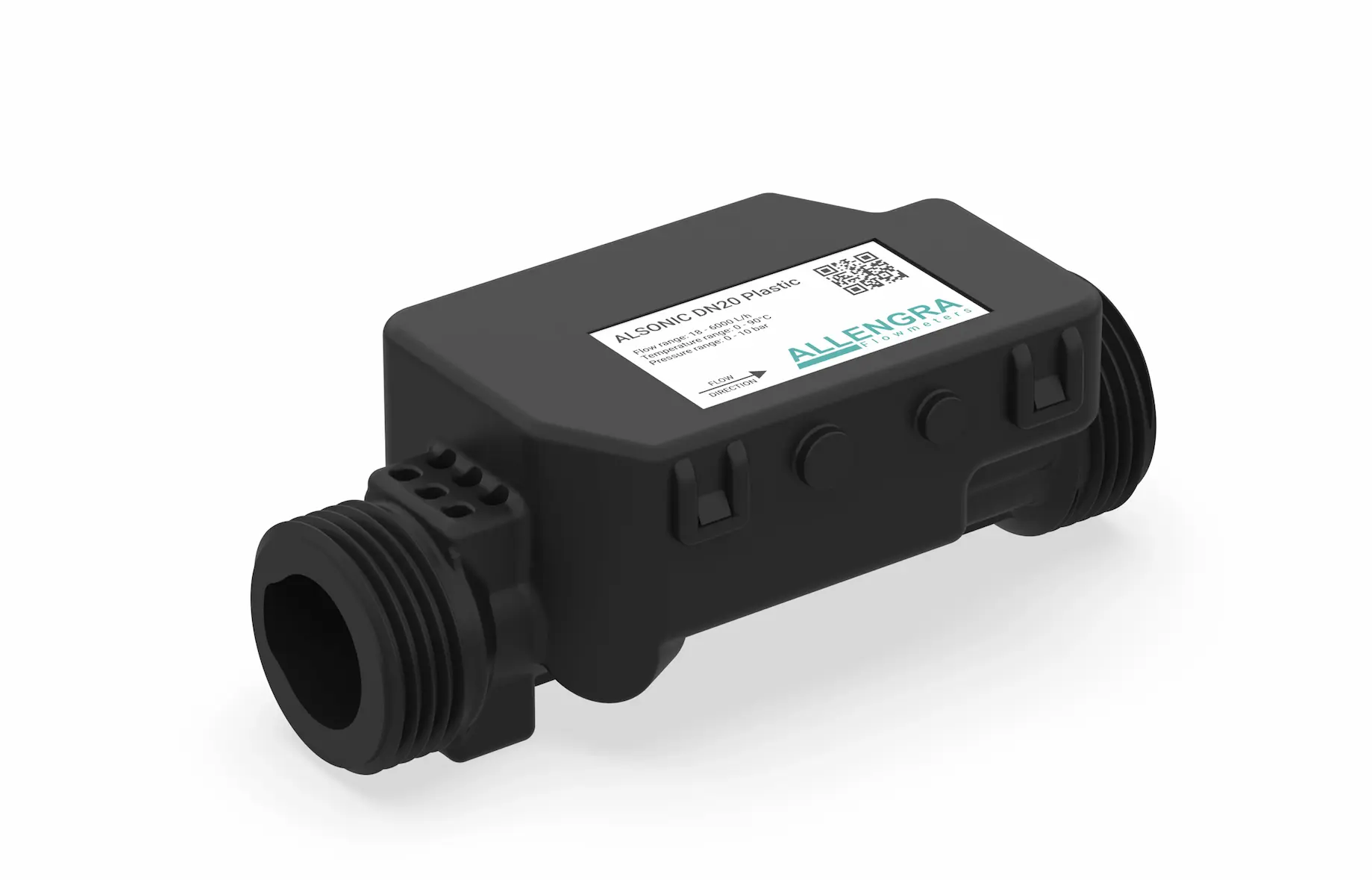
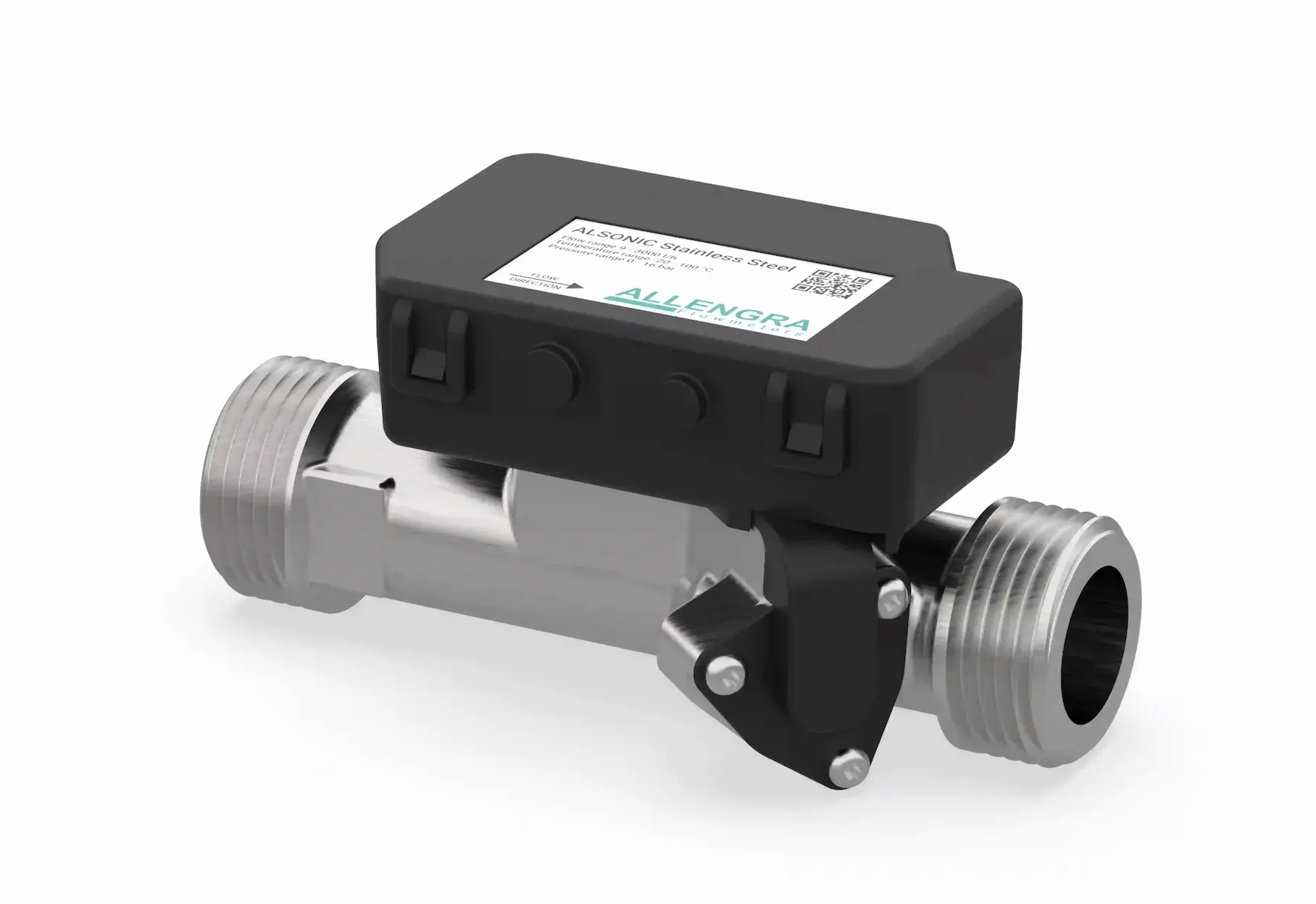
These connection points suit ultrasonic flow measurement: no moving parts in the loop, virtually no added pressure drop, and a single device that can serve both the building BMS (via Modbus RTU) and the CDU controller (via analog or pulse). Allengra's ALSONIC is one example where the transducers, electronics, and communication stack are developed in-house, which removes a layer of integration risk at commissioning.
Plan BMS and DCIM Integration Before Commissioning
The instrumentation only delivers its full value if the data goes somewhere useful. That means planning the integration before the sensors are installed, not after.
The decisions to make at this stage:
What goes to BMS versus DCIM? Site-level thermal energy data (plant headers, main distribution branches) typically belong in the BMS. Rack-level and CDU-level data, particularly in a hybrid cooling environment mixing air and liquid, often belong in DCIM, where it can be correlated with IT load and power data. Some data belongs in both. Define this before you specify output protocols.
Protocol selection: Modbus RTU (or Modbus TCP) is the standard for BMS integration. IO-Link is increasingly common for OEM CDU controller connections. Define what the receiving system supports and specify the sensor outputs accordingly. The wrong output protocol means a protocol converter in the middle, an extra component, an extra failure point, and additional latency.
Data points per meter. A flow meter can provide flow rate, temperature (if a matched temperature pair is included), ΔT, instantaneous thermal power, accumulated energy, signal quality status, and bubble detection status. Not all BMS integrations will use all of these, but define the data point list upfront so the Modbus register map is complete before commissioning starts.
Alarm definitions. Which conditions generate BMS alarms? Low flow on a CDU primary feed. High return temperature on a GPU rack secondary loop. Bubble detection on a critical cooling branch. These need to be defined before commissioning, mapped to BMS alarm categories, and assigned to the right maintenance response group. An alarm that routes to nobody is not an alarm.
Historian and trending. Energy reporting, PUE and WUE calculations, and retrofit performance verification all require historical data. Confirm that the BMS historian is configured to log the new data points at appropriate intervals, one minute for energy reporting, one to ten seconds for transient diagnostics, before the system goes live.
Using flow, temperature, and bubble data for acceptance testing. Retrofit acceptance testing is the formal sign-off that the new cooling system performs as designed. Without baseline instrumentation and live metering, acceptance testing is largely visual, does everything look right, are temperatures within spec, rather than quantitative.
With proper instrumentation in place, you can test against real performance criteria.
Thermal energy output. The CDU or RDHx system should deliver a defined kW output at specified supply water temperature and flow conditions. Measure it. A unit that meets thermal performance at design conditions but fails at reduced primary flow is telling you something about the hydraulic margin in the building loop.
ΔT at design flow. The secondary loop should operate at its design supply/return ΔT under representative IT load. Low ΔT syndrome, the same issue that affects air-side cooling, shows up here when secondary loop flow is higher than necessary. Confirm the ΔT is in the design range before signing off.
Branch flow balance. After any rebalancing work on CRAH branches or liquid cooling distribution headers, verify each branch flow against its design value. Document the as-commissioned flow readings as the new baseline for future comparison.
Bubble detection baseline. Commission the bubble detection outputs and establish a normal operating baseline during the initial run-in period. The ALSONIC's acoustic signal will show the system settling as initial air purges from the loop. The point at which the bubble signal stabilizes to background levels is a meaningful commissioning milestone, more informative than a time-based criterion.
Before/after comparison. With baseline data from the pre-retrofit measurement period and live data from the commissioned system, you can show exactly what changed: plant ΔT, branch flow balance, thermal energy delivered per kW of IT load, and pump operating points. This is the documentation that closes out the project and establishes the starting point for ongoing operations.
Retrofit Checklist and Next Steps
Work through this before any physical installation begins:
Baseline assessment
Plant header flow and temperature logged for a minimum of two weeks
Existing chilled water ΔT compared to design specification
All CRAH branch flows measured and documented
Existing secondary loop heat exchangers measured on both sides
Pump operating points (speed, current, differential pressure) recorded
Any existing RDHx or CDU installations instrumented and baselined
Retrofit design inputs confirmed
Available flow per new CDU or RDHx branch confirmed against plant capacity
Branch hydraulic headroom verified before adding new load
Supply water temperature confirmed adequate for liquid cooling equipment specs
Glycol concentration measured and compatible with new equipment materials
Instrumentation specification
Flow meter locations defined for all new CDU primary connections
RDHx branch flow measurement points confirmed
Temperature sensor pairs specified for all ΔT measurement points
Bubble detection required on secondary loops confirmed with CDU supplier
Output protocols confirmed against BMS and DCIM receiving systems
Modbus register maps requested from the sensor supplier before commissioning
BMS and DCIM integration
Data point list defined and agreed with the controls team
Alarm thresholds and routing defined before commissioning
Historian logging confirmed at required intervals
PUE and WUE calculation inputs identified and mapped
Acceptance testing criteria
Thermal energy output targets per CDU or RDHx defined
ΔT range at design flow documented as a pass/fail criterion
Branch flow balance tolerance defined
Bubble detection baseline establishment included in commissioning protocol
Before/after comparison report format agreed
The instrumentation work described here isn't a large part of a retrofit budget, but it's the part that determines whether the rest of the project can be properly designed, commissioned, and verified. A liquid cooling retrofit going into an under-characterized chilled water system is a risk that experienced facility engineers have seen play out badly. The flow sensors and thermal energy meters that prevent that outcome are straightforward to specify, install, and integrate, particularly with an ultrasonic flow/energy meter such as the ALSONIC, which combines flow, bubble detection, and Modbus output in one device.
Allengra is a development company, manufacturing and designing ultrasonic flow meters in-house. We can customize and specially develop every single product from our lineup for AI data center cooling applications and OEMs with the clamp-on or wetted possibility.