より環境にやさしいモビリティを目指すうえで、内燃機関はメーカーおよび政府にとって常に重要な焦点となっています。燃料消費は、炭素排出、NOX、微粒子排出などの観点から環境適合性に直接影響するため、Worldwide harmonized Light-duty vehicles Test Procedure (WLTP) and Real Driving Emissions (RDE). において新たな規則が定められました。
新しい規則では、メーカーが OBFCM (On-Board Fuel Consumption Monitoring) システムを実装し、実測値に対してシミュレーション消費量の誤差が +/- 5% より優れている精度を確保することが求められます。実際の適合試験は、燃料レールに流量計を取り付けた実走行条件で実施されます。
今日の自動車メーカーは主にシミュレーションデータに基づいて燃料消費量を算出または推定していますが、この方法は、実際の運用ではほとんど達成できない理想的な動作条件下での広い境界領域において、あくまで指標を提供するものです。
Allengra の専用車載燃料モニタリング装置ソリューションは、次のような外的要因の影響を最小限に抑えます。
- Pressure variations
- Fuel & environment temperature
- Fuel specification & quality
- Overall system wear or aging
燃料測定に使用できる一般的な計測技術は次のとおりです。
- Mechanical flow meters
- Vortex flow meters
- Delta Pressure flow meters
- Coriolis flow meters
- Ultrasonic flow meters
超音波方式は理想的な候補として際立っており、モータースポーツにおける balance of power (BoP) のための定番ソリューションとしてすでに定着しています。他の技術は、精度、サイズ、車載搭載への適合性、耐振動性、寿命、エンジン機能への影響、または価格の面で、技術的および/または商業的に不十分です。

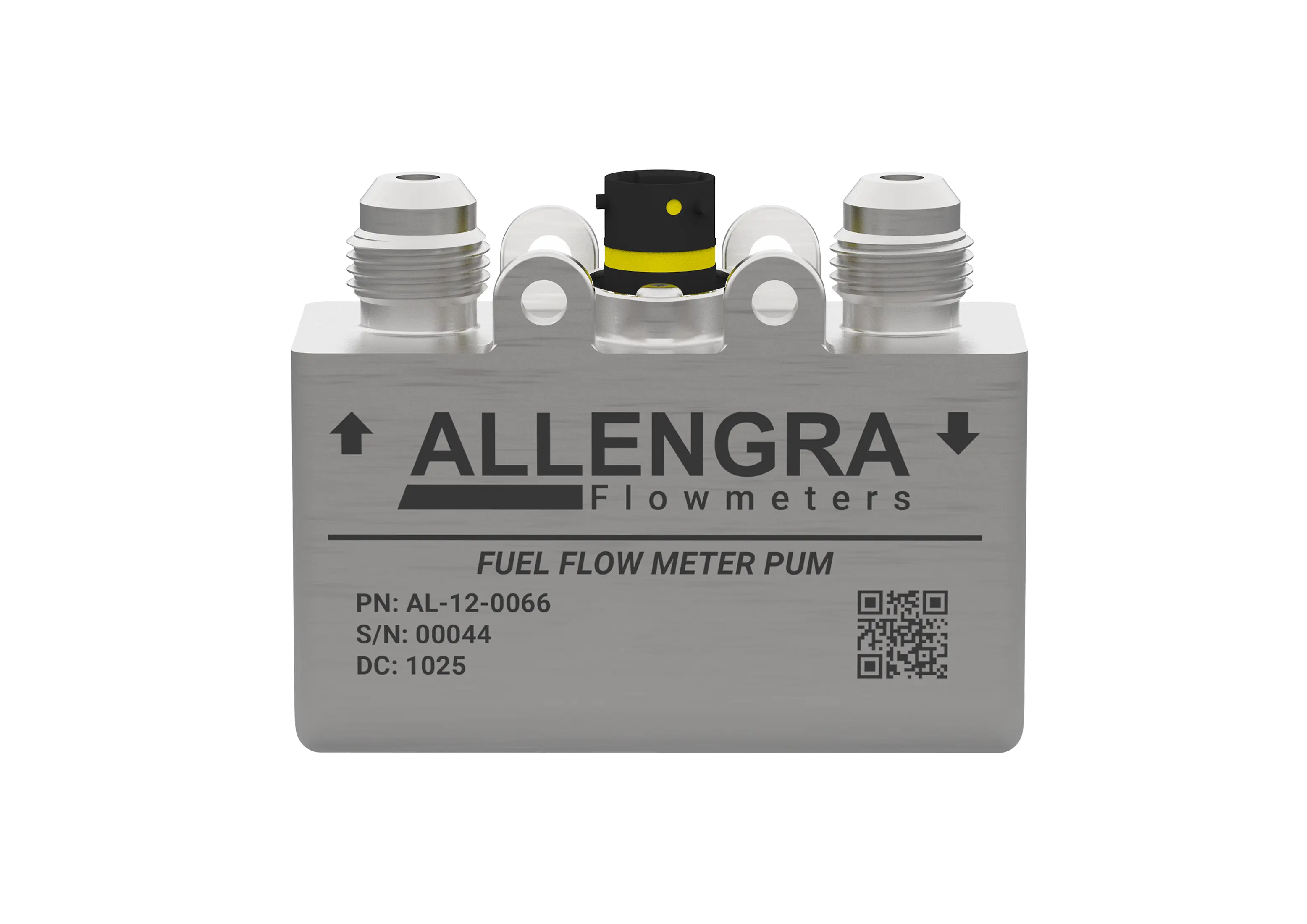
PUM Fuel Flow Meter
超音波方式の主な利点は次のとおりです。
- High accuracy
- Non-intrusive
- No moving mechanical components
- Wide measurement range (low and high flows)
- High measurement frequency
- Suitable for on-board installation (resistant to vibrations and environmental conditions)
- Scalable
超音波方式は汎用性が高いため、大量生産向けにコンパクトかつ費用対効果の高い形で製造できます。そのため、すべての車両に車載燃料流量計を工場出荷時に直接搭載でき、ユーザーは実際の燃料消費量と RDE へのより深い理解を得られます。
10年以上の経験を持つ Allengra は、Ultrasonic Fuel Flow Meters の有力メーカーです。超音波計測の基盤となる refined time-of-flight principle に、他の技術を組み合わせ、自動車業界に必要なものを的確に提供しています。
ICE の構成やトポロジーは多岐にわたり、さらに特定の運転条件を伴う異なる測定位置が存在するため、計測技術には高い柔軟性が求められます。したがって、当社独自技術には、他にも উল্লেখすべき次の特長があります。
1. Pressures
- Up to 20 barG after the low pressure pump or fuel supply systems specific to motorcycles
- Up to 2200 barG after the high pressure pump for monitoring of the fuel injection process
2. Medium temperatures
- From -40°C to 100°C under normal operation conditions
- Cryogenic applications (e.g. in liquid hydrogen) or high temperatures up to 240°C possible under special handling
3. Ambient temperatures
- -40°C up to 125°C covering both harsh winters but also installation close to the engine or other heat producing elements
4. Vibrations
- According to ISO 16750 and IEC 60068 standards
5. Flow measurement domain
- measuring from 0 ml/min to 8000 ml/min with high precision
- other flow ranges based on special requests
6. Measurement frequencies
- Up to 1 kHz for conventional fuel flow meters
- Up to 6 kHz for fuel flow meters tailored for motorsport targeting limit of BoP to ensure anti-aliasing
- Up to 100 kHz for fuel flow metering at the injector level so that the injection profile can be monitored and adapted in real time
7. Measurement channels
- 1 measurement channel for simple and cost-effective applications
- 2 – 3 measurement channels for high-end applications with redundancy or anti-aliasing requirements
- Up to 32 measurement channels for monitoring the complete engine combustion cycle at the injectors level
8. Fuel type identification & compensation
- Fuel grade, quality, temperature and pressures are influencing the measurement accuracy.
- Allengra systems can be calibrated on specific fuels for ultra-high accuracy applications (<0.5%) or self-compensate based on built-in fuel identification feature

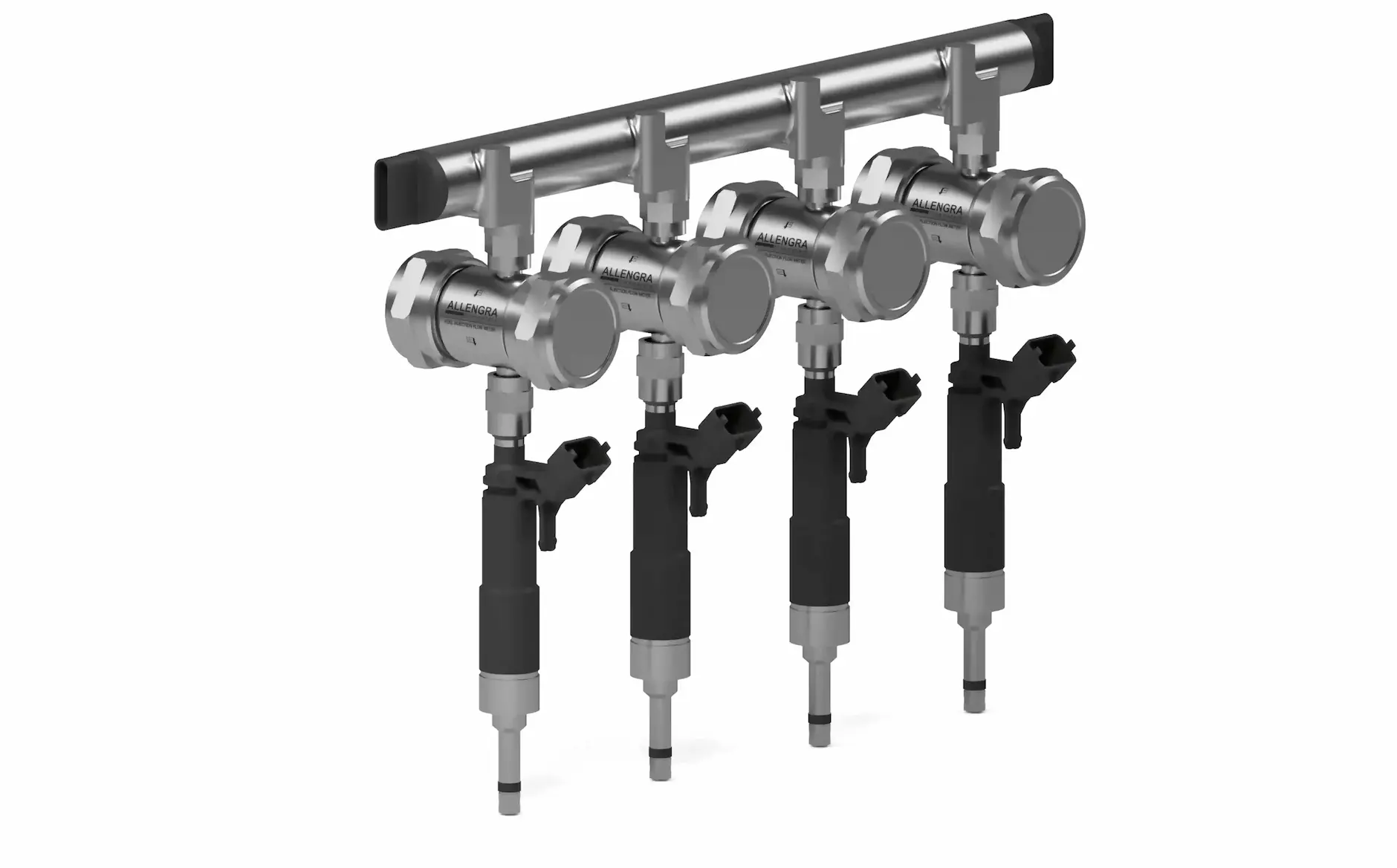
Real-Time Fuel Injector Visualization and Correction Kit
Allengra’s fuel flow meters are used primarily in the following fields:
- Motorsport: FIA Formula One Championship, FIA World Endurance Championship, FIM World Superbike Championship, and others
- Research & development: ICE development, University research studies, Injection monitoring, test/prototype vehicles, E-Fuels evaluations
- WLTP: Precise determination of the real driving emission (RDE)
- Others: Heavy-duty vehicles, trucks, drones